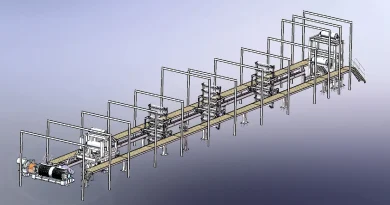
Essential Casting Equipment Used to Improve Metal Manufacturing Quality and Production Efficiency
Metal casting is an important manufacturing process used to produce components for automotive, aerospace, construction, machinery, and other industrial applications. By pouring molten metal into a prepared mould and allowing it to solidify, manufacturers can create parts with a wide range of shapes, dimensions, and functional features. However, achieving consistent results requires more than simply melting and pouring metal. Every stage of production depends on suitable machinery, tools, and process controls.
Modern Casting Equipment helps manufacturers manage metal melting, mould preparation, pouring, cooling, cleaning, and inspection. The right equipment can improve production consistency, reduce material waste, support workplace safety, and help maintain the required component specifications. Understanding the main types of casting equipment and their functions makes it easier to select suitable solutions for different foundry operations.
What Is Casting Equipment?
Casting equipment refers to the machines, tools, and supporting systems used throughout the metal casting process. These systems help transform raw metal into finished or semi-finished components through controlled melting, moulding, pouring, solidification, and finishing operations.
Equipment requirements vary according to the casting method, metal type, component size, production volume, and quality standards.
Common foundry equipment includes:
- Melting furnaces
- Crucibles and metal handling tools
- Moulding machines
- Sand preparation systems
- Core-making equipment
- Pouring systems
- Cooling and shakeout equipment
- Fettling and finishing machines
- Heat treatment furnaces
- Inspection and testing instruments
Each category performs a specific function, and the equipment must work together to maintain a stable production process.
Essential Types of Equipment Used in Metal Casting
Different stages of casting require specialized tools and machines. The following equipment categories are commonly found in metal manufacturing facilities.
1. Metal Melting Furnaces
Melting furnaces are among the most important pieces of equipment in a foundry. They heat metal to the temperature required for pouring into a mould.
Different furnace designs are used depending on the metal, production capacity, energy source, and operating requirements.
Common types include:
- Induction furnaces: Use electromagnetic induction to generate heat within the metal.
- Gas-fired furnaces: Use combustion to heat metal inside a furnace chamber.
- Electric resistance furnaces: Generate heat through electrical resistance elements.
- Crucible furnaces: Melt metal inside a heat-resistant container called a crucible.
The correct furnace helps maintain suitable melting conditions and supports consistent metal quality.
2. Crucibles and Metal Handling Equipment
Crucibles hold molten metal during melting and transfer operations. They are manufactured from heat-resistant materials selected according to the metal being processed and the operating temperature.
Metal handling equipment may include:
- Pouring ladles
- Crucible tongs
- Ladle transfer systems
- Lifting devices
- Molten metal transport tools
These tools allow foundry personnel to move molten metal between furnaces and moulds while following appropriate safety procedures.
3. Moulding Machines
Moulding equipment is used to prepare mould cavities that determine the external shape of cast components.
In sand casting, moulding machines compact prepared sand around patterns to create mould sections.
Common moulding systems include:
- Manual moulding equipment
- Squeeze moulding machines
- Jolt-squeeze moulding systems
- Automated moulding lines
The appropriate machine depends on mould size, production requirements, component complexity, and desired consistency.
4. Sand Preparation Equipment
Sand casting depends on moulding sand with suitable strength, permeability, and workability.
Sand preparation systems help maintain the required properties by mixing, conditioning, and reclaiming foundry sand.
Typical equipment includes:
- Sand mixers
- Sand mulling machines
- Screening systems
- Sand reclamation units
- Moisture control equipment
- Sand storage and conveying systems
Consistent sand preparation helps reduce mould-related defects and improve casting repeatability.
5. Core-Making Equipment
Some cast components contain internal passages, cavities, or hollow sections that cannot be formed by the main mould cavity alone.
Core-making equipment produces separate cores that are placed inside the mould before pouring.
Core production may involve:
- Core shooters
- Core boxes
- Sand mixing systems
- Core curing ovens
- Core coating equipment
Accurate core production and positioning are important for maintaining internal dimensions and preventing defects.
6. Metal Pouring Systems
Pouring equipment transfers molten metal from a furnace or holding vessel into the mould.
Depending on the foundry setup, pouring may be performed manually, mechanically, or through automated systems.
Common options include:
- Manual pouring ladles
- Mechanical pouring machines
- Automatic pouring systems
- Controlled tilting ladles
- Metered metal delivery equipment
Controlled pouring helps maintain consistent mould filling and can reduce turbulence, spillage, and other process-related problems.
7. Cooling and Solidification Systems
After molten metal enters the mould, it must cool and solidify under suitable conditions.
Cooling equipment and process controls help manage heat removal and support consistent casting quality.
Depending on the process, foundries may use:
- Cooling conveyors
- Controlled cooling stations
- Cooling chambers
- Temperature monitoring systems
- Mould handling equipment
Cooling requirements vary by alloy, component geometry, mould material, and production method.
8. Shakeout Equipment
Shakeout machines separate solidified castings from the mould material.
In sand casting, vibration or mechanical movement breaks apart the mould and releases the casting.
Common shakeout systems include vibrating shakeout machines, rotary shakeout equipment, and automated casting separation systems.
These machines can improve handling efficiency and support the recovery of reusable sand.
9. Fettling and Finishing Equipment
After mould removal, cast components often contain excess material around gates, risers, and parting lines.
Fettling equipment removes these unwanted sections and prepares components for further processing.
Common finishing tools include:
- Grinding machines
- Cut-off saws
- Shot blasting machines
- Deburring tools
- Surface cleaning systems
- Polishing equipment
Finishing requirements depend on the component’s design, surface specifications, and intended application.
10. Heat Treatment Equipment
Some cast metal components undergo heat treatment to modify their mechanical properties.
Heat treatment furnaces provide controlled heating and, where required, cooling conditions.
Depending on the alloy and specification, processes may include solution treatment, ageing, stress relief, or other thermal cycles.
Not every casting requires heat treatment. The appropriate process must be determined by the material and component requirements.
How Casting Equipment Improves Manufacturing Quality
Equipment selection and process control have a direct influence on the consistency and performance of cast components.
1. Maintains Consistent Melting Conditions
Suitable melting equipment helps maintain the temperature and composition required for a particular alloy.
Stable melting conditions support predictable pouring behavior and help reduce the risk of defects associated with poor metal handling.
2. Improves Mould Accuracy
Modern moulding machines can provide more consistent sand compaction and mould dimensions.
This helps reduce variation between moulds and supports better dimensional repeatability in finished castings.
3. Supports Better Metal Flow
Appropriate pouring systems help control the speed and direction of molten metal entering the mould.
A well-designed pouring process can reduce turbulence and improve mould filling, although gating design and metal properties also play important roles.
4. Reduces Mould-Related Defects
Sand preparation and core-making equipment help maintain consistent mould and core properties.
This can reduce the risk of defects caused by weak moulds, poor permeability, inaccurate cores, or inconsistent mould preparation.
5. Improves Surface Quality
Finishing and cleaning equipment removes excess material, sand residues, and surface imperfections.
Suitable finishing operations help prepare castings for machining, coating, assembly, or final inspection.
6. Supports Reliable Inspection
Measurement instruments and testing equipment allow foundries to verify whether cast components meet specified requirements.
Inspection can identify dimensional variation, surface defects, and certain internal discontinuities before parts move to later production stages.
The Role of Casting Equipment in Production Efficiency
Besides improving component quality, suitable equipment can help foundries increase productivity and manage operating costs.
Reduced Manual Handling
Mechanized moulding, pouring, and material transfer systems can reduce repetitive manual work.
This can improve workflow consistency and help limit unnecessary handling of heavy or hot materials.
Faster Production Cycles
Automated moulding lines and coordinated material handling systems can reduce delays between production stages.
The actual improvement depends on equipment capacity, process layout, maintenance, and production planning.
Better Material Utilization
Accurate pouring and effective process control can help reduce metal losses caused by spills, rejected castings, and avoidable defects.
Sand reclamation systems can also recover suitable foundry sand for reuse, subject to material condition and process requirements.
Reduced Rework and Rejection
Consistent mould preparation, melting conditions, and finishing operations can help reduce the number of components that require repair or rejection.
This improves production efficiency by limiting unnecessary material, labor, and energy consumption.
Improved Workplace Organization
Conveyors, lifting devices, and automated handling equipment can help organize material movement across the foundry.
A well-planned layout can reduce unnecessary movement and support safer production workflows.
Casting Equipment Used in Different Casting Processes
Not all casting methods require the same machinery. Equipment selection depends on the manufacturing technique.
Sand Casting Equipment
Sand casting uses expendable sand moulds to form metal components.
Typical equipment includes sand mixers, moulding machines, core shooters, melting furnaces, pouring ladles, shakeout systems, and finishing machines.
It is suitable for a wide range of component sizes and custom geometries.
Die Casting Equipment
Die casting uses reusable metal dies to produce components, commonly from non-ferrous alloys such as aluminum, zinc, and magnesium.
Important equipment includes:
- Hot-chamber or cold-chamber die casting machines
- Metal melting and holding furnaces
- Die temperature control systems
- Die spraying and lubrication equipment
- Trimming presses
- Casting extraction systems
Pressure die casting is often selected for higher-volume production of components with detailed geometries and consistent dimensions.
Gravity Die Casting Equipment
Gravity die casting uses gravity to fill a reusable metal mould.
The equipment may include metal dies, melting furnaces, pouring ladles, mould preheating systems, and casting extraction tools.
This process is used for selected aluminum and other non-ferrous alloy components.
Investment Casting Equipment
Investment casting uses expendable patterns and ceramic moulds.
Its equipment requirements may include:
- Wax injection machines
- Pattern assembly tools
- Ceramic shell coating systems
- Drying and curing stations
- Dewaxing equipment
- Shell firing furnaces
- Metal melting and pouring systems
The method is suitable for components with intricate geometries and detailed features.
Factors to Consider When Selecting Casting Equipment
Choosing suitable foundry machinery requires a clear understanding of production needs and component specifications.
Type of Metal
Different metals have different melting temperatures, chemical characteristics, and handling requirements.
Equipment must be compatible with the alloy being processed and the temperatures involved.
Production Capacity
Foundries should consider the required output per shift, expected production volume, and future expansion plans.
Equipment capacity should match the overall production system rather than creating bottlenecks at individual stages.
Component Size and Geometry
Large castings may require different furnaces, moulding equipment, and material handling systems compared with smaller precision components.
Complex internal features may also require specialized core-making capabilities.
Automation Requirements
Automation can improve consistency and productivity in suitable applications.
However, the investment should be evaluated against production volume, labor requirements, maintenance needs, and expected operating savings.
Energy Efficiency
Furnaces and other high-energy equipment can significantly influence foundry operating costs.
Energy consumption, insulation, heating efficiency, and process scheduling should be considered during equipment selection.
Maintenance and Spare Parts
Reliable equipment requires regular inspection and maintenance.
Manufacturers should evaluate spare part availability, service support, equipment durability, and the complexity of routine maintenance.
Safety Features
Foundry operations involve molten metal, high temperatures, dust, moving machinery, and heavy materials.
Equipment should include suitable guards, emergency controls, temperature monitoring, and other safety features appropriate to its application.
Common Challenges in Casting Equipment Operation
Even well-designed machinery requires proper operation and maintenance. Several issues can affect foundry performance.
Temperature fluctuations: Unstable furnace conditions can affect metal quality and pouring consistency. Regular calibration and process monitoring help manage this risk.
Equipment wear: Repeated exposure to heat, vibration, and abrasive materials can damage components. Preventive maintenance helps identify wear before it causes production interruptions.
Moulding inconsistencies: Incorrect sand preparation or machine settings can produce weak or inaccurate moulds. Monitoring sand properties and maintaining moulding equipment are important.
Pouring irregularities: Inconsistent pouring speed or temperature can contribute to incomplete filling, turbulence, and other casting defects.
Dust and material buildup: Sand, metal residues, and finishing debris can affect equipment operation. Appropriate cleaning and extraction systems help maintain a suitable working environment.
Unplanned downtime: Equipment breakdowns can interrupt production and delay delivery. Maintenance planning, spare parts management, and operator training can reduce disruption.
Safety Considerations When Using Casting Equipment
Foundry safety must be a priority because casting operations involve significant thermal and mechanical hazards.
- Use suitable protective clothing, gloves, footwear, and face protection.
- Keep molten metal handling areas clear and properly organized.
- Inspect ladles, crucibles, lifting devices, and pouring systems before use.
- Ensure moulds and tools are appropriately prepared and dry where required.
- Install suitable ventilation and dust extraction systems.
- Use guards and emergency stops on moving machinery.
- Train operators in equipment-specific procedures.
- Follow established procedures for handling molten metal and managing spills.
Equipment should be operated according to manufacturer instructions and applicable workplace safety requirements.
How Modern Technology Is Improving Foundry Equipment
Technological developments are helping foundries improve process monitoring, automation, and production management.
Automated Production Lines
Automated moulding and pouring systems can coordinate multiple production stages, reducing repetitive tasks and improving process consistency.
Digital Temperature Monitoring
Sensors and monitoring systems can help operators track furnace and metal temperatures.
Accurate process information supports better control over melting and pouring operations.
Computer-Controlled Machines
Programmable controls allow operators to manage machine settings and repeat production sequences more consistently.
This can be especially useful in high-volume manufacturing environments.
Predictive Maintenance
Equipment monitoring can help identify unusual vibration, temperature changes, or other signs of developing mechanical problems.
When supported by suitable data and maintenance procedures, this can help reduce unexpected equipment failures.
Improved Energy Management
Modern furnace designs and control systems can help reduce unnecessary energy use by improving heating efficiency and production scheduling.
Conclusion
Casting equipment plays an essential role in modern metal manufacturing by supporting every major stage of foundry production, from melting and mould preparation to pouring, cooling, finishing, and inspection. Each type of equipment contributes to the consistency, quality, and efficiency of the final component.
Selecting suitable machinery requires consideration of the metal type, casting process, component geometry, production volume, energy use, and workplace safety. With appropriate equipment, effective maintenance, and controlled operating procedures, foundries can reduce avoidable defects, improve material utilization, and achieve more reliable production results.