Common Problems in Aluminum Coil Coating Line Production and Solutions
Aluminum coil coating is a highly controlled industrial process where precision and consistency are essential for achieving high-quality surface finishes. However, despite advanced automation and process control, production challenges can still occur. These issues may affect coating adhesion, surface appearance, and long-term durability if not properly addressed.
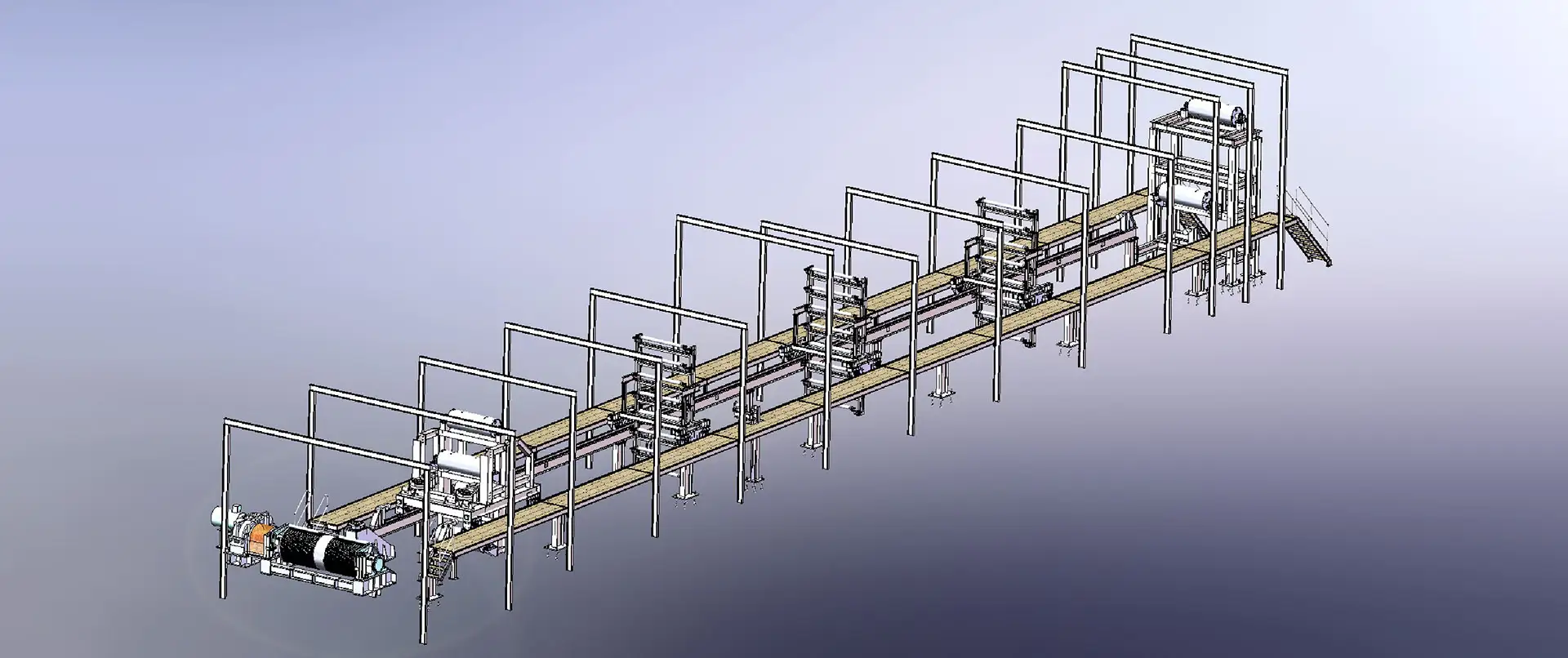
In a modern production environment, the aluminum coil coating line is designed to minimize defects through integrated monitoring and control systems. Even so, understanding common problems and their solutions is essential for maintaining stable output and reducing downtime in large-scale manufacturing.
Uneven Coating Thickness
One of the most frequent issues in coil coating production is uneven coating thickness. This problem can lead to inconsistent surface quality, reduced corrosion resistance, and visual defects such as streaking or patchiness.
Common causes include:
- Incorrect roller pressure settings
- Fluctuations in line speed
- Improper coating viscosity
- Worn or misaligned coating rollers
To resolve this issue, operators should regularly calibrate roller systems, maintain stable line speed, and ensure coating materials are properly mixed and maintained at optimal viscosity levels.
Poor Adhesion Between Coating and Substrate
Adhesion failure is a serious defect that can result in peeling, blistering, or flaking of the coating layer. This problem often originates during surface preparation or pretreatment stages.
Typical causes include:
- Incomplete degreasing of aluminum surface
- Weak or inconsistent conversion coating
- Contamination from dust, oil, or moisture
- Insufficient curing temperature
Solutions involve improving cleaning efficiency, maintaining strict pretreatment chemical control, and ensuring proper curing conditions in the oven. Regular surface inspection before coating application also helps prevent adhesion issues.
Surface Defects and Contamination
Surface imperfections such as dust particles, scratches, or oil spots can significantly affect the final product appearance. These defects often become more visible after coating is applied.
Main causes include:
- Poor environmental cleanliness in production area
- Inadequate filtration systems
- Handling damage during coil movement
- Contaminated pretreatment solutions
To address these issues, manufacturers should implement clean production environments, improve filtration systems, and ensure proper handling procedures throughout the production line.
Color Inconsistency and Shade Variation
Color variation across coated aluminum coils is another common challenge, especially in large production batches. This issue can affect product aesthetics and customer acceptance.
Key causes include:
- Inconsistent coating formulation mixing
- Temperature fluctuations during curing
- Variations in coating thickness
- Differences in batch raw materials
Solutions involve strict control of mixing ratios, maintaining stable curing oven temperatures, and using automated dosing systems to ensure uniform application.
Overcuring or Undercuring of Coatings
Curing plays a critical role in determining coating hardness and durability. Improper curing can weaken coating performance and reduce lifespan.
Problems may include:
- Overcuring leading to brittleness and discoloration
- Undercuring causing soft, weak coatings
- Uneven heat distribution in curing ovens
To solve these issues, operators should use multi-zone temperature control systems, regularly calibrate oven sensors, and monitor curing profiles for different coating materials.
Edge Cracking During Forming
Aluminum coils are often bent or shaped after coating, and edge cracking can occur if the coating lacks flexibility.
Common causes include:
- Excessively thick coating layers
- Incompatible coating formulation
- Poor adhesion at edges
- Over-baking during curing
Solutions include adjusting coating thickness, selecting flexible coating materials such as modified polyester or polyurethane, and optimizing curing conditions to preserve elasticity.
Roller Marking and Surface Lines
Roller marks appear as visible lines or patterns on the coated surface, reducing aesthetic quality and product value.
Causes include:
- Worn or dirty rollers
- Incorrect roller alignment
- Excessive pressure during application
- Contaminated coating material
Regular roller maintenance, cleaning schedules, and proper alignment checks help eliminate this issue. Using high-quality roller materials also improves surface smoothness.
Blistering and Bubble Formation
Blistering occurs when air or moisture becomes trapped beneath the coating layer, forming bubbles that weaken surface integrity.
Main causes include:
- Moisture on aluminum surface before coating
- Rapid heating during curing
- Poor ventilation in pretreatment stage
- Contaminated substrate surface
Preventive measures include ensuring complete drying before coating, controlling oven heating rates, and maintaining clean, moisture-free processing conditions.
Equipment Wear and Process Instability
Over time, mechanical components in a coil coating line may wear out, affecting process stability and product quality.
Common issues include:
- Worn rollers affecting coating uniformity
- Pump inefficiencies in chemical systems
- Conveyor misalignment
- Sensor calibration drift
Regular preventive maintenance schedules and real-time monitoring systems help reduce equipment-related failures and maintain consistent production quality.
Conclusion
Production challenges in aluminum coil coating are often linked to surface preparation, process control, equipment condition, and environmental factors. While these issues can impact product quality, most of them can be effectively managed through proper maintenance, automation, and process optimization.
A modern aluminum coil coating line is equipped with advanced control systems designed to minimize defects and ensure stable output. By understanding common problems and applying targeted solutions, manufacturers can significantly improve efficiency, reduce waste, and maintain high-quality coated aluminum products across all production batches.