
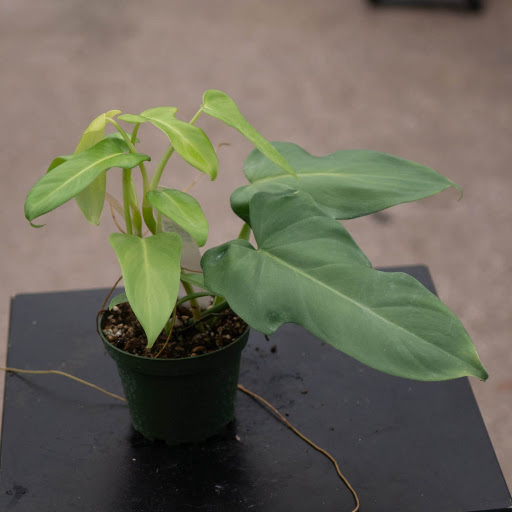
What to Look for When Buying Philodendron Tissue Culture for Sale
Philodendrons are popular tropical foliage plants among collectors, garden centers, and commercial nurseries. Their diverse leaf shapes, attractive colors, and different growth habits make them valuable additions to indoor plant collections and wholesale product ranges. As interest in these plants grows, tissue culture has become an increasingly useful propagation method for supplying selected varieties in larger quantities.
When searching for Philodendron Tissue Culture for Sale, buyers should look beyond price and variety availability. Plant health, cultivar authenticity, propagation quality, acclimatization requirements, and supplier reliability all influence the success of a purchase. Understanding these factors can help collectors and commercial growers choose suitable plants and avoid unnecessary losses.
1. Confirm the Philodendron Variety
The first step is to identify exactly which Philodendron variety you intend to purchase. The genus includes many species and cultivars, ranging from familiar green foliage plants to distinctive collector varieties with unusual textures and variegation.
Popular options include:
- Philodendron Pink Princess: Recognized for its pink and green variegated foliage.
- Philodendron Birkin: Known for dark green leaves with pale pinstripes.
- Philodendron gloriosum: Appreciated for large, velvety, heart-shaped leaves.
- Philodendron melanochrysum: Valued for elongated leaves with a velvety surface.
- Philodendron micans: Popular for soft foliage with subtle bronze and green tones.
- Philodendron hederaceum: A versatile trailing variety with heart-shaped leaves.
Before ordering, confirm the scientific or accepted commercial name, cultivar identity, and expected characteristics. This is particularly important when buying premium or variegated varieties, as similar-looking plants may have different identities.
2. Evaluate Plantlet Health and Appearance
Healthy plantlets provide a stronger starting point for successful acclimatization and further cultivation. Although tissue culture plants are generally young when supplied, their condition should still meet reasonable quality expectations.
When reviewing product photographs or samples, look for:
- Firm, undamaged leaves.
- Healthy-looking stems and growing points.
- Visible root development where applicable.
- No obvious signs of decay or contamination.
- Consistent development within the same batch.
Avoid purchasing plants with widespread yellowing, damaged growing points, or signs of deteriorating tissue without first understanding the cause.
Keep in mind that photographs may show representative plants rather than the exact batch being shipped. Requesting recent images or sample information can provide a clearer picture of the product’s actual condition.
3. Understand the Stage of Tissue Culture Plants
Not all tissue culture Philodendrons are supplied in the same growth stage. Some may arrive inside sealed culture vessels, while others may already have been removed from the laboratory, rooted, or hardened off.
Understanding the supplied stage is essential because it determines how much additional care is required after delivery.
Common supply stages include:
In-vitro plantlets: These remain inside culture containers and require careful removal and acclimatization.
Ex-vitro plantlets: These have been removed from culture vessels and may be undergoing adaptation to normal growing conditions.
Hardened-off young plants: These have already adjusted to greenhouse conditions and are generally more established.
Ask the supplier which stage is available, whether roots are developed, and what procedures are recommended immediately after delivery.
4. Check the Supplier’s Propagation Standards
The quality of tissue culture plants depends partly on the laboratory procedures used during propagation. Clean working conditions, suitable culture media, and appropriate handling are important for producing healthy plantlets.
A reliable supplier should be able to explain its general propagation and quality control practices.
Consider asking about:
- Selection and condition of mother plants.
- Laboratory sanitation procedures.
- Contamination monitoring.
- Variety identification and labeling.
- Plantlet inspection before shipment.
- Procedures for handling and packaging.
Tissue culture does not automatically guarantee that every plant is free from pathogens or genetic variation. Buyers should therefore evaluate the supplier’s quality assurance practices rather than relying only on general claims.
5. Verify Variegation and Cultivar Characteristics
Variegated Philodendrons are particularly popular among collectors, but their appearance can vary between individual plants. Pink, white, cream, or other contrasting patterns may differ in distribution and intensity.
For varieties such as Pink Princess, White Knight, and White Wizard, buyers should understand the expected characteristics of the cultivar before ordering.
Ask the supplier whether the offered plants have been evaluated for cultivar identity and whether the photographs represent the actual variety being sold.
It is also important to recognize that tissue culture does not guarantee identical variegation patterns in every plant. Some characteristics can vary with genetics, propagation conditions, and subsequent growth.
6. Ask About Acclimatization Requirements
Acclimatization is one of the most important considerations when purchasing tissue culture plants. Plantlets developed in laboratory vessels may be sensitive to sudden changes in humidity, airflow, and light intensity.
If plants are not properly acclimatized after delivery, they may experience wilting, leaf damage, or slow root establishment.
Before purchasing, ask:
- Are the plantlets still in culture vessels?
- Have they been removed from the laboratory?
- Have they completed hardening off?
- What humidity conditions are recommended?
- Which growing medium is suitable?
- How should light exposure be managed initially?
Having this information in advance allows growers to prepare their propagation areas and reduce transplant stress.
7. Review Packaging and Shipping Arrangements
Transportation can affect the condition of young Philodendron plants. Poor packaging, excessive heat, cold exposure, and delays may cause damage before plants reach their destination.
This is particularly important for international buyers, who may need to account for longer shipping times and additional handling.
Before placing an order, confirm:
- How plants are packed for transportation.
- Whether culture vessels or plantlets are protected against movement.
- How temperature and moisture risks are managed.
- Which shipping services are available.
- Expected delivery times.
- What happens if plants arrive damaged.
For international shipments, also check applicable import regulations, phytosanitary requirements, and customs procedures before purchasing.
8. Compare Pricing Beyond the Initial Purchase Cost
Price is an important purchasing factor, but the cheapest product is not always the most economical choice. Buyers should consider the total cost of bringing young tissue culture plants to a healthy, saleable stage.
Additional expenses may include:
- International or domestic shipping.
- Import duties and documentation.
- Growing containers and substrate.
- Labor for removal and transplanting.
- Humidity and environmental control equipment.
- Fertilizers and irrigation.
- Losses during acclimatization.
- Time required to reach retail size.
Commercial nurseries should calculate the expected cost per established plant rather than comparing suppliers only by their quoted unit prices.
A slightly higher purchase price may be justified if the supplier offers better plant condition, reliable packaging, and clear technical guidance.
9. Check Minimum Order Quantities and Availability
Wholesale suppliers may have minimum order requirements that vary by variety, plantlet stage, and production capacity.
Before placing an order, confirm whether the required quantities are available and whether the supplier can support future purchases.
For commercial growers, it is useful to ask about:
- Minimum order quantities.
- Available varieties.
- Current production schedules.
- Estimated lead times.
- Bulk order arrangements.
- Seasonal availability.
- Repeat-order consistency.
If you are buying a variety for the first time, starting with a smaller trial quantity can help you evaluate its growing performance before increasing the order.
10. Evaluate Supplier Communication and Support
Clear communication is an important sign of a professional supplier relationship. Buyers should receive accurate information about product specifications, order status, shipping arrangements, and plant care requirements.
A dependable supplier should be willing to answer reasonable questions about the plants being offered.
Pay attention to whether the supplier:
- Provides clear product descriptions.
- Confirms variety names and growth stages.
- Responds to inquiries within a reasonable time.
- Explains packaging and shipping procedures.
- Shares relevant plant health documentation.
- Provides practical guidance when requested.
Good communication can make purchasing easier, particularly when ordering unfamiliar varieties or arranging international shipments.
11. Request Samples Before Placing Large Orders
A sample order is a practical way to evaluate product quality before committing to a large purchase. It allows buyers to inspect plant condition, assess packaging, and observe how well the plants respond to acclimatization.
During a trial order, consider recording:
- Plantlet condition upon arrival.
- Accuracy of variety identification.
- Root and foliage development.
- Acclimatization time.
- Survival and growth rates.
- Supplier communication and delivery performance.
For commercial nurseries, these observations provide useful information when comparing suppliers and planning future purchases.
12. Prepare Your Growing Environment Before Delivery
Even high-quality tissue culture plants need appropriate care after arrival. Buyers should prepare the growing environment before the shipment reaches the nursery.
A suitable acclimatization area should provide stable temperatures, controlled humidity, gentle airflow, and bright indirect light.
Growers should also prepare clean containers, a suitable well-draining growing medium, and appropriate watering equipment.
After delivery, inspect the plants and follow the supplier’s handling instructions. Avoid exposing newly received plantlets to strong direct sunlight or sudden environmental changes.
Once plants show healthy root and leaf development, humidity and ventilation can be adjusted gradually to help them adapt to normal nursery conditions.
Conclusion
Buying Philodendron tissue culture plants requires careful evaluation of variety identity, plantlet health, propagation standards, growth stage, and supplier reliability. Packaging, shipping, acclimatization requirements, and total production costs are equally important when comparing purchasing options.
For collectors, these checks help protect the quality of a growing plant collection. For commercial nurseries, they support better inventory planning and more predictable production. By requesting clear product information, evaluating samples, and preparing suitable growing conditions, buyers can make more informed decisions and establish a stronger foundation for successful Philodendron cultivation.

