China Tissue Culture Plants: A Complete Guide for International Plant Buyers
China has become an important source of horticultural products for international markets, including ornamental plants and tissue culture planting materials. With a wide range of plant varieties and established production facilities, Chinese suppliers serve buyers such as commercial nurseries, garden centers, plant retailers, landscapers, and agricultural businesses. For international buyers, sourcing plants from China can provide access to different species and cultivars in quantities suited to various business requirements.
However, importing live plants involves more than selecting attractive varieties and comparing quotations. Buyers researching China Tissue Culture Plants should understand production standards, plant growth stages, supplier capabilities, packaging, shipping, and import regulations. Careful preparation can help reduce purchasing risks and make international sourcing more efficient.
1. Understanding Tissue Culture Plant Production in China
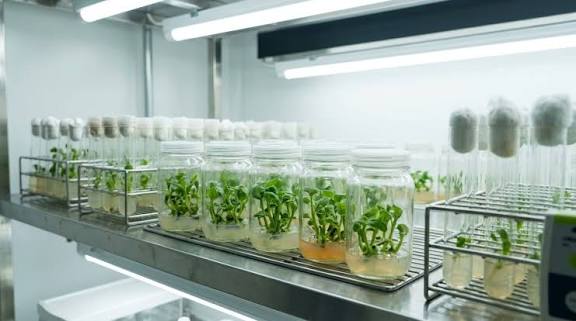
Tissue culture is a plant propagation technique in which small pieces of plant tissue are cultivated under controlled laboratory conditions. The process uses suitable nutrient media and carefully managed environments to encourage plant cells or tissues to develop into new plants.
In China, tissue culture is used for producing various ornamental and agricultural plants. Depending on the species and production process, suppliers may offer plantlets in sealed containers, rooted specimens, or acclimatized plants.
The production process generally includes several stages:
- Selection of parent material: Suitable plant material is selected for propagation.
- Culture establishment: Plant tissues are introduced into a prepared culture medium under controlled conditions.
- Multiplication: Developing shoots are multiplied to increase the number of plantlets.
- Root development: Plantlets are encouraged to develop roots where required.
- Acclimatization: Plants are gradually adjusted to conditions outside the laboratory.
- Inspection and preparation: Plants are checked, identified, and prepared for distribution.
The exact process varies according to the plant species and the supplier’s production methods.
2. Popular Types of Tissue Culture Plants Available from China
Chinese tissue culture suppliers may offer a broad selection of plants for ornamental gardening, commercial nurseries, and agricultural production.
Tropical Foliage Plants
Tropical foliage plants are popular among indoor gardeners and plant collectors because of their distinctive leaf shapes and colors. Common examples include:
- Monstera: Valued for its large leaves and characteristic splits.
- Philodendron: Available in climbing, upright, and decorative foliage varieties.
- Aglaonema: Known for green, silver, pink, and red leaf patterns.
- Syngonium: Appreciated for arrow-shaped leaves and different color combinations.
- Anthurium: Includes varieties grown for attractive foliage and ornamental flowers.
Flowering Plants
Orchid and Anthurium varieties are among the ornamental flowering plants commonly associated with tissue culture propagation. These plants appeal to retailers, collectors, and commercial growers seeking different flower forms and colors.
Ferns and Succulents
Selected fern and succulent varieties can be produced through tissue culture. They are useful for decorative collections, container gardening, and certain landscape applications.
Agricultural Plants
Tissue culture is also used to propagate selected agricultural crops, including banana and pineapple varieties. These plants may be sourced by growers looking for planting material for larger cultivation projects.
Availability varies between suppliers, so buyers should request an updated product list before preparing an order.
3. Why International Buyers Source Tissue Culture Plants from China
There are several reasons international buyers consider Chinese suppliers when sourcing tissue culture plants.
Broad Product Selection
Suppliers may provide access to different plant categories, including tropical foliage, flowering ornamentals, and selected agricultural crops. This can help buyers develop varied product collections through one sourcing channel.
Bulk Production Capabilities
Some producers operate specialized facilities designed to multiply selected varieties in larger quantities. This can be useful for commercial nurseries and plant distributors that need regular supplies.
Variety Development
The ability to propagate selected cultivars under controlled conditions can support the availability of specialty plants and ornamental varieties.
Business Sourcing Opportunities
International buyers may be able to compare different suppliers, product specifications, and order quantities to find options that fit their purchasing plans.
These advantages should always be evaluated against actual production capacity, plant quality, shipping costs, and import requirements.
4. How to Choose a Reliable Chinese Tissue Culture Supplier
Supplier selection is one of the most important parts of international plant purchasing. A supplier should be able to explain its products, production procedures, quality checks, and export arrangements.
Consider the following factors when evaluating potential suppliers:
- Production experience: Review the supplier’s experience with the plant categories you need.
- Product range: Confirm that the required species and cultivars are available.
- Quality control: Ask how plantlets are inspected and how contamination is monitored.
- Variety identification: Request accurate plant names and cultivar information.
- Communication: Evaluate how clearly the supplier answers technical and commercial questions.
- Export experience: Confirm familiarity with international plant shipments and documentation.
- Supply capacity: Check whether the supplier can handle your required quantities and delivery schedule.
Do not rely entirely on product photographs or general company descriptions. Request specific information about the batch being offered.
5. Check Plant Quality Before Placing an Order
Plant quality can influence survival, acclimatization, and subsequent growth. International buyers should therefore establish clear quality expectations before confirming a purchase.
For rooted or acclimatized plants, examine:
- Leaf color and development.
- Firmness of stems and growing points.
- Root condition and development.
- Signs of physical damage.
- Consistency with the advertised variety.
For in vitro plants, inspect the culture containers and growing medium where possible. Unusual fuzzy growth, cloudy areas, or unexpected discoloration may require further investigation.
A small plantlet is not necessarily poor quality. Its appearance should be assessed according to its species and growth stage. Buyers should request recent photographs or videos of the actual batch rather than relying only on standard catalog images.
6. Understand the Different Supply Stages
Chinese suppliers may offer tissue culture plants at different stages of development. Knowing the difference is essential when comparing quotations.
| Plant stage | Description | Main consideration |
|---|---|---|
| In vitro | Plantlets remain inside sealed culture containers | Require careful handling and transfer |
| Rooted plantlets | Plants have developed roots | Check root condition and transfer readiness |
| Acclimatized plants | Plants have adjusted to external growing conditions | Confirm how far acclimatization has progressed |
| Established plants | Plants have developed beyond the initial adjustment stage | Check size, health, and growing requirements |
The growth stage can affect the purchase price, packaging method, shipping arrangements, and amount of work required after delivery.
International buyers should ensure that the supplier’s quotation clearly identifies the stage being purchased.
7. Evaluate Pricing and Minimum Order Quantities
Pricing for tissue culture plants from China can vary according to several factors, including species, cultivar, plant stage, order volume, production difficulty, and packaging requirements.
Before comparing quotations, confirm that all suppliers are offering products with similar specifications.
Important pricing considerations include:
- Unit price and total order value.
- Minimum order quantity.
- Discounts for larger batches.
- Packaging and handling charges.
- Transportation costs.
- Export documentation fees.
- Payment terms and currency.
- Potential customs and inspection expenses.
A lower unit price may not provide the best overall value if transportation, packaging, or acclimatization costs are significantly higher. International buyers should calculate the expected landed cost before making a purchasing decision.
8. Packaging Requirements for International Plant Shipments
Live plants require suitable packaging to reduce damage during transportation. The packaging method should reflect the plant’s growth stage, species, and shipping duration.
In vitro plantlets are commonly transported in sealed culture containers. These containers should be protected against breakage, leakage, and excessive movement.
Rooted and acclimatized plants may require different packaging arrangements to protect leaves and roots while managing moisture during transit.
Before placing an order, ask the supplier about:
- Container materials and sealing methods.
- Protection against impact during handling.
- Moisture management.
- Temperature considerations.
- Labeling and batch identification.
- Inspection procedures before dispatch.
Buyers should also confirm whether the proposed packaging method meets the requirements of the destination country’s plant inspection authorities.
9. Understand Import Regulations and Plant Health Documentation
Importing tissue culture plants is subject to the laws and plant health requirements of the destination country. These rules can differ depending on the plant species, country of origin, and form in which the plants are shipped.
International buyers should investigate the applicable requirements before paying for an order.
Common documentation or regulatory requirements may include:
- Phytosanitary certificates.
- Import permits, where required.
- Plant species and quantity declarations.
- Country-of-origin information.
- Customs documentation.
- Additional inspection or treatment requirements.
Some countries restrict particular species or require additional measures for certain plant materials. In vitro plants may also be subject to specific conditions.
Buyers should consult their national plant protection organization or relevant agricultural authority to confirm the rules. They should not assume that a supplier’s previous export experience automatically means the same shipment will be accepted in every destination country.
10. Plan Shipping Time and Delivery Arrangements
Shipping time can influence plant condition, especially when orders travel across international borders. Delays may occur because of transportation schedules, customs processing, or plant health inspections.
Before confirming the order, discuss:
- The proposed shipping method.
- Estimated dispatch and arrival dates.
- Handling arrangements during transit.
- Tracking availability.
- Customs clearance responsibilities.
- Procedures for reporting damaged or delayed shipments.
Air transportation may be suitable for certain live plant shipments because it can reduce transit time, but the best option depends on the plant type, destination, cost, and applicable shipping rules.
It is also important to clarify who is responsible for arranging import permits, customs clearance, and any required inspections.
11. Prepare for Acclimatization After Arrival
Tissue culture plants may be accustomed to controlled laboratory conditions. When they arrive at their destination, they may need gradual adjustment to normal humidity, light, temperature, and airflow.
This adjustment process is known as acclimatization or hardening off.
For in vitro plantlets, the process may involve:
- Carefully removing plants from culture containers.
- Cleaning residual culture medium from roots when appropriate.
- Transferring plantlets into suitable growing media.
- Maintaining relatively high humidity during early adjustment.
- Providing gentle light and stable temperatures.
- Gradually increasing ventilation and reducing humidity.
The exact procedure depends on the species and plant stage. Buyers should request variety-specific instructions from the supplier and prepare suitable growing facilities before shipment arrives.
12. Start with a Trial Order When Possible
Ordering a large quantity from an unfamiliar supplier can create unnecessary risks. A smaller trial order allows buyers to evaluate the supplier’s products and service before making a larger commitment.
During a trial shipment, assess:
- Whether the plants match the agreed specifications.
- The condition of plantlets upon arrival.
- Packaging quality.
- Accuracy of variety labeling.
- Shipping and documentation arrangements.
- Plant response during acclimatization.
- Supplier communication and after-sales support.
Commercial nurseries can use this information to determine whether a supplier is suitable for repeat orders.
13. Common Mistakes International Buyers Should Avoid
International plant sourcing involves several steps, and overlooking one detail can cause delays or unexpected costs.
Common mistakes include:
- Ordering without confirming import regulations.
- Choosing suppliers based only on the lowest price.
- Failing to identify the exact plant variety.
- Confusing in vitro plants with acclimatized specimens.
- Ignoring minimum order quantities.
- Overlooking packaging and transportation conditions.
- Failing to prepare suitable growing facilities.
- Placing a large order without checking supplier reliability.
A written purchase agreement and clear product specifications can help prevent misunderstandings.
14. Build a Long-Term Relationship with a Suitable Supplier
For nurseries and distributors, reliable sourcing is often an ongoing requirement rather than a one-time purchase. Building a long-term relationship with a suitable supplier can make it easier to coordinate repeat orders, discuss new varieties, and plan inventory.
Buyers can evaluate sourcing options from Young Plants while reviewing available varieties and product information. Before entering a regular purchasing arrangement, confirm production capacity, quality standards, communication procedures, and export support.
Maintaining clear records of previous orders, plant performance, and delivery results can also help buyers make better decisions when planning future purchases.
Conclusion
China offers international plant buyers opportunities to source a wide range of tissue culture varieties for ornamental gardening, commercial nurseries, and agricultural production. However, successful importing requires careful attention to supplier selection, plant quality, growth stages, pricing, packaging, shipping, and destination-country regulations.
By requesting accurate product specifications, evaluating trial orders, preparing suitable acclimatization facilities, and confirming import requirements in advance, buyers can reduce sourcing risks and establish a more reliable purchasing process. A well-planned approach helps international growers make the most of tissue culture propagation while supporting healthy plant development after delivery.