
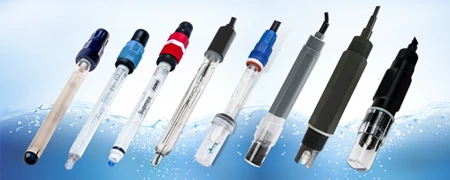
The Role of a pH Sensor for Water in Aquatic Life Protection
Maintaining healthy aquatic ecosystems is critical for environmental sustainability, biodiversity, and the well-being of human communities that rely on water resources. One of the key factors influencing aquatic health is water pH, which determines how acidic or alkaline a body of water is. Monitoring and controlling pH levels is essential to protect fish, plants, and other aquatic organisms from harmful environmental changes. To achieve this, a reliable pH sensor is a vital tool for both researchers and environmental managers.
Many water management facilities and research teams utilize a pH Sensor for Water to continuously monitor acidity levels in rivers, lakes, and aquaculture systems. These sensors provide accurate readings in real time, enabling immediate intervention if pH levels move outside safe ranges. By integrating such sensors into water monitoring programs, organizations can prevent ecological damage and support the long-term sustainability of aquatic habitats.
Understanding pH and Its Impact on Aquatic Life
The pH of water influences chemical processes, nutrient availability, and the survival of aquatic organisms. Fish, amphibians, and invertebrates are sensitive to pH changes; waters that are too acidic or too alkaline can cause stress, reduce reproductive success, or even lead to mortality. Plant growth and microbial activity are also affected, potentially disrupting the entire ecosystem.
Natural factors, such as rainfall, mineral content, and organic decomposition, can shift pH levels. Human activities, including industrial discharge, agricultural runoff, and urban pollution, can further exacerbate these changes. Accurate monitoring is necessary to detect and correct imbalances before they cause irreversible harm.
How a pH Sensor Protects Aquatic Ecosystems
A pH sensor measures the concentration of hydrogen ions in water, providing a direct indicator of acidity or alkalinity. Modern sensors are highly sensitive and capable of delivering continuous data, which is essential for managing dynamic aquatic environments. By alerting operators to abnormal pH levels, these sensors allow for timely corrective measures, such as adjusting chemical treatments or controlling pollutant sources.
In aquaculture settings, maintaining optimal pH ensures healthy fish growth and prevents stress-related diseases. For environmental monitoring, consistent pH readings help scientists assess water quality trends and determine the effectiveness of conservation measures. Sensors with automatic temperature compensation further enhance reliability, as temperature fluctuations can otherwise influence pH readings.
Applications in Environmental Management
The use of pH sensors extends across a variety of environmental protection initiatives:
-
Rivers and lakes monitoring: Ensures safe conditions for native species and recreational activities.
-
Wastewater discharge control: Helps prevent harmful acidity or alkalinity from affecting downstream ecosystems.
-
Aquaculture systems: Maintains stable water conditions for fish and plant cultivation.
-
Wetlands preservation: Supports the delicate balance required for diverse flora and fauna.
-
Environmental research: Provides data for modeling, analysis, and ecological studies.
Each application benefits from precise and continuous monitoring, which allows for rapid response to changing conditions and reduces the risk of long-term ecological damage.
Advantages of Using High-Quality pH Sensors
High-quality pH sensors offer several advantages for aquatic life protection:
-
Accuracy: Ensures that readings reflect true water conditions.
-
Real-time data: Allows for immediate action when pH levels fluctuate.
-
Durability: Performs reliably in a variety of water environments, including freshwater and brackish systems.
-
Low maintenance: Reduces downtime and ensures consistent monitoring over long periods.
These benefits make high-quality sensors an indispensable tool for environmental managers and researchers focused on ecosystem preservation.
Ensuring Long-Term Reliability
To maintain consistent performance, pH sensors must be regularly calibrated and properly maintained. Calibration with standard buffer solutions corrects any drift in readings over time, while cleaning and proper storage prevent contamination from interfering with accuracy. Routine maintenance ensures that sensors remain dependable for long-term monitoring programs, which is essential for tracking environmental trends and safeguarding aquatic life.
Supporting Sustainable Water Practices
In addition to immediate monitoring, pH sensors contribute to sustainable water management by providing actionable data. This information helps policymakers, conservationists, and industry operators make informed decisions about water use, pollution control, and habitat restoration. By understanding pH trends, stakeholders can implement strategies that protect aquatic ecosystems while balancing human and industrial needs.
Conclusion
Protecting aquatic life requires vigilant monitoring of water quality, with pH being a critical parameter. A reliable pH sensor plays a central role in detecting and managing changes in acidity or alkalinity, enabling timely intervention to prevent ecological harm. By providing accurate, real-time data, these sensors support environmental conservation, aquaculture management, and sustainable water practices, ensuring that aquatic ecosystems remain healthy and resilient for future generations.


