
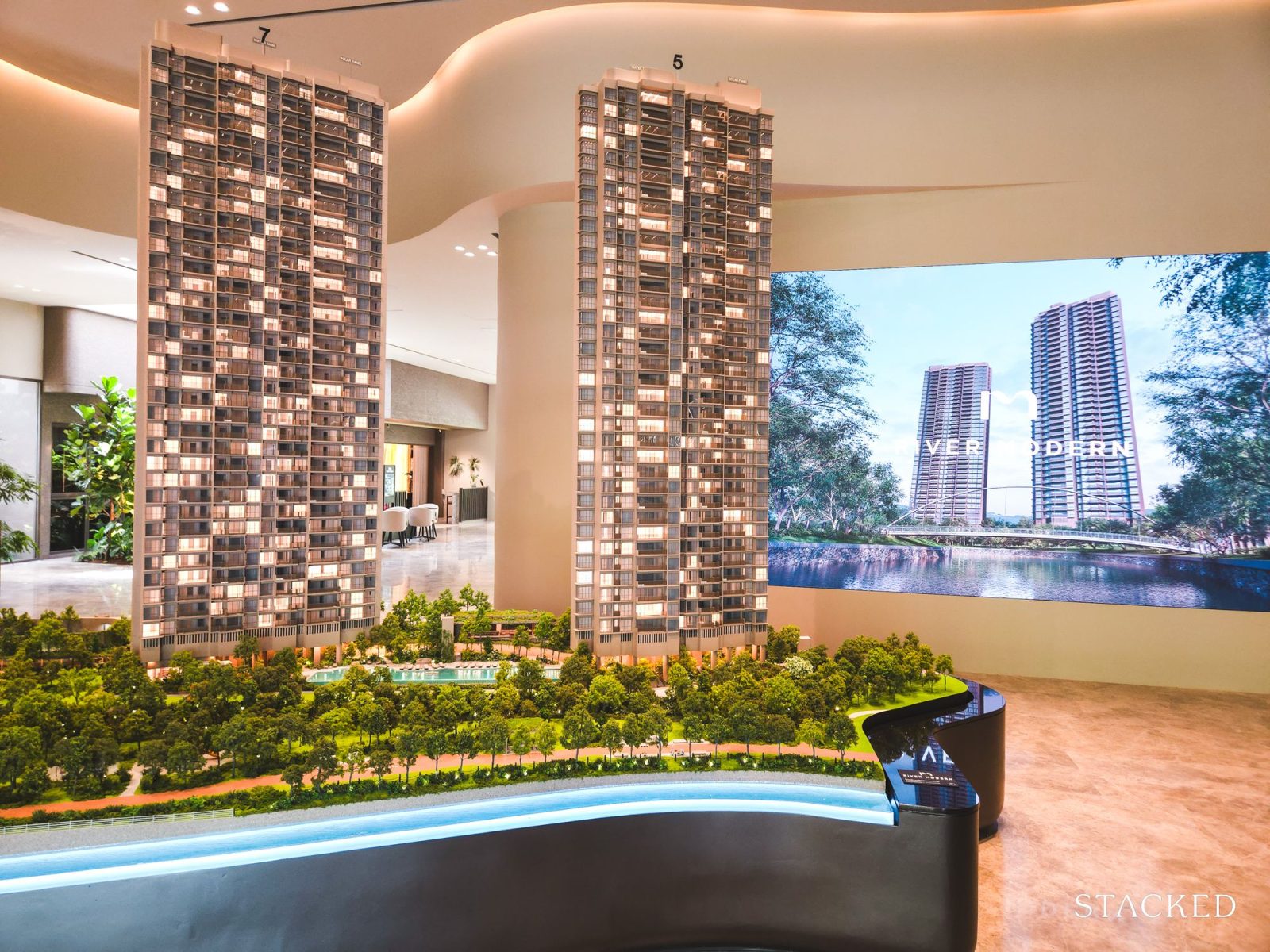
River Opus Residential Guide: Understanding Amenities and Everyday Convenience
Choosing a home involves more than comparing floor areas and interior finishes. Residential amenities, neighborhood accessibility, and the availability of everyday services all influence how comfortably people can manage their routines. In Singapore, where many residents balance work, family commitments, and leisure activities, these practical considerations can play an important role in selecting a suitable property.
For prospective homeowners exploring contemporary residential developments, River Opus offers a starting point for researching project information and evaluating relevant residential features. Understanding how amenities and location contribute to everyday convenience can help buyers compare properties according to their priorities rather than relying on appearance alone.
Why Residential Amenities Matter
Residential amenities are designed to support activities that residents would otherwise need to access elsewhere. Depending on the development, shared facilities may include fitness areas, swimming pools, landscaped gardens, communal lounges, and spaces for gatherings.
These facilities can make certain activities more convenient by keeping them close to home. Residents may find it easier to exercise regularly, enjoy outdoor surroundings, or spend leisure time without arranging additional travel.
However, the value of amenities depends on how well they serve residents. Their availability, condition, accessibility, and ongoing maintenance all influence the practical benefits they provide.
Recreational Facilities and Leisure Opportunities
Recreational amenities can contribute to a more balanced residential lifestyle. Swimming pools and fitness areas provide options for physical activity, while landscaped spaces may offer opportunities for relaxation and informal social interaction.
The usefulness of these facilities varies according to household preferences. A resident who exercises frequently may appreciate a well-equipped gym, whereas someone who values quiet outdoor surroundings may place greater importance on gardens and seating areas.
Buyers should review the confirmed facilities available at a development and consider whether they are likely to use them regularly. A carefully selected range of useful amenities can be more valuable than an extensive collection of facilities that receives little use.
Everyday Convenience Beyond the Home
Convenience also depends on what residents can access in the surrounding neighborhood. Supermarkets, pharmacies, healthcare services, restaurants, and other essential businesses can simplify daily errands and reduce the time needed to complete routine tasks.
For working professionals, convenient access to transport and dining options may make weekday schedules easier to manage. Families may prioritize educational facilities, grocery shopping, and recreational destinations that are practical to reach.
When evaluating a property, buyers should examine the actual distance to nearby services and the routes required to reach them. Walking conditions, traffic, opening hours, and public transportation connections can affect how convenient a location feels in practice.
Transport Connectivity and Commuting
Reliable transportation is an important consideration for residents who travel regularly for work, education, or personal commitments. Access to MRT stations, bus services, and major roads can help connect a residential location with employment centers and other destinations across Singapore.
Nevertheless, transport convenience should be assessed using realistic journey times rather than general descriptions. The distance to a station, the need for transfers, and the availability of alternative routes can all affect the daily commuting experience.
Prospective buyers should identify the destinations they visit most frequently and evaluate how easily they can reach them. Visiting the area during peak periods can also help reveal traffic patterns and potential commuting challenges.
Interior Features That Improve Daily Living
Amenities outside the home are only one part of residential convenience. The design of the unit itself determines how efficiently residents can use their living space.
Practical kitchens, adequate storage, comfortable bedrooms, and well-arranged living areas can simplify everyday activities. Natural lighting and effective ventilation may also contribute to a more pleasant indoor environment.
Flexible and Functional Layouts
A flexible layout can accommodate different household needs, including working from home, entertaining guests, and adapting spaces as family circumstances change.
Buyers should review official floor plans to understand room dimensions, circulation space, and storage options. A unit with a well-planned layout may be more practical than a larger property whose space is difficult to use efficiently.
Privacy and Noise Management
Privacy can influence the comfort of a residential environment. The positioning of bedrooms, proximity to lifts, neighboring units, and shared facilities may affect noise levels and personal space.
Buyers should consider these factors when comparing units and, where possible, inspect the property or review detailed plans. The surrounding environment should also be assessed for traffic noise and other potential disturbances.
Facilities for Families and Different Household Types
Residential convenience means different things to different households. Families may appreciate access to outdoor spaces, nearby schools, and practical grocery options, while professionals may prioritize commuting efficiency and fitness facilities.
Couples and smaller households might focus on efficient layouts, convenient services, and manageable maintenance costs. Older residents may place greater importance on lift access, pedestrian safety, and proximity to healthcare facilities.
This variation makes it important to assess amenities according to individual needs. Rather than assuming that every facility adds equal value, buyers should identify which features are likely to make the greatest difference to their routines.
Property Management and Facility Maintenance
The condition of shared facilities can significantly influence the residential experience. Even well-designed amenities may become less useful if maintenance is inconsistent or access arrangements are inconvenient.
Property management typically plays a role in maintaining common areas, coordinating repairs, and overseeing shared facilities. Buyers should review available information about management arrangements, maintenance charges, and the responsibilities associated with ownership.
These costs should be considered alongside the purchase price. Understanding recurring expenses helps residents assess whether the facilities offer worthwhile benefits within their overall housing budget.
How Amenities and Convenience Influence Property Appeal
Amenities and accessibility can contribute to a property’s appeal among potential buyers and tenants. A convenient location with practical facilities may attract households seeking a residential environment that supports their lifestyle.
However, amenities alone do not determine property value or investment performance. Pricing, unit size, tenure, local supply, market conditions, and financing costs remain important considerations.
Buyers should compare similar developments and assess whether the facilities and location justify the asking price. Investors should also review realistic rental evidence and account for maintenance expenses, vacancy periods, and other ownership costs before estimating potential returns.
Evaluating a Residential Development Before Buying
A structured assessment can help prospective buyers determine whether a property offers the right combination of amenities and convenience.
Consider these essential checks:
- Verify available facilities: Confirm which amenities are included and understand any access restrictions.
- Assess nearby services: Identify essential shops, healthcare facilities, schools, and recreational destinations.
- Review transport options: Check actual travel times and the convenience of public transportation.
- Examine unit layouts: Evaluate storage, natural lighting, privacy, and usable space.
- Understand recurring expenses: Review maintenance fees and other ongoing ownership costs.
- Compare market alternatives: Assess similar properties using verified specifications and recent transaction information.
For a development such as River Opus, these checks should be supported by reliable project details and independent research. This approach helps separate confirmed features from assumptions and allows buyers to make decisions based on their actual requirements.
Balancing Convenience With Long-Term Needs
A property that suits a buyer today should also be considered in the context of future circumstances. Changes in household size, employment arrangements, commuting patterns, or financial priorities may affect which amenities remain useful over time.
Adaptable interiors, access to essential services, and manageable maintenance requirements can support longer-term residential suitability. Buyers should also consider whether the location will continue to meet their needs if their daily routines change.
Thinking beyond immediate preferences encourages a more balanced assessment of residential value. The objective is not simply to find a property with many facilities, but to identify one whose features remain practical and relevant.
Conclusion
Residential amenities and everyday convenience play an important role in shaping the experience of condominium living. Recreational facilities, functional interiors, nearby services, transport connections, and effective property management can all contribute to a more comfortable home environment.
For prospective buyers in Singapore, the most useful approach is to evaluate these features according to personal needs while considering their costs and long-term practicality. By verifying project information, examining the surrounding neighborhood, and comparing suitable alternatives, buyers can make better-informed decisions about whether a residential development fits their lifestyle and budget.


