What Services Should a Professional Website Management Company Provide?
A business website requires ongoing care to remain secure, functional, and effective. Software updates, security monitoring, performance checks, backups, and technical troubleshooting all contribute to a reliable online presence. Without regular attention, even a well-designed website can develop problems that affect customer experience, search visibility, and business operations.
Hiring a professional Website Management Company can help businesses handle these responsibilities without relying entirely on internal staff. However, service offerings vary widely, so it is important to understand what a comprehensive management arrangement should include. The right provider should deliver essential maintenance, identify potential issues, communicate clearly, and offer support that matches the website’s complexity and business requirements.
1. Regular Website Maintenance and Software Updates
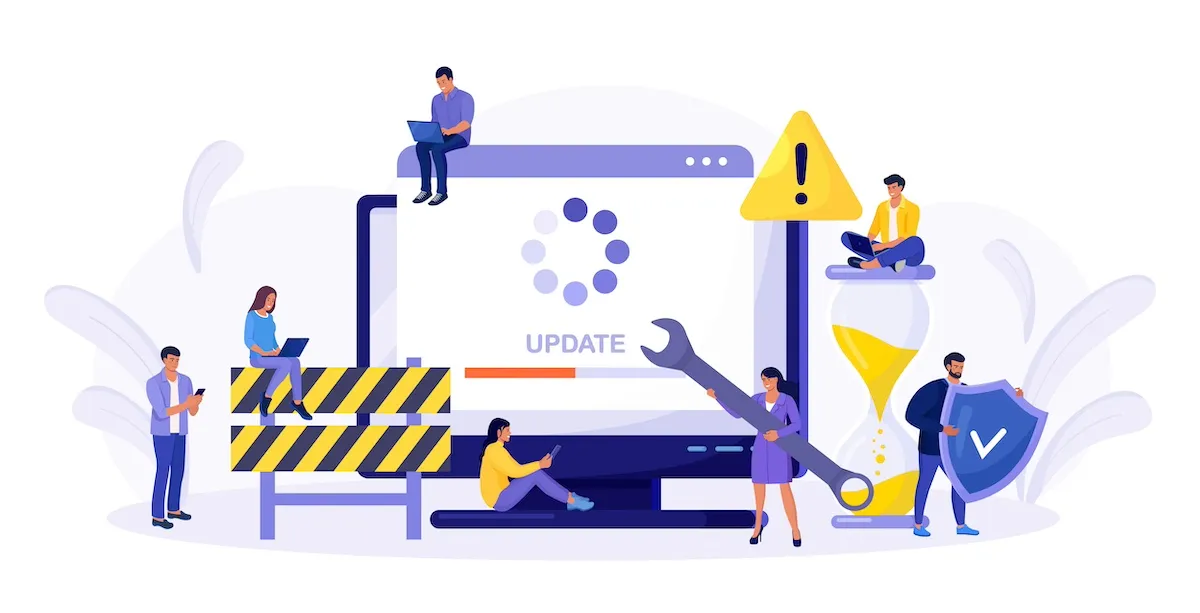
Routine maintenance is one of the most important services a professional website management company should provide. Websites rely on multiple components that need to remain compatible and up to date, including content management systems, themes, plugins, and other software integrations.
Outdated components can introduce security vulnerabilities or cause functionality problems. However, applying updates without appropriate checks can also create conflicts. A professional provider should follow a consistent process for reviewing and implementing updates safely.
What Update Management Should Include
- Reviewing and updating the website’s core software.
- Maintaining themes and plugins.
- Checking compatibility before significant updates.
- Testing important website features after changes.
- Removing unused software components when appropriate.
- Addressing errors caused by updates.
For websites with complex functionality, testing updates in a staging environment can help reduce the risk of disrupting the live site. The provider should also have a backup and recovery procedure in case an update causes an unexpected problem.
Update management should be proactive rather than limited to fixing issues after they appear. Security-related updates may require action sooner than the regular maintenance schedule, so the provider should have a process for handling urgent changes.
2. Website Backups and Recovery Support
Backups protect website data against accidental deletion, failed updates, hosting problems, and certain security incidents. A professional management service should establish a reliable backup process and verify that recovery is possible when needed.
Creating backups alone is not enough. Businesses should understand how frequently copies are created, where they are stored, and how long they remain available.
Essential Backup Services
A dependable backup arrangement should address:
- Backup frequency: The schedule should reflect how often website content and data change.
- Complete coverage: Backups should include relevant website files and databases.
- Separate storage: Copies should be stored separately from the live hosting environment where practical.
- Retention periods: The provider should explain how many recovery points are retained.
- Restoration procedures: There should be a documented method for restoring the website.
- Recovery testing: Restoration should be tested periodically to verify that backups are usable.
A simple informational website may require less frequent backups than an online store processing orders throughout the day. A professional provider should recommend a schedule based on the website’s activity and the amount of data the business can afford to lose.
The service agreement should also clarify whether restoring a website after a serious incident is included in the regular fee or billed separately.
3. Website Security Monitoring
Security is a core responsibility of website management. Websites may be exposed to vulnerable plugins, compromised passwords, malicious code, suspicious login attempts, and other threats.
A professional provider should use appropriate preventive measures and monitor the website for signs of potential problems. Although no service can guarantee complete protection, a structured security process can help reduce risks and improve incident readiness.
Security Services to Look For
A comprehensive security service may include:
- Malware and vulnerability scanning.
- Security-related software updates.
- Reviews of administrative accounts and permissions.
- Checks of security plugin configurations.
- Monitoring for suspicious activity.
- Secure handling of website credentials.
- Assistance with security incidents, as defined in the agreement.
Security management should also consider access control. Former employees, contractors, or unused accounts may retain permissions if access is not reviewed periodically.
Ask the provider how it responds when a scan identifies a problem. A service that detects threats but does not include investigation or remediation may offer less practical support than expected.
Businesses should also clarify whether extensive malware removal, forensic investigation, or post-incident recovery is included or treated as additional work.
4. Website Performance Optimization
Website speed affects how easily visitors can navigate pages and complete important actions. Slow loading, unresponsive interactions, and recurring technical errors can frustrate users and undermine confidence in a business.
A website management company should monitor performance and investigate problems when they arise. The goal is not simply to achieve a high score in a testing tool but to keep important pages responsive under realistic conditions.
Common Performance Services
Performance management may include:
- Reviewing page loading times.
- Identifying oversized or inefficient images.
- Checking caching and compression settings.
- Reviewing plugin usage and unnecessary scripts.
- Investigating database performance where relevant.
- Checking mobile usability and responsive layouts.
- Identifying broken resources and recurring errors.
The appropriate improvements depend on the website’s technology and hosting environment. For example, changing caching settings without understanding the website can disrupt shopping carts or logged-in areas.
A capable provider should explain the reasons behind recommended changes and verify that improvements do not introduce new problems.
5. Uptime Monitoring and Issue Detection
Website downtime can interrupt customer inquiries, online sales, and access to important information. Some outages are immediately visible, while others affect only certain pages or features.
Uptime monitoring helps identify when a website becomes unavailable. A professional management company should explain how monitoring works, where alerts are sent, and who is responsible for investigating incidents.
However, monitoring and resolution are different services. A provider may detect an outage without guaranteeing immediate repair.
When comparing services, ask whether the agreement covers troubleshooting, communication during incidents, and assistance coordinating with hosting providers or other technical vendors.
For business-critical websites, clearly defined escalation procedures can be particularly valuable. These procedures help ensure that serious problems receive appropriate attention instead of being handled like routine maintenance requests.
6. Website Functionality Testing
A website may appear normal while important features are no longer working correctly. Contact forms can stop delivering messages, links can lead to missing pages, and integrations may fail after software updates.
Regular functionality testing helps identify these issues before they significantly affect visitors.
A management company should prioritize the features most important to the business, which may include:
- Contact forms and inquiry submissions.
- Navigation menus and internal links.
- Login and account registration.
- Search and interactive elements.
- Booking and appointment systems.
- Shopping carts and checkout workflows.
- Newsletter subscriptions and third-party integrations.
The testing process should reflect the website’s purpose. A service business may need frequent checks of its lead-generation forms, while an online store requires careful testing of purchasing workflows.
Automated tools can identify certain errors, but manual checks may still be needed to confirm that important customer journeys work as intended.
7. Content Updates and Website Changes
Some businesses need more than technical maintenance. They may regularly update service descriptions, publish articles, replace images, revise staff information, or create new landing pages.
A professional website management company may offer content support as part of its service or through a separate arrangement. Businesses should confirm exactly what is covered.
Questions to Ask About Content Support
Find out whether the provider handles routine text changes, image replacements, new pages, formatting corrections, and other small requests. Ask whether there are limits on the number of monthly changes and how larger projects are estimated.
Content support should also preserve the website’s existing design, functionality, and accessibility where applicable. Changes to navigation, page layouts, or important calls to action should be checked before publication.
Not every management package includes content writing, search engine optimization, or major design work. Clarifying these boundaries helps prevent the assumption that all website-related tasks are included in a monthly fee.
8. Technical Troubleshooting and Error Resolution
Even well-maintained websites can experience unexpected problems. Plugin conflicts, server errors, broken integrations, and changes to third-party services can affect functionality without warning.
A professional management company should have a clear process for diagnosing and resolving technical issues. This includes identifying the cause, assessing the impact, implementing an appropriate fix, and checking that the website works correctly afterward.
The provider should also explain how support requests are prioritized. A website that is completely unavailable needs a different response from a minor visual issue on a secondary page.
When evaluating troubleshooting services, ask whether the monthly fee includes a defined amount of support time or covers only certain categories of problems. Custom development, major repairs, and complex third-party integration work may require separate estimates.
9. Mobile Responsiveness and Browser Compatibility
Visitors may access a business website using smartphones, tablets, laptops, and desktop computers. The website should remain usable across common screen sizes and supported browsers.
A management service should investigate responsive design problems when they appear, particularly after updates or changes to page layouts.
Relevant checks may include navigation behavior, form usability, image display, text readability, and the layout of important interactive elements. Businesses with booking or checkout functionality should pay particular attention to these workflows on mobile devices.
Compatibility testing does not necessarily require testing every possible device or browser combination. Instead, the provider should identify the most relevant environments based on website analytics, audience needs, and business priorities.
10. Domain, SSL, and Hosting Coordination
A website depends on more than its pages and content. Domain registration, hosting services, DNS configuration, and SSL certificates all contribute to availability and secure connections.
A professional management company should clarify which of these responsibilities it handles directly and which remain with the business or another service provider.
Depending on the agreement, assistance may include checking certificate validity, reviewing domain expiration dates, coordinating hosting changes, or investigating DNS-related problems.
Businesses should not assume that hosting or domain fees are included in a maintenance package. Some providers manage these services, while others work with the customer’s existing vendors.
Clear ownership and access arrangements are important. The business should retain control over its domain and other essential accounts, even when an external provider manages the technical work.
11. Website Analytics and Performance Reporting
Reporting gives businesses visibility into the work performed and the condition of their websites. A professional management company should provide understandable documentation of completed tasks, identified issues, and recommended next steps.
Technical maintenance reports may include:
- Updates completed during the reporting period.
- Backup status and recovery checks.
- Security findings and actions taken.
- Uptime and performance observations.
- Functionality problems identified or resolved.
- Outstanding technical concerns.
- Recommended maintenance or improvement work.
Some providers also offer website analytics reporting, such as traffic trends, user behavior, or conversion performance. These services should be distinguished from technical maintenance because analytics interpretation may require a separate scope of work.
Reports should be accurate and useful rather than filled with unexplained technical terms. Business owners should be able to understand what happened, why it matters, and whether additional action is required.
12. Technical Support and Communication
A reliable website management company should make it easy to request assistance and understand what happens after a problem is reported.
Before choosing a provider, review the available communication channels, support hours, response targets, and procedures for urgent incidents.
Ask how requests are logged, how progress is communicated, and who is responsible for coordinating with other vendors when necessary.
It is also important to distinguish response time from resolution time. A provider may acknowledge a request quickly but need additional time to investigate and fix the underlying issue.
Clear communication helps businesses plan around technical work and make informed decisions. It also creates accountability when an issue requires several steps to resolve.
13. Documentation and Website Ownership Protection
Website management should not mean giving up control over business assets. A professional provider should respect the customer’s ownership of the website, domain, content, and associated accounts.
The agreement should explain how administrative access is handled, how credentials are protected, and what happens when the relationship ends.
Important safeguards include:
- The business retains ownership of its website and domain.
- Administrative permissions are assigned appropriately.
- Credentials are stored and shared securely.
- Backups and relevant documentation remain accessible.
- Responsibilities for third-party licenses are clearly defined.
- Access can be transferred or revoked when the service ends.
Documentation is also useful when multiple people or vendors work on the website. Records of configurations, recurring issues, and maintenance procedures can make future troubleshooting more efficient.
How to Evaluate a Website Management Company’s Service Package
Not every provider offers every service listed above, and a larger package is not automatically better. The right choice depends on the website’s complexity, the business’s internal resources, and the consequences of downtime.
Before signing an agreement, compare providers using the same criteria.
| Service area | What to verify |
|---|---|
| Maintenance | Update schedule, compatibility checks, and testing process |
| Backups | Frequency, retention, storage, and restoration procedures |
| Security | Monitoring, incident response, and remediation limits |
| Performance | Monitoring frequency and scope of optimization |
| Functionality | Which forms, integrations, and workflows are tested |
| Support | Available channels, response targets, and included work |
| Reporting | Report frequency, detail, and recommendations |
| Pricing | Recurring fees, exclusions, and additional charges |
| Ownership | Access, credentials, backups, and account control |
Request a written description of the services included in the proposed package. Ask for clarification wherever terms such as security monitoring, emergency support, or performance optimization are not specific enough.
It is also worth checking references, relevant experience, and examples of similar websites the company manages. These details can help determine whether the provider’s capabilities match your requirements.
Final Thoughts
A professional website management company should provide a clear, reliable approach to maintaining the technical health of a business website. Essential services generally include software updates, backups, security monitoring, performance checks, uptime monitoring, functionality testing, and technical troubleshooting.
Depending on the website’s needs, businesses may also benefit from content updates, hosting coordination, analytics reporting, and more extensive support for complex integrations. The important consideration is whether the provider’s actual services match the website’s risks and business objectives.
Before committing, review the scope of work, support commitments, reporting practices, pricing, and ownership arrangements. Choosing a provider with clear processes and relevant expertise can help businesses maintain a more secure, functional, and dependable online presence.