
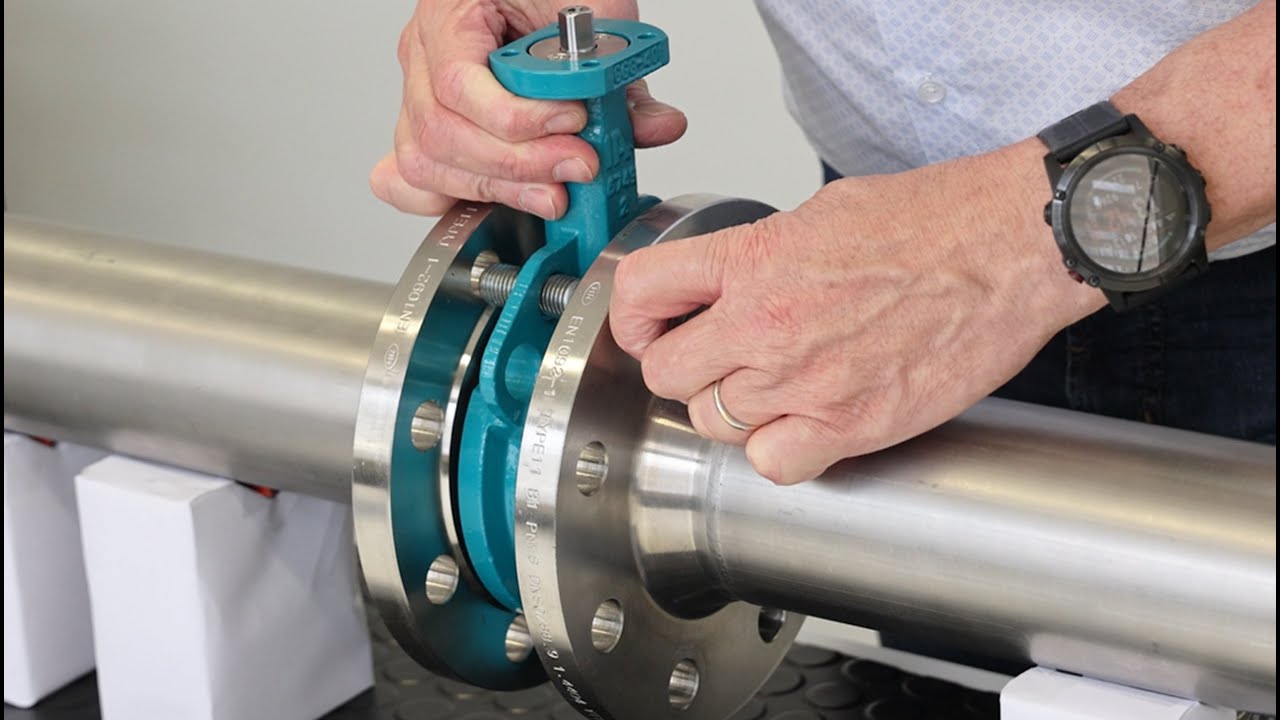
Wafer Butterfly Valve: Streamlined Flow Control for Industrial Systems
Efficient fluid control is critical in modern piping systems, whether in industrial plants, water treatment facilities, or HVAC networks. A wafer butterfly valve offers a compact, reliable, and versatile solution for regulating and isolating flow while minimizing pressure loss. Its lightweight construction and simplified design make it an ideal choice for systems where space is limited, rapid operation is necessary, and long-term durability is essential.
For professionals seeking dependable valve solutions, a wafer butterfly valve provides precise flow control, easy installation, and adaptability across a wide range of applications. From water and wastewater pipelines to chemical and HVAC systems, this valve ensures smooth operation, reduced maintenance, and cost-effectiveness.
Understanding the Wafer Butterfly Valve
A wafer butterfly valve operates by rotating a disc mounted on a central shaft to control fluid flow. The disc sits within the valve body and rotates 90 degrees: parallel to the flow when fully open, allowing minimal resistance, and perpendicular when closed, providing a secure seal.
Unlike traditional gate or globe valves, wafer butterfly valves offer faster operation, lighter weight, and reduced installation space, making them highly suitable for automated systems and environments where accessibility is limited.
Key Components
-
Valve Body: A slim, lightweight structure designed to fit between flanges.
-
Disc: The main element controlling flow, typically made from corrosion-resistant materials.
-
Stem/Shaft: Connects the disc to the actuator or handle, enabling smooth rotation.
-
Seat: Provides a leak-proof seal; commonly made from EPDM, PTFE, or other resilient materials.
-
Actuator/Handle: Facilitates manual or automated operation depending on system requirements.
Each component is engineered to ensure reliable performance, ease of maintenance, and long service life.
Advantages of Using Wafer Butterfly Valves
Compact and Space-Saving
The wafer design allows the valve to fit neatly between flanges, making it ideal for confined or congested piping layouts.
Lightweight and Easy to Install
Compared to bulky gate valves, wafer butterfly valves are lighter and easier to handle, reducing labor and installation costs.
Cost-Effective Performance
The simplified design results in fewer components, lower material costs, and easier maintenance while still providing reliable flow control.
Rapid Operation
The 90-degree rotation ensures quick open/close functionality, essential for automated or emergency shutoff systems.
Versatile Flow Control
Wafer butterfly valves are suitable for throttling and isolation, offering smooth operation, low turbulence, and minimal pressure drop.
Common Applications
Water Supply and Treatment
Ideal for municipal water systems, providing reliable control and isolation for pipelines.
Industrial Processes
Widely used in chemical, pharmaceutical, and gas pipelines, supporting both manual and automated operations.
HVAC Systems
Ensures precise flow regulation in heating, ventilation, and air conditioning systems, enhancing energy efficiency.
Food and Beverage Industry
Sanitary versions prevent contamination while maintaining accurate flow control in processing lines.
Fire Protection Systems
Rapid operation and tight sealing make wafer butterfly valves suitable for sprinkler systems and hydrants.
Variations of Wafer Butterfly Valves
Manual Wafer Valves
Operated via lever or gearbox, suitable for small-scale or straightforward systems.
Pneumatic Actuated Valves
Use compressed air for automated control, enabling fast and precise operation in industrial pipelines.
Electric Actuated Valves
Controlled by electric actuators for remote monitoring, integration into automated systems, and enhanced precision.
Wafer vs. Lug Style
While wafer valves fit between flanges, lug-style valves allow one side of the pipeline to be disconnected without disturbing the other, offering more flexibility during maintenance.
Installation and Maintenance Tips
-
Flange Alignment: Proper alignment prevents mechanical stress and ensures smooth operation.
-
Regular Inspection: Check for signs of wear, corrosion, or leaks to maintain optimal performance.
-
Lubrication: Apply suitable lubricants to stems and bearings to reduce friction.
-
Clean Pipelines: Ensure debris-free lines to avoid interference with disc movement and sealing.
Recent Enhancements
Modern wafer butterfly valves have evolved with improvements in design and materials:
-
Advanced Seat Materials: EPDM, PTFE, and other durable materials enhance sealing efficiency.
-
Precision Engineering: Guarantees smooth disc rotation and minimal leakage.
-
Corrosion-Resistant Coatings: Extend lifespan in harsh environments.
-
Automation Ready: Compatible with smart actuators for remote operation and system integration.
Conclusion
The wafer butterfly valve is a versatile, compact, and efficient solution for modern piping systems. Its ability to provide reliable isolation, smooth throttling, and rapid operation makes it indispensable across industries such as water treatment, HVAC, chemical processing, and fire protection. Choosing a high-quality wafer butterfly valve and adhering to proper installation and maintenance practices ensures optimal performance, long-term durability, and precise flow management in any application.


