Understanding Infrared Light Therapy for Modern Wellness and Skincare
Light is involved in many natural processes, but not all forms of light are visible to the human eye. Infrared radiation occupies a region of the electromagnetic spectrum beyond visible red light. Over time, this technology has found applications in different equipment categories, including heating systems, wellness products, and certain skincare devices.
For consumers exploring modern personal care technology, Infrared Light Therapy is an interesting subject because it combines light-based equipment with controlled exposure. Depending on the device, infrared wavelengths may be used to deliver warmth or form part of a broader light-based treatment approach. Understanding the differences between products is essential before deciding whether this technology suits your needs.
What Exactly Is Infrared Light?
Infrared light is electromagnetic radiation with wavelengths longer than those of visible red light. Although people cannot see it directly, they may experience some infrared energy as warmth.
Infrared technology is commonly divided into near-infrared, mid-infrared, and far-infrared categories. These classifications describe different wavelength ranges, and each has different physical characteristics.
In consumer wellness products, infrared technology may appear in heating equipment, wearable devices, and specialized light systems. It is important not to assume that all these products work in the same way.
How Infrared Technology Is Used
Controlled Heat Applications
Certain infrared devices are designed primarily to produce warmth. Their operation differs from ordinary heating elements because they use infrared radiation to transfer energy.
In wellness settings, products such as infrared heating equipment are often marketed for relaxation and comfort. However, warmth-based products should not automatically be confused with devices designed for specific photobiomodulation applications.
Light-Based Skincare Equipment
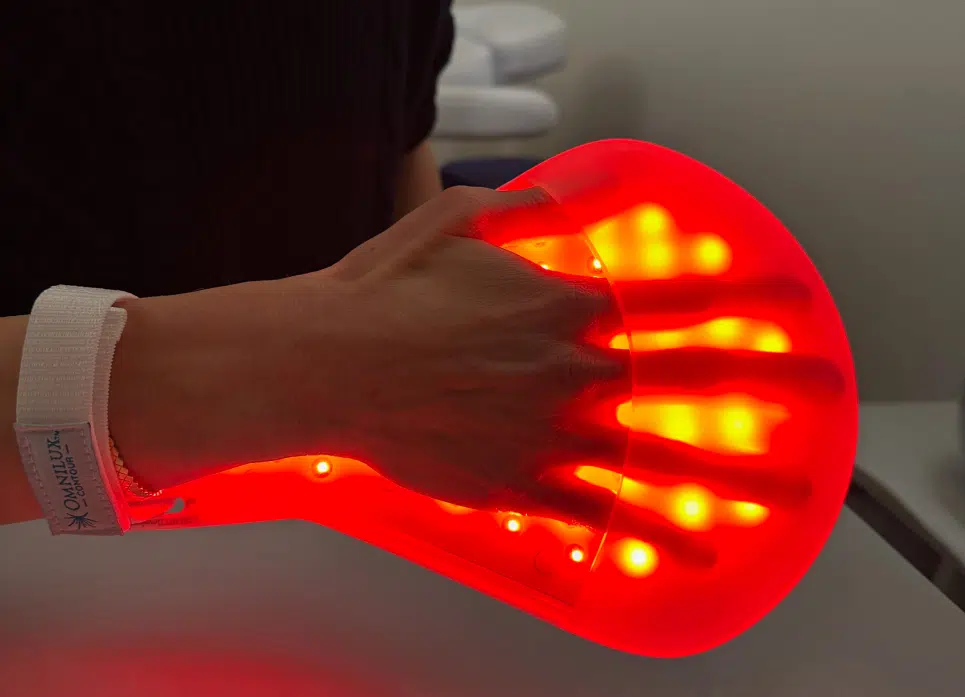
Some facial and body devices incorporate near-infrared wavelengths alongside visible red light.
These products are often discussed in relation to photobiomodulation research, which investigates how particular light exposures interact with biological tissues.
The potential cosmetic applications depend on the wavelength, intensity, exposure duration, and equipment design. Research findings involving one device should not be assumed to apply to every product available commercially.
Personal Relaxation
Infrared heating products may appeal to individuals who enjoy warmth as part of their relaxation habits.
For example, someone might use an appropriate heating device during a quiet evening or as part of a broader personal wellness routine. The experience is generally intended to provide comfort rather than replace medical treatment.
Infrared Light and Red Light: Understanding the Difference
These terms are sometimes used together in product descriptions, but they are not interchangeable.
| Feature | Visible red light | Infrared light |
|---|---|---|
| Visibility | Visible to the human eye | Generally invisible |
| Spectrum | Visible-light region | Beyond visible red |
| Common applications | LED skincare equipment | Heating and specialized light devices |
| Consumer experience | Visible illumination | May involve warmth, depending on the device |
A product combining both technologies may offer different operating modes. Checking its actual wavelength specifications is more useful than relying on general descriptions.
What to Consider Before Choosing a Device
Buying infrared equipment requires attention to its intended application.
First, identify whether the product is designed for heating, relaxation, facial skincare, or another purpose. This distinction helps prevent unrealistic expectations.
Next, review the manufacturer’s technical specifications. Important information includes wavelength range, temperature settings where applicable, recommended exposure time, and safety instructions.
Other considerations include:
- Build quality and material durability.
- Adjustable operating settings.
- Temperature regulation and automatic shut-off.
- Suitable treatment coverage.
- Warranty and customer support.
- Clear cleaning and maintenance instructions.
Products should provide understandable operating guidance and appropriate safety information.
Responsible Use and Precautions
Infrared devices should always be used according to their intended purpose. Heating equipment can cause burns if operated incorrectly or applied too close to sensitive skin.
People with reduced temperature sensitivity, circulation problems, photosensitivity, or relevant medical conditions should seek professional advice before using certain infrared products.
Avoid prolonged exposure, excessive temperatures, or direct contact when the manufacturer’s instructions prohibit it.
It is also important to remember that consumer wellness equipment is not a substitute for medical diagnosis or treatment. Claims involving pain relief, circulation, or disease management should be evaluated carefully.
Bringing Infrared Technology Into Everyday Life
Infrared technology has several applications, and its role in personal wellness depends largely on the type of equipment being used. Some products emphasize warmth and relaxation, while others combine infrared wavelengths with visible light for cosmetic applications.
Consumers can make better decisions by understanding these differences, reviewing technical details, and choosing equipment with appropriate safety information. With realistic expectations and responsible operation, infrared technology can be explored as one possible component of a modern personal care routine.