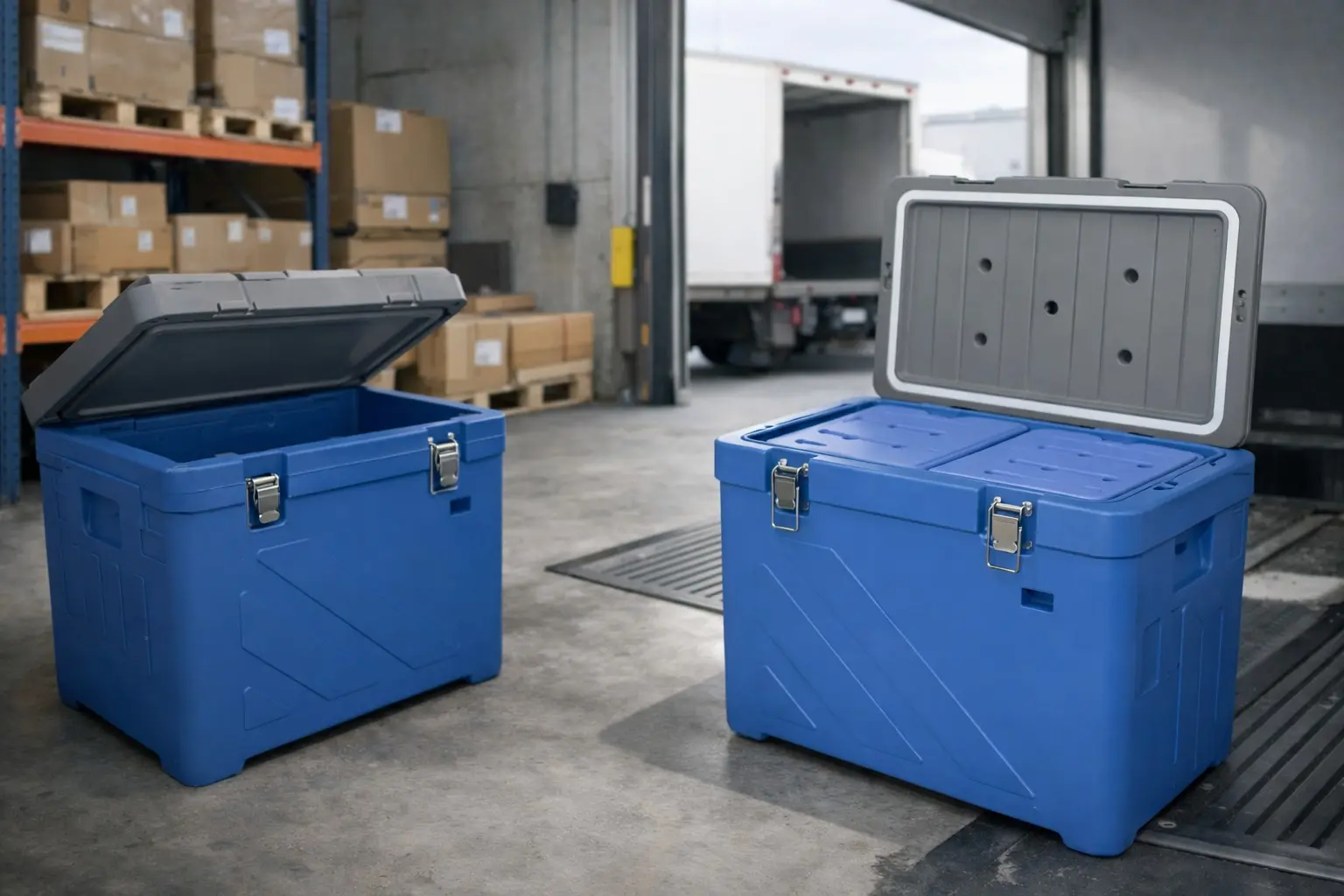
How a Thermal Storage Box Helps Maintain Stable Temperatures
Many products need protection from sudden temperature changes while they are being stored, transferred, or transported. Food ingredients, prepared meals, laboratory materials, and selected industrial goods may all have conditions that should be maintained to preserve their quality. In busy operations, products are not always kept inside a refrigerator or temperature-controlled room. They may spend time at loading points, in temporary storage areas, or inside delivery vehicles. Thermal storage equipment helps businesses manage these transitions more carefully.
A suitable Thermal Storage Box creates an insulated space that slows the movement of heat between its contents and the surrounding environment. Depending on the design, it can be used with cooling materials, heat-retaining elements, or other temperature-management methods. Its purpose is not necessarily to produce heat or cold, but to help reduce temperature fluctuations over a planned period.
1. Understanding Thermal Protection
Heat naturally moves from warmer areas toward cooler ones. When a chilled product is placed in a warm environment, heat gradually enters its storage space. Similarly, a warm item loses heat when surrounded by cooler air.
Insulating materials slow this process by reducing the rate of heat transfer through the container walls. The result is a more gradual change in internal conditions compared with many ordinary storage containers.
The level of protection depends on the insulation material, thickness, lid design, construction quality, external temperature, and duration of use. A container should therefore be evaluated against the actual conditions it will encounter.
2. Helps During Temporary Storage
Some businesses need to hold products temporarily between preparation and final delivery. A thermal storage box can provide an additional layer of protection when products are moved out of their usual storage environment.
For example, a catering team may use insulated containers while loading prepared food into vehicles. A distributor may use them to organize chilled goods during a transfer between facilities. These applications can help reduce exposure to ambient temperature changes.
However, the container should not replace a refrigerator, freezer, or controlled storage room when those systems are required. The intended storage duration and temperature range must be established in advance.
3. Can Support Both Hot and Cold Applications
Thermal insulation can slow heat movement in either direction. This means a suitably designed container may be used in hot-holding or cold-holding applications, depending on its intended construction and the materials placed inside.
For cold applications, an appropriate cooling source may be required. For hot applications, products may need to be placed inside at the correct holding temperature, with suitable procedures to maintain safe conditions.
Not every insulated box is designed for both purposes. Users should check manufacturer specifications and avoid using a product outside its stated operating conditions.
4. Helps Improve Product Handling
A defined storage space can make it easier to organize goods during busy work periods. Products can be placed in suitable inner packages, arranged by destination, and separated using dividers where necessary.
This can reduce unnecessary handling and help staff locate specific items more quickly. A secure lid also helps protect the contents during movement.
For shipments containing different products, clear labels can identify their contents, handling instructions, and destination. This is particularly useful when several boxes are prepared for different customers or locations.
5. Supports Consistent Operating Procedures
Businesses can incorporate thermal storage boxes into written packing and handling procedures. These may cover pre-conditioning, loading, placement of temperature-control materials, lid closure, monitoring, and cleaning.
A standard process helps employees perform tasks consistently and makes it easier to investigate problems. If a product arrives outside its required temperature range, records of packing and monitoring can help identify where the process may have failed.
For temperature-sensitive goods, suitable thermometers, indicators, or data loggers may be needed. The monitoring method should reflect the product’s requirements and the level of assurance required by the business.
6. Features to Review Before Purchase
Selecting a thermal storage box involves more than comparing dimensions. Consider these factors:
- Insulation performance: Review available test information and the conditions under which it was measured.
- Internal capacity: Allow room for products, protective packaging, and temperature-control materials.
- Construction: Inspect walls, corners, lid fit, handles, and closure mechanisms.
- Application: Confirm whether the design is suitable for hot holding, cold holding, or a specific temperature range.
- Cleaning: Check that internal surfaces can be maintained using appropriate procedures.
- Monitoring: Determine whether the box can accommodate the required temperature-measuring equipment.
A trial using representative products can help confirm whether the design suits everyday operations.
7. Care and Maintenance
After use, empty the box and clean it according to the manufacturer’s instructions. Allow it to dry properly before storing it, and inspect the lid, seals, handles, and outer shell for damage.
Avoid overloading the container, leaving the lid open unnecessarily, or exposing it to conditions outside its specified limits. Proper maintenance helps preserve usability and reduces the chance of unexpected problems during storage or transportation.
Conclusion
A thermal storage box helps manage temperature changes by providing insulation around products during temporary storage and movement. It can support a range of applications when the design is matched to the required conditions and used with appropriate temperature-control methods. Careful selection, consistent handling procedures, and suitable monitoring make it a useful part of a well-organized storage system.