
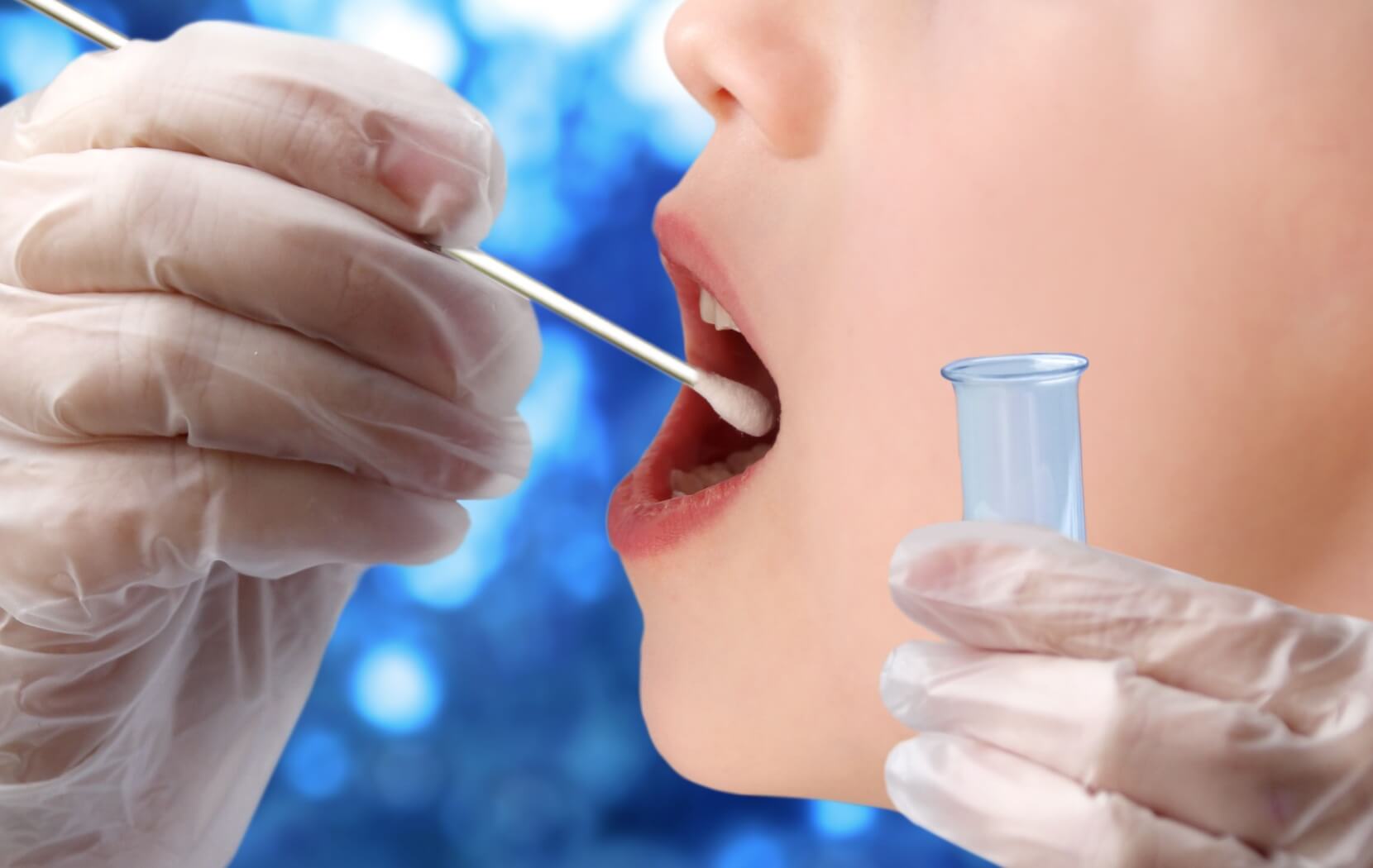
Saliva-Based Diagnostic Testing: Advantages, Sample Collection, and Modern Clinical Applications
Saliva-based diagnostic testing has become an increasingly useful approach in modern healthcare because it offers a convenient way to collect biological specimens without needles or invasive procedures. Saliva contains proteins, antibodies, genetic material, and other biological markers that can provide information about certain infections and health conditions. Depending on the diagnostic method, these components can be analyzed to identify specific pathogens or measure selected biomarkers.
As diagnostic technology advances, saliva sampling is being explored and adopted across a range of clinical and screening applications. A Saliva Test can provide a practical specimen collection option when the selected diagnostic product has been validated for saliva samples. Its non-invasive nature may make testing more comfortable and accessible, particularly for people who have difficulty providing blood or nasal specimens.
What Is Saliva-Based Diagnostic Testing?
Saliva-based diagnostic testing involves collecting oral fluid and analyzing it for specific biological indicators. Unlike blood collection, which requires a needle, saliva sampling generally involves spitting into a collection container, allowing saliva to accumulate in the mouth, or using a specialized collection device.
The sample may contain several types of measurable substances, including:
- Antibodies: Proteins produced by the immune system in response to particular infections or exposures.
- Antigens: Components of microorganisms that may be detected by suitable diagnostic assays.
- Nucleic acids: Genetic material from certain viruses and other organisms.
- Proteins and enzymes: Biomarkers that may help investigate specific physiological or disease-related processes.
- Hormones and other compounds: Substances that can be measured in selected clinical and research applications.
The substances detected depend on the purpose of the test and the technology used. Not every saliva test can identify every infection or health condition.
Advantages of Saliva-Based Testing
Saliva collection offers several practical benefits that make it an attractive option for selected diagnostic applications.
1. Non-Invasive Sample Collection
One of the main advantages is that saliva can usually be collected without needles, injections, or other invasive procedures. This can reduce discomfort and make testing more acceptable to people who experience anxiety around blood collection.
2. Convenient Collection Process
Many saliva collection procedures require only a sterile container or a specialized sampling device. This simplicity can make the method suitable for certain clinical facilities, screening programs, and approved home-collection settings.
3. Potential for Self-Collection
Some diagnostic systems allow individuals to collect their own saliva samples by following clear instructions. Self-collection may reduce the need for direct assistance from healthcare staff and make participation in testing programs easier.
4. Suitable for Repeated Sampling
Because collection is generally non-invasive, saliva may be useful in situations where multiple samples are required over time. This can support selected research studies and monitoring applications.
5. Improved Accessibility for Certain Groups
Saliva sampling may be particularly helpful for children, older adults, or individuals who find conventional specimen collection difficult. However, the suitability of the method depends on the specific test and the individual’s ability to provide an adequate sample.
How Is a Saliva Sample Collected?
Accurate specimen collection is essential for obtaining a sample that is suitable for analysis. The exact procedure varies according to the diagnostic product, but most methods follow a few general steps.
Step 1: Prepare for Collection
Before collecting a sample, users should read the test instructions carefully. Some products require avoiding food, drinks, smoking, chewing gum, or oral hygiene products for a specified period before collection.
Following these requirements helps reduce the risk of contamination or interference.
Step 2: Prepare the Collection Device
The collection container or sampling device should be opened according to the manufacturer’s instructions. Users should avoid touching the inside of the container or any surface intended to contact the specimen.
Step 3: Collect the Saliva
Depending on the product, individuals may be asked to allow saliva to accumulate naturally in the mouth before transferring it into a container. Other systems use an absorbent collection pad or a specialized oral sampling device.
The sample should meet the required volume or collection level specified in the instructions.
Step 4: Secure and Process the Sample
After collection, the container should be closed securely. Some diagnostic procedures require mixing the sample with a buffer solution or transferring it into a testing cartridge.
Step 5: Complete the Testing Procedure
The collected specimen is processed using the designated diagnostic system. Users should follow the recommended timing and result interpretation guidelines rather than applying procedures from a different product.
Common Clinical Applications of Saliva Testing
Saliva contains a range of biological materials, making it useful in selected areas of healthcare and biomedical research. Its clinical applications depend on whether a particular test has been adequately validated.
Infectious Disease Detection
Certain diagnostic technologies use saliva to investigate infectious diseases. Depending on the pathogen and assay, testing may detect viral genetic material, antigens, or antibodies.
Saliva has been studied and used in selected testing approaches for respiratory infections and other infectious conditions. However, specimen suitability varies, and a saliva-based method should only be used when the diagnostic product specifically supports it.
Oral Health Assessment
Saliva plays an important role in maintaining oral health. Its composition can provide information about the oral environment, including selected markers associated with inflammation, dental conditions, and microbial activity.
Researchers and healthcare professionals may use saliva analysis to investigate oral health and evaluate certain disease-related indicators.
Hormone Testing
Some hormones can be measured in saliva, making it useful for selected endocrine assessments and research applications. Cortisol is one example of a hormone commonly investigated through saliva sampling.
The timing of collection and laboratory method can influence results, so testing must follow an appropriate protocol.
Antibody and Immune Response Research
Saliva contains antibodies that may be measured in certain research and diagnostic settings. These measurements can help investigate immune responses at mucosal surfaces, although they do not automatically provide the same information as blood-based antibody tests.
Clinical and Biomedical Research
Researchers use saliva samples to study biomarkers, genetic material, immune responses, and other biological processes. Its relatively simple collection procedure makes it useful in studies that require specimens from large groups of participants.
Saliva Testing Compared with Other Sample Collection Methods
Different specimen types have different strengths and limitations. The best choice depends on the target condition, diagnostic technology, and intended use.
| Feature | Saliva | Blood | Nasal Swab |
|---|---|---|---|
| Collection method | Oral fluid collection | Needle-based collection | Swab sampling inside the nose |
| Invasiveness | Generally non-invasive | Invasive | Usually minimally invasive |
| Self-collection | Possible with suitable products | Depends on collection method | Possible with approved products |
| Sample composition | Oral fluid and biological markers | Blood cells, plasma, or serum | Nasal secretions and cells |
| Common applications | Selected infections, hormones, and research | Broad clinical testing | Selected respiratory infections |
| Main consideration | Saliva quality and assay validation | Collection equipment and trained personnel may be needed | Correct sampling technique is important |
These methods are not interchangeable. A diagnostic test must be validated for the specific specimen type it is intended to analyze.
Factors That Influence Saliva Test Accuracy
Although saliva collection is relatively straightforward, several factors can affect specimen quality and diagnostic performance.
Sample Contamination
Food particles, beverages, toothpaste, mouthwash, and other substances may interfere with certain tests. Users should follow any pre-collection restrictions provided by the manufacturer.
Insufficient Sample Volume
Some diagnostic systems require a minimum amount of saliva. An inadequate specimen may prevent the test from functioning correctly or produce an invalid result.
Collection Timing
The concentration of certain biomarkers can change throughout the day. For hormone testing and other time-sensitive applications, following the recommended collection schedule is important.
Storage and Transportation
Saliva specimens may require specific storage temperatures, containers, or transport conditions. Delays or improper handling can affect the stability of the material being measured.
Diagnostic Method Performance
Sensitivity and specificity vary between assays. A test’s performance should be evaluated using evidence relevant to its intended use, target condition, and specimen type.
Challenges and Limitations of Saliva-Based Diagnostics
Despite its advantages, saliva testing is not suitable for every diagnostic purpose. The concentration of a target substance in saliva may be lower or more variable than in other specimen types. This can affect detection, particularly when the amount of the target material is close to the assay’s detection limit.
Other limitations include:
- Differences in saliva production between individuals.
- Variation in sample composition due to hydration, food intake, or oral health.
- Potential contamination from substances in the mouth.
- The need for specialized collection devices or preparation procedures for certain assays.
- Limited suitability for conditions that require blood or tissue-based measurements.
A negative saliva test does not necessarily rule out a disease. When symptoms, exposure history, or clinical findings suggest an infection, healthcare professionals may recommend another testing method or confirmatory evaluation.
Choosing a Reliable Saliva-Based Diagnostic Product
Selecting a suitable product requires careful attention to its intended application and performance information.
Validated specimen compatibility: Confirm that the product specifically accepts saliva. A test designed for blood or nasal samples should not be used with saliva unless its instructions explicitly permit this.
Clinical performance information: Review available sensitivity, specificity, and validation data. These details help explain how the test performs under its intended conditions.
Clear collection instructions: The product should explain how much saliva is needed, how to collect it, and whether preparation is required before sampling.
Quality and regulatory requirements: Check the product’s applicable regulatory status and the manufacturer’s quality management practices. Requirements vary by country and intended use.
Result interpretation: Instructions should clearly explain valid, invalid, positive, and negative results, along with any recommended next steps.
The Future of Saliva-Based Diagnostic Technology
Developments in biosensors, molecular diagnostics, and rapid testing platforms are creating new opportunities for saliva-based analysis. Researchers are investigating ways to improve detection sensitivity, reduce sample preparation requirements, and develop more compact testing systems.
Future applications may include broader biomarker panels, more convenient point-of-care testing, and improved approaches to monitoring selected health indicators. However, promising research findings do not automatically establish clinical suitability. Each diagnostic application requires appropriate validation and evidence of performance.
Conclusion
Saliva-based diagnostic testing provides a convenient and non-invasive approach to collecting biological specimens for selected clinical and research applications. Its potential uses include infectious disease investigation, hormone measurement, oral health assessment, and immune response research.
Reliable results depend on correct sample collection, suitable storage, and the use of a diagnostic method validated for saliva. By understanding both its advantages and limitations, healthcare professionals and individuals can make more informed decisions about when saliva-based testing is an appropriate option.


