
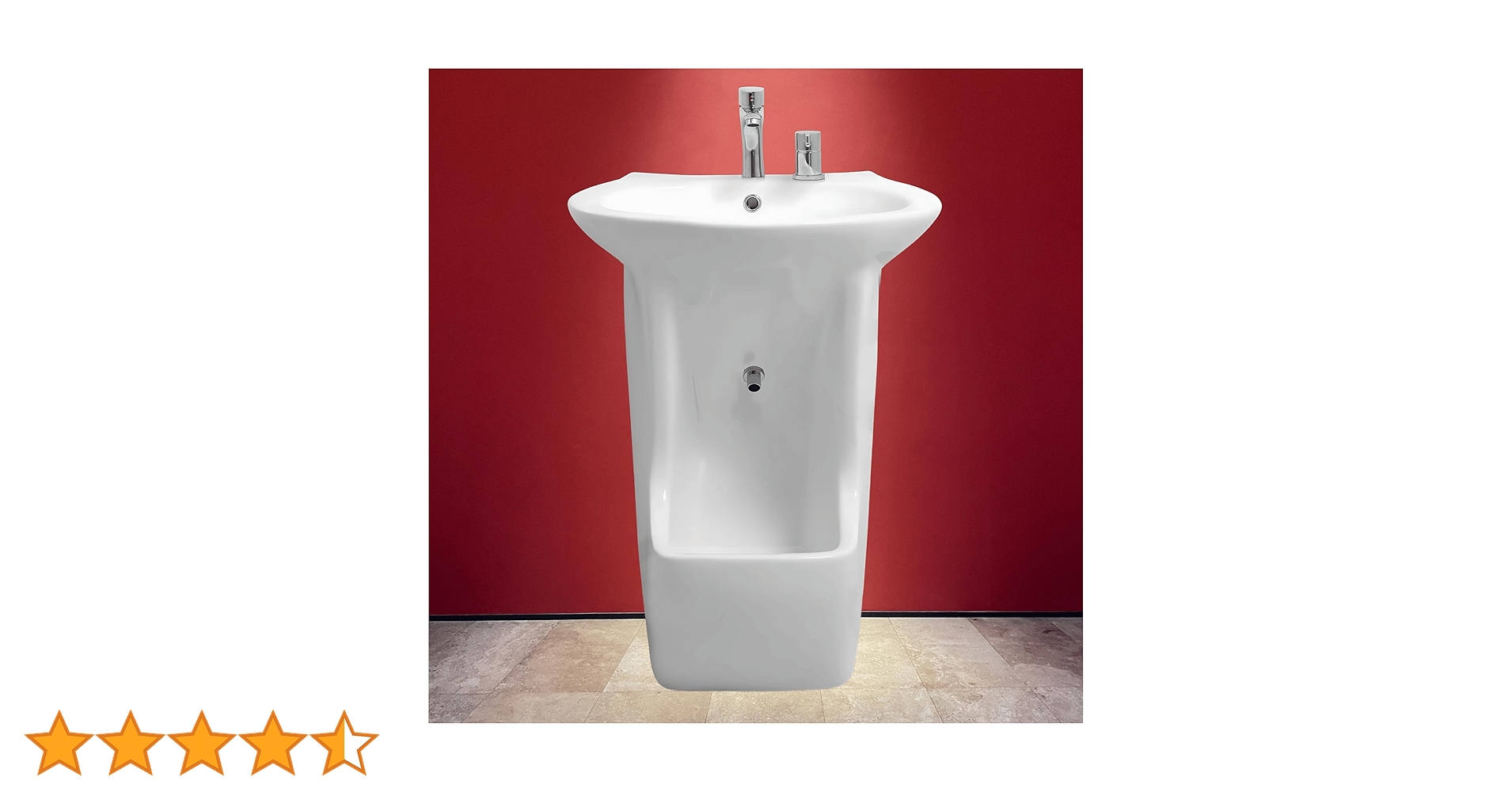
How to Create a Multi-User Area With Multiple Foot Wash Sinks
High-traffic facilities such as mosques, gyms, community centers, and schools require efficient and hygienic solutions for foot washing. Creating a multi-user area with multiple foot wash sinks ensures that several individuals can wash their feet simultaneously without congestion, improving hygiene, convenience, and overall user experience.
Assessing Space Requirements
The first step in designing a multi-user foot wash area is evaluating the available space. Measure the room carefully and determine how many sinks can be accommodated without crowding. Consider walkways, turning radii, and accessibility for all users, including children, elderly individuals, and people with disabilities. Proper spacing prevents congestion and allows users to move comfortably between sinks, enhancing both safety and convenience.
Planning Plumbing and Drainage
Efficient plumbing and drainage are crucial in a multi-sink setup. Each foot wash sink requires a reliable water supply and proper drainage to handle frequent use. Coordinating multiple sinks in one area often involves shared supply lines and drainage channels, which must be correctly sized to prevent water pressure issues or drainage backups. Professional plumbing consultation ensures that the system functions efficiently, maintaining hygiene standards even during peak usage periods.
Selecting the Right Foot Wash Sink
Choosing a durable and functional foot wash sink is key for multi-user setups. Sinks should be made from nonporous, easy-to-clean materials that resist stains, bacteria, and corrosion. Consider features such as non-slip surfaces, ergonomic heights, and integrated hand washing areas to accommodate diverse users. Selecting the right model ensures that the sinks remain functional, hygienic, and user-friendly over time, even in high-traffic environments.
Arranging the Layout for Efficiency
The arrangement of multiple sinks should maximize usability and minimize waiting times. Aligning sinks along a wall or in a row with adequate spacing between stations allows users to access them easily. In larger facilities, creating separate zones or multiple rows can prevent bottlenecks and improve workflow. Proper layout planning also supports effective cleaning and maintenance, ensuring that the area remains hygienic and visually organized.
Safety and Accessibility Considerations
Safety is a primary concern when designing a multi-user foot wash area. Non-slip flooring, rounded sink edges, and secure mounting are essential features to prevent accidents. Additionally, the sinks should be accessible to all age groups and abilities. Incorporating handrails, varied sink heights, and clear walkways ensures that everyone can use the facility comfortably and safely. Accessibility considerations are especially important in public or communal spaces, where users may have different physical requirements.
Ventilation and Moisture Management
A high-traffic foot wash area generates significant moisture. Proper ventilation is crucial to prevent mold, mildew, and odors. Installing exhaust fans, air circulation systems, or moisture-resistant wall and floor materials helps maintain a dry and hygienic environment. Efficient drainage combined with effective ventilation ensures the area remains safe, clean, and comfortable for users.
Maintenance and Cleaning
Regular maintenance is critical to ensure that multi-user foot wash areas remain hygienic. Sinks should be cleaned daily to remove dirt, soap residue, and bacteria. Scheduled deep cleaning and inspection of plumbing systems prevent clogs, leaks, and water stagnation. Choosing foot wash sinks made of durable, nonporous materials simplifies routine cleaning and reduces long-term maintenance costs, keeping the area sanitary and visually appealing.
Conclusion
Creating a multi-user area with multiple foot wash sinks enhances hygiene, safety, and user experience in high-traffic facilities. By carefully assessing space, planning plumbing, selecting durable sinks, arranging an efficient layout, and prioritizing safety and accessibility, facility managers can design a functional and practical foot washing area. Proper ventilation and regular maintenance further ensure the area remains clean, comfortable, and welcoming for all users, making it an essential feature in communal spaces.


