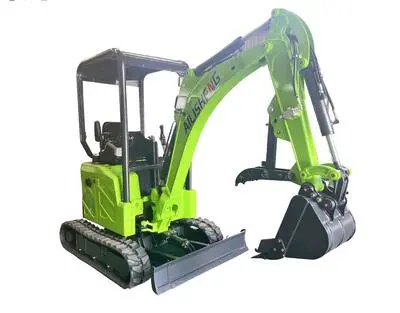
How an Electric Mini Excavator Can Benefit Indoor Construction Work
Indoor construction presents a unique set of challenges that differ considerably from outdoor excavation. Renovation projects inside warehouses, industrial facilities, commercial buildings, and other structures may require ground preparation or trenching while working around walls, columns, existing installations, and limited access points. Equipment must be selected carefully to meet task requirements without creating unnecessary disruption to the building environment.
An electric mini excavator may provide a practical option for selected indoor applications because of its compact design and electric operating system. Depending on its dimensions and capabilities, it may assist with excavation, floor preparation, drainage work, or utility installation. Its suitability, however, depends on the working environment, access conditions, ventilation, floor capacity, and task specifications.
The Challenges of Working Inside Buildings
Indoor construction sites frequently have restricted movement. Machinery may need to pass through doorways, corridors, loading areas, or temporary openings before reaching the work zone. Columns, machinery, partitions, and overhead structures can limit movement further.
Contractors must consider the equipment’s height, width, turning characteristics, operating weight, and tail swing. A machine that can pass through an entrance may not necessarily have enough room to turn or position its boom safely once inside.
Floor capacity is another important factor. The building structure and floor condition must be capable of supporting the machine and its operational loads. Before machinery is introduced, contractors should confirm structural suitability and determine whether load distribution measures are necessary.
Advantages of Electric Operation
One of the main considerations for indoor equipment is exhaust management. Electric excavators do not produce exhaust emissions directly from the machine while operating, unlike combustion-powered equipment. This characteristic may be beneficial when working in indoor environments where exhaust emissions would otherwise require substantial ventilation planning.
Nevertheless, electric operation does not remove the need for a safe indoor working environment. Contractors must assess dust, air quality, electrical hazards, heat, ventilation, and other potential risks associated with excavation and construction activities.
Noise is also relevant when renovation takes place in occupied buildings. Electric equipment may reduce engine-related noise, which could make it more suitable for selected interior projects. The actual sound produced by digging, hydraulics, tracks, and attachments still needs to be considered.
Supporting Interior Renovation and Groundwork
Some renovation projects involve removing or preparing ground-level material, creating trenches for services, installing drainage, or modifying existing floor areas. Compact excavators may assist with these tasks when the machine’s working dimensions and excavation capabilities are appropriate.
In industrial settings, contractors might need to prepare routes for underground services or undertake localized excavation during facility improvements. In commercial buildings, selected ground-level renovation activities may involve removing soil or preparing areas for new installations.
These tasks require careful planning because existing utilities, foundations, floor systems, and structural elements may be concealed. Excavation should only proceed after relevant investigations, approvals, and safety measures have been completed.
Access Planning and Equipment Transportation
Moving an excavator into a building may require a carefully planned route. Contractors should measure openings, check floor transitions, identify ramps, and evaluate the turning space available at each stage.
Transportation equipment and lifting arrangements must also be considered if the machine cannot enter through a standard access route. Any lifting operation should follow an approved procedure and use suitable equipment and personnel.
The work area should be prepared before the excavator arrives. Materials, debris, tools, and unnecessary obstacles should be cleared to provide adequate movement space. Designated exclusion zones can help protect workers who are not directly involved in machine operation.
Charging and Energy Management
Indoor projects may provide opportunities to charge electric equipment during scheduled breaks or downtime, but the charging arrangement must be suitable for the machine and the facility.
Contractors should confirm the electrical supply requirements, charging equipment compatibility, cable routing, and protection from damage. Charging cables should not create trip hazards or obstruct access routes. The manufacturer’s instructions must be followed, and the charging area should be selected with appropriate safety considerations.
Operating duration should be estimated according to the work being performed. Intensive excavation may use more energy than lighter tasks, so the schedule should include realistic allowances for charging and interruptions.
Maintenance and Site Safety
Indoor use does not reduce the need for equipment inspections. Operators should check tracks, attachments, hydraulic systems, controls, warning devices, and other components before use. Any electrical or battery-related concern should be addressed according to manufacturer guidance.
Workers must receive appropriate training and understand the machine’s operating limitations. Excavation boundaries, pedestrian movement, overhead hazards, and emergency procedures should be communicated clearly.
Conclusion
Electric mini excavators may offer advantages for selected indoor construction and renovation activities where compact dimensions and the absence of direct exhaust emissions are important. Their potential applications include localized excavation, service preparation, and ground-level improvement work. By assessing access, floor capacity, ventilation, charging, operator training, and safety requirements, contractors can determine whether this type of machinery is suitable for a particular indoor project.