Essential Design Elements of a Modern Wudu Wash Basin Setup
Modern mosque architecture increasingly focuses on hygiene, water efficiency, and user comfort. Among the most important facilities in any mosque is the ablution area, where worshippers perform wudu before prayers. As congregations grow and mosque usage intensifies, traditional washing areas are no longer sufficient to meet hygiene expectations or manage high foot traffic effectively.
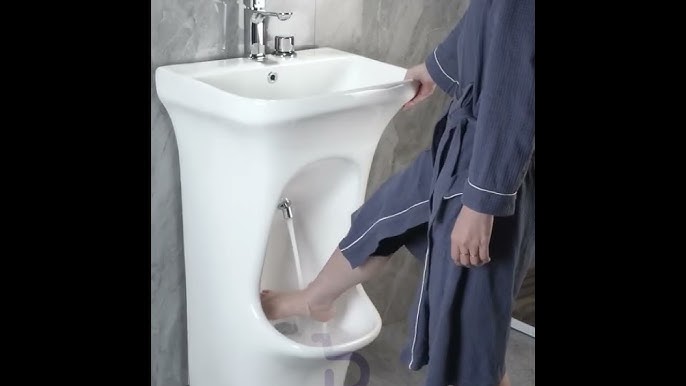
To address these challenges, designers are now integrating advanced sanitation systems that streamline water usage and improve cleanliness. A well-designed Wudu Wash Basin setup plays a central role in ensuring that ablution areas remain organized, hygienic, and easy to maintain while supporting both small community mosques and large-scale Islamic centers.
Design Principles for Efficient Wudu Areas
A modern wudu station is not just about functionality; it is about creating a structured environment that supports smooth user flow and reduces congestion during peak prayer times. Architects and planners must consider spacing, accessibility, and durability when designing these facilities.
Key design considerations include:
- Ergonomic height and spacing for comfortable use
- Slip-resistant flooring to enhance safety
- Separate washing points to avoid overcrowding
- Proper drainage systems to prevent water accumulation
- Easy access for elderly and disabled users
These elements work together to create a more efficient and respectful ablution environment, ensuring that worshippers can perform rituals without delay or discomfort.
In addition to structural design, product selection plays a major role in performance and hygiene. Modern materials and prefabricated units help simplify installation while maintaining consistent quality across multiple installations.
Hygiene Efficiency and Water Management Systems
Hygiene is one of the most critical aspects of any ablution area. Poorly managed water flow can lead to contamination, unpleasant odors, and slippery surfaces. Modern wash basin systems are engineered to control water distribution and minimize waste, ensuring a cleaner environment for all users.
Efficient drainage channels and splash-reduction designs help keep surrounding areas dry, reducing the risk of bacterial growth. Smooth, non-porous surfaces also make cleaning easier and more effective, supporting long-term sanitation goals.
Proper planning of wudu stations not only improves hygiene but also enhances operational efficiency for mosque management teams. Reduced cleaning time and lower water consumption contribute to sustainable facility management.
Export Opportunities and Global Market Demand
The demand for modern mosque infrastructure is increasing rapidly across regions such as the Middle East, Southeast Asia, and parts of Africa. This growth has created strong opportunities for manufacturers and exporters specializing in ablution systems and related sanitary products.
For B2B platforms and export/import websites, promoting hygiene-focused architectural solutions can attract high-value traffic from contractors, mosque developers, and government-backed religious projects. Marketing strategies should focus on showcasing product durability, water efficiency, and compliance with international construction standards.
Effective export-driven marketing approaches include:
- SEO optimization targeting mosque construction and religious infrastructure keywords
- Digital advertising campaigns aimed at architects and builders
- Participation in global construction and Islamic architecture exhibitions
- Strategic partnerships with procurement agencies and contractors
By positioning products as essential components of modern mosque design, businesses can strengthen their global reach and increase long-term advertising revenue on export platforms.
Materials and Long-Term Durability
Durability is a key factor in selecting materials for wudu areas, as these facilities are exposed to constant water usage throughout the day. High-quality solid surfaces, reinforced composites, and anti-corrosion materials are commonly used to ensure longevity and performance.
These materials offer several advantages:
- Resistance to moisture and mold growth
- Easy maintenance and cleaning
- Long service life with minimal repairs
- Consistent appearance even under heavy use
Investing in durable infrastructure reduces maintenance costs for mosque administrators while ensuring that hygiene standards remain consistently high over time.
Conclusion
A modern wudu wash basin setup is an essential part of contemporary mosque design, combining hygiene, efficiency, and user comfort. With increasing global demand for well-designed religious facilities, the focus on advanced ablution systems continues to grow.
For manufacturers and exporters, this presents a strong opportunity to expand into international markets through targeted marketing and strategic partnerships. By emphasizing quality, sustainability, and design innovation, businesses can position themselves effectively in the growing global demand for mosque infrastructure solutions.