
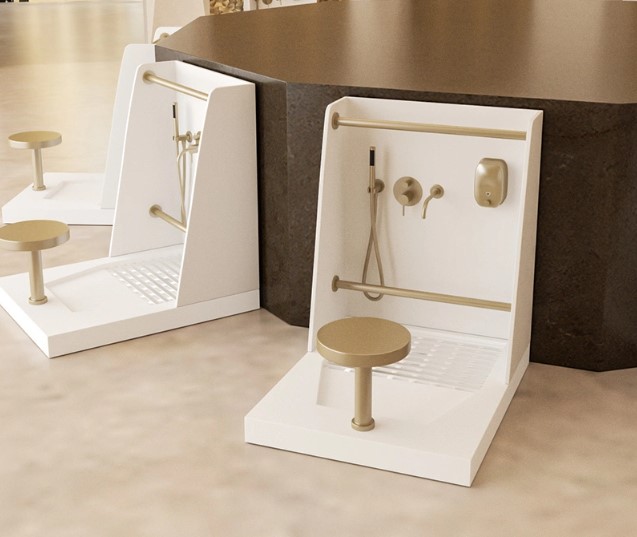
Why Every Muslim Community Center Needs A Proper Wudu Basin
A Muslim community center serves people of different ages and backgrounds who come together for prayer, religious classes, community events, and social activities. A clean and functional ablution area supports these activities by giving visitors a suitable place to prepare for salah. Without proper washing facilities, people may need to use ordinary restroom sinks that do not offer enough space or comfort for foot washing.
A dedicated ablution facility also helps community centers manage busy periods when several visitors arrive before prayer. Installing a suitable Wudu basin for Muslim worshippers gives users a more practical place to complete wudu and helps keep nearby floors and shared spaces cleaner. Its design affects daily convenience, water use, accessibility, and the amount of maintenance the facility requires.
Supports Daily Prayer Activities
Prayer remains one of the main reasons people visit a Muslim community center. Visitors may arrive from nearby homes, workplaces, schools, or other activities and need access to washing facilities before joining congregational prayer.
A proper wudu basin makes this process easier. Its shape and dimensions provide a suitable space for washing different parts of the body, including the feet. This matters because standard bathroom sinks often lack the depth or clearance needed for comfortable ablution.
The facility also needs to support different prayer schedules. Morning, midday, afternoon, and evening prayers bring visitors at different times. A reliable washing area helps the center serve regular worshippers without relying on temporary arrangements.
Handles High Visitor Numbers More Effectively
Community centers often experience sudden increases in visitors before congregational prayers, religious lectures, Ramadan gatherings, and special events. A single bathroom sink may not handle this demand.
A dedicated wudu area with multiple stations helps reduce waiting times. Visitors can prepare for prayer without crowding ordinary restrooms or blocking access for people who need other bathroom facilities.
Plan The Number Of Washing Stations
The number of basins should reflect the center’s usual attendance and its busiest periods. A small neighborhood facility may need only a few stations, while a large center may require a longer row of basins.
Consider these factors when planning capacity:
- Average daily prayer attendance
- Expected visitors during Friday prayers
- Ramadan and Eid gatherings
- Religious classes and community events
- Available floor space and plumbing connections
It is also useful to leave room for future changes. A center that expects its membership to grow may benefit from a layout that allows additional stations later.
Keeps Shared Spaces Cleaner And Safer
Water often reaches the floor during ablution, especially when people use sinks that do not suit foot washing. Repeated splashing can leave wet patches around the washing area and create extra cleaning work.
A purpose-designed basin helps contain water within the washing space. Its depth, shape, and faucet position can reduce splashes when users wash their feet.
Floor design matters just as much. The surrounding area should have slip-resistant flooring and a suitable drainage system. A slight floor slope can guide water toward drains instead of allowing it to collect near the stations.
Regular cleaning also becomes easier when the basin and surrounding surfaces have simple shapes and practical finishes. Staff can remove water marks, dirt, and residue without spending extra time on difficult corners.
Provides A More Comfortable Ablution Experience
Visitors should be able to perform wudu without awkward movements or unnecessary discomfort. A regular bathroom sink may sit too high or offer limited space for foot washing. These problems can affect older adults, children, and people with mobility limitations.
A dedicated basin addresses these needs through a more suitable design. The washing area should provide enough room for users to position their feet and move comfortably.
Choose Suitable Basin Dimensions
Basin height, depth, and width all affect usability. A unit that sits too high may make foot washing difficult, while a shallow design may allow water to spill onto the floor.
Measure the available installation area and consider the main user group before selecting a model. For centers that serve people of different ages, accessible stations at suitable heights can make the facility more inclusive.
Consider Seating And Support
Some visitors may find standing for the full ablution process difficult. A stable seat near the washing station can provide support and make foot washing more manageable.
Grab bars may also help people who need extra stability. Their placement should allow users to reach the basin comfortably without obstructing other visitors.
Makes The Facility More Accessible
A community center should welcome people with different physical abilities. An ablution area that only suits one type of user may create difficulties for older worshippers, people with disabilities, and children.
Accessibility needs to form part of the original design rather than an addition after installation. A practical facility may include:
- Clear walking paths between the entrance and washing stations
- Enough turning space for wheelchair users
- Accessible basin heights
- Stable grab bars where needed
- Non-slip flooring
- Seating for visitors who cannot stand comfortably
These features help more people use the facility independently. They also make the community center more practical for families and visitors who may need additional support.
Helps Manage Water Use
A community center may serve hundreds of visitors each day. Small amounts of wasted water at individual stations can add up over time, especially during busy prayer periods.
Suitable faucets and a practical basin design help control water use. Push-button taps and sensor faucets limit unnecessary running water, although the right option depends on the center’s budget and maintenance capacity.
The basin should also direct water toward the drainage system without excessive splashing. Staff can further reduce waste by checking for leaking taps and faulty plumbing connections during routine inspections.
Water-saving measures do not need to make ablution less comfortable. A steady and suitable flow gives users enough water for washing without allowing it to run unnecessarily.
Improves The Use Of Restroom Facilities
When visitors perform ablution in ordinary restrooms, they may occupy sinks for longer periods. This can create queues for people who only need to wash their hands or use the bathroom.
A separate wudu area keeps these activities apart. Worshippers have a suitable place for ablution, while other visitors retain access to standard restroom facilities.
This separation also helps staff manage cleaning tasks. They can focus on the specific needs of the ablution area without treating every bathroom sink as a washing station.
Creates A More Organized Community Environment
The design of shared facilities affects how people move through a building. A poorly planned washing area may cause congestion near prayer halls, entrances, and restrooms.
A dedicated wudu space gives visitors a clear place to prepare before entering the prayer area. The layout should provide enough room for people to approach the basins, complete washing, and leave without crossing occupied stations.
Clear signs can help first-time visitors locate the facility. Separate entrances or screened sections may also suit centers that need distinct washing areas for men and women.
Storage for soap, tissues, and cleaning supplies should remain within reach without taking up space needed for movement. Waste bins also need suitable placement so they do not block access.
Choose Materials That Suit Frequent Use
Community center facilities experience regular use, so basin materials need to handle water exposure and frequent cleaning. The choice affects appearance, durability, maintenance, and replacement costs.
Common options include ceramic, solid surface, and natural stone. Each has different care requirements.
- Ceramic: Its glazed surface is familiar and easy to clean with suitable products. Chips or cracks may require repair or replacement.
- Solid surface: Its smooth, non-porous finish supports routine cleaning and allows different basin shapes. Some surface marks may also be repairable, depending on the product.
- Natural stone: It offers a distinct appearance, although certain varieties need sealing and specific cleaning products.
Before choosing a material, consider how often the basin will be used and how much time staff can spend on maintenance. A suitable finish should remain practical under the center’s daily conditions.
For projects that require specific dimensions or finishes, community center managers can compare available designs from manufacturers such as kingkonree before making a final selection.
Consider Installation And Long-Term Maintenance
A proper wudu basin needs suitable plumbing, drainage, and floor preparation. Installing the basin without reviewing these requirements may lead to leaks, poor water flow, or drainage problems later.
Before installation, check the following:
- Confirm the location of existing water supply and drainage connections.
- Measure the available wall and floor space.
- Check that the basin height suits the intended users.
- Plan floor drainage and slip-resistant finishes.
- Confirm faucet compatibility and access to plumbing connections.
- Make sure maintenance staff can reach pipes, drains, and fittings.
After installation, routine inspections help keep the area functional. Staff should clean the basin, remove debris from drains, check faucets for leaks, and inspect the surrounding floor for damage.
A simple maintenance schedule prevents small problems from becoming expensive repairs. It also helps the facility maintain a clean environment for daily visitors.
Adds Practical Value To The Community Center
A well-designed ablution area supports more than prayer preparation. It improves how visitors use the building and reduces pressure on other shared facilities.
Families can attend religious classes and community gatherings with access to suitable washing facilities. Older visitors have a more comfortable place to perform wudu, and staff can manage cleaning and maintenance with a clearer routine.
The facility also reflects the center’s attention to visitor needs. Clean surfaces, suitable lighting, clear access, and reliable water supply all contribute to a positive experience.
Frequently Asked Questions
Why Does A Muslim Community Center Need A Dedicated Wudu Area?
A dedicated area gives worshippers a suitable place to perform ablution, including foot washing. It also reduces crowding in ordinary restrooms and helps keep wet areas separate from the main prayer space.
How Many Wudu Basins Should A Community Center Install?
The number depends on visitor attendance, available space, and peak prayer times. Managers should consider Friday prayers, Ramadan gatherings, and other events when estimating how many washing stations the facility needs.
What Is The Best Material For A Community Center Wudu Basin?
Ceramic and solid surface are common choices for shared ablution facilities. The best option depends on the required design, expected usage, cleaning routine, and available budget.
How Can A Wudu Area Stay Clean And Safe?
Use slip-resistant flooring, proper drainage, and easy-clean basin surfaces. Regular cleaning, drain inspections, and prompt repairs of leaking faucets also help maintain a safe washing area.
Conclusion
A proper wudu basin is an important facility for any Muslim community center. It supports daily prayer activities, handles visitor demand, improves accessibility, and helps keep shared spaces clean and organized.
Planning the basin design alongside drainage, flooring, spacing, and maintenance needs gives the center a facility that works for its community over the long term.

