
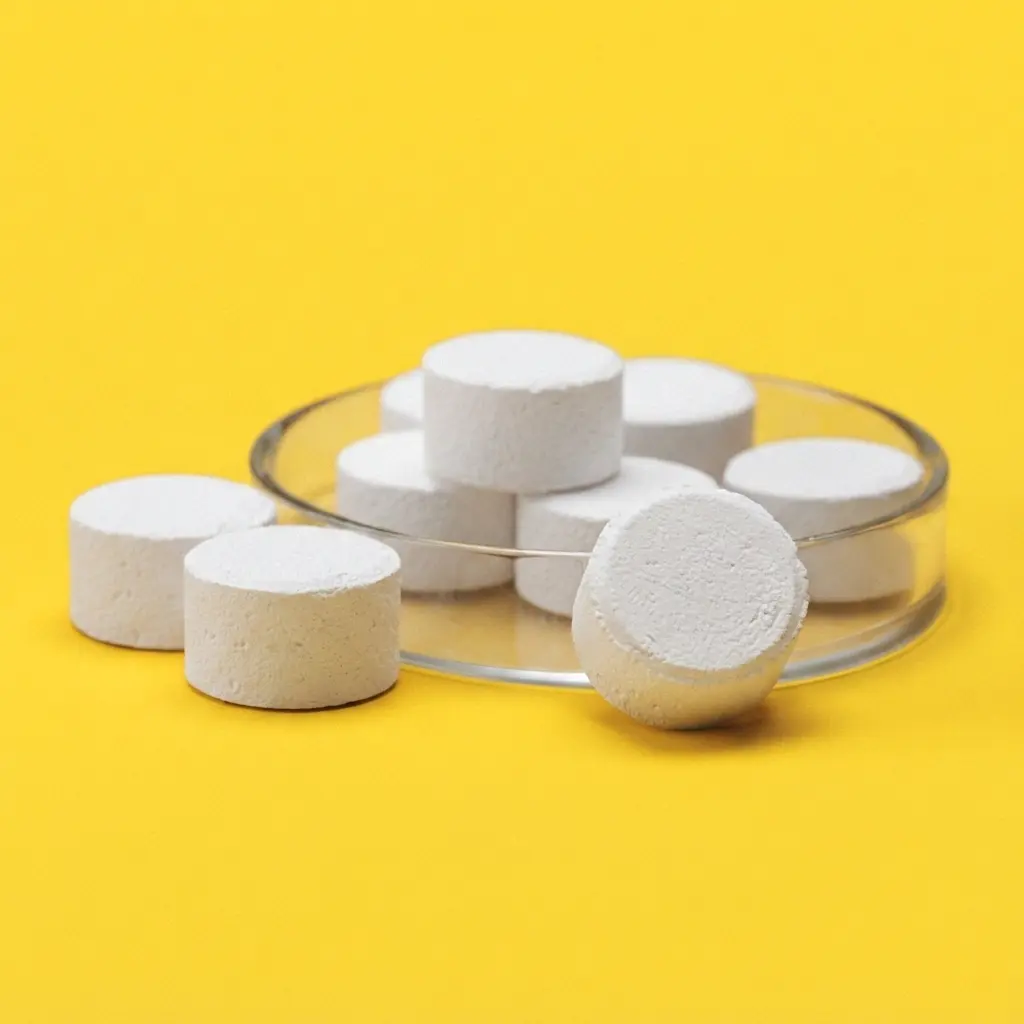
TCCA for Swimming Pool Care: Comparing Chlorine Tablets and Their Water Chemistry Effects
Maintaining clean and balanced swimming pool water requires consistent disinfection, regular testing, and appropriate chemical management. Chlorine tablets are widely used because they provide a convenient source of active chlorine for controlling bacteria, algae, and other unwanted microorganisms. Among the available options, trichloroisocyanuric acid (TCCA) tablets are valued for their concentrated available chlorine content and practical solid formulation.
Choosing a suitable chlorine product involves more than comparing tablet size or price. Pool operators need to understand how different formulations dissolve, how they influence water chemistry, and what monitoring they require. When evaluating TCCA for Swimming Pool applications, important considerations include free chlorine levels, pH, cyanuric acid accumulation, circulation, and compatibility with the pool’s dosing equipment. These factors help support effective sanitation and stable water conditions.
What Is TCCA and How Does It Work in Swimming Pools?
TCCA, or trichloroisocyanuric acid, is an organic chlorine compound used in selected pool-water disinfection programs. When it reacts with water, it releases active chlorine, which provides the oxidizing action responsible for controlling susceptible microorganisms.
Commercial TCCA products are often specified at approximately 90% available chlorine, although the actual specification should be confirmed through the manufacturer’s technical documentation and batch certificate of analysis.
TCCA is available in different forms, including tablets, granules, and powder. Tablets are particularly convenient for certain pool-feeding systems because they provide a solid product that dissolves over time under suitable conditions.
However, TCCA is not identical to every other pool chlorine product. Its effect on cyanuric acid levels is an important distinction that should be considered in ongoing water management.
Comparing TCCA Tablets with Other Pool Chlorine Products
Several chlorine-based products are used in swimming pool maintenance. Their chemical composition, available chlorine content, dissolution behavior, and effects on water chemistry differ.
TCCA Chlorine Tablets
TCCA tablets are stabilized chlorine products. They release active chlorine while also contributing cyanuric acid to the pool water.
Their relatively high available chlorine content and solid form make them suitable for certain routine chlorination programs. However, repeated use can cause cyanuric acid to accumulate, requiring regular testing and appropriate water-management measures.
Calcium Hypochlorite
Calcium hypochlorite is an unstabilized chlorine compound used in some pool-treatment programs. It provides available chlorine without adding cyanuric acid, but it contributes calcium to the water.
This can be an important consideration in pools where calcium hardness is already elevated. Operators should monitor calcium hardness and other water-quality parameters when using calcium-based products.
Sodium Hypochlorite
Sodium hypochlorite is a liquid chlorine product commonly used in swimming pool treatment. It does not add cyanuric acid or calcium, but its storage stability and concentration can change over time, particularly under unsuitable storage conditions.
Because it is a liquid, it may require different storage and dosing arrangements from solid chlorine tablets.
How TCCA Influences Swimming Pool Water Chemistry
TCCA affects several important water-quality parameters. Understanding these effects helps pool operators avoid imbalances and maintain appropriate disinfection conditions.
Free Chlorine Levels
Free chlorine is the portion of chlorine available for disinfection in pool water. It helps control microorganisms and is therefore one of the most important routine testing parameters.
The actual free chlorine residual depends on product use, sunlight, swimmer activity, organic contamination, water circulation, and other factors. Operators should test the water regularly and adjust the treatment program according to pool conditions and applicable guidance.
Adding a specified quantity of tablets does not automatically establish the final free chlorine concentration.
Cyanuric Acid Accumulation
One of the most important characteristics of TCCA is that it contributes cyanuric acid as it dissolves. Cyanuric acid acts as a chlorine stabilizer by reducing chlorine loss caused by ultraviolet sunlight.
However, excessive accumulation can reduce chlorine’s disinfection effectiveness. For this reason, pool operators should monitor cyanuric acid levels alongside free chlorine and pH.
If cyanuric acid becomes too high, water replacement or other corrective measures may be needed according to the pool’s management requirements.
pH Changes
TCCA is an acidic chlorine compound and can influence pool-water pH during use. The overall effect depends on the product, water chemistry, and treatment conditions.
Regular pH testing is important because pH affects swimmer comfort, equipment protection, and chlorine chemistry. Operators should maintain pH within the range recommended by applicable pool standards and product guidance.
Total Dissolved Solids
Repeated chemical additions can contribute to changes in the overall dissolved-solids content of pool water. Although TCCA management is primarily associated with chlorine and cyanuric acid, total dissolved solids may also be included in broader water-quality assessments.
Testing and suitable water replacement practices can help maintain balanced pool conditions.
Dissolution Characteristics and Tablet Selection
TCCA tablets are available in different sizes and formulations. Their dissolution behavior influences how chlorine enters the pool water and how they fit into a particular feeding system.
Tablet Size and Weight
Common product variations include different tablet weights, diameters, and thicknesses. Larger tablets contain more material per unit, while smaller tablets may offer greater flexibility in certain dosing arrangements.
The correct size depends on the equipment design and manufacturer’s instructions. Tablet dimensions should be compatible with the feeder or dispenser being used.
Tablet Hardness
Tablet hardness affects resistance to breakage during transportation, handling, and storage. Adequate compression strength helps preserve the tablet’s physical form.
However, excessive hardness may influence dissolution behavior. Manufacturers must balance tablet durability with the intended release characteristics.
Water Temperature and Circulation
Dissolution can be influenced by water temperature, flow, and contact conditions. A tablet may dissolve differently in a feeder with controlled water flow than in a different environment.
Pool operators should use only the feeding equipment and application method specified for the product. Direct placement of tablets in unsuitable locations can create highly concentrated chemical conditions and may damage pool surfaces or equipment.
Best Practices for Managing Pool Water with TCCA
Effective use of TCCA requires a consistent testing and maintenance routine. Pool operators should consider the following practices:
- Test free chlorine and pH regularly.
- Monitor cyanuric acid when using stabilized chlorine products.
- Maintain appropriate water circulation and filtration.
- Remove leaves, debris, and other organic contaminants.
- Clean filters and pool surfaces according to maintenance schedules.
- Use compatible tablet feeders or dispensers.
- Follow the manufacturer’s product instructions.
- Record water-test results and chemical adjustments.
A regular monitoring schedule helps identify changes before they become larger water-quality problems.
Storage and Handling Safety
TCCA is a strong oxidizer and must be handled with care. Proper storage helps preserve product quality and reduces the risk of hazardous chemical reactions.
Keep Tablets Dry
Store TCCA in its original, tightly closed packaging in a cool, dry, well-ventilated area. Protect it from moisture, rain, and excessive humidity.
Keep Away from Incompatible Chemicals
TCCA must be stored separately from acids, ammonia, reducing agents, oils, grease, combustible materials, and other incompatible substances. Never mix it with other pool chemicals or cleaning products, as dangerous reactions and hazardous gas release may occur.
Use Suitable Protective Equipment
Follow the safety data sheet and workplace risk assessment when handling TCCA. Appropriate chemical-resistant gloves, eye protection, and protective clothing may be required.
Avoid breathing dust and prevent direct contact with skin and eyes. Keep containers clearly labeled and ensure that storage areas are accessible only to trained personnel.
How to Choose a Reliable TCCA Product
Product selection should consider chemical specifications, physical quality, packaging, and supplier documentation.
Verify Available Chlorine
Check the stated available chlorine content and request a certificate of analysis for the supplied batch. This helps confirm that the product meets the manufacturer’s specifications.
Examine Tablet Consistency
Tablets should have consistent dimensions and adequate physical strength. Excessive cracking, crumbling, or signs of moisture exposure may indicate handling or packaging problems.
Review Technical Documentation
A reliable supplier should provide a technical data sheet and safety data sheet. These documents explain product characteristics, application limitations, storage requirements, and handling precautions.
Assess Supplier Reliability
Buyers should consider batch traceability, manufacturing consistency, packaging quality, and the supplier’s ability to provide clear technical support. Consistent documentation helps pool operators make informed purchasing decisions.
Conclusion
TCCA tablets offer a convenient source of stabilized chlorine for suitable swimming pool disinfection programs. Their high available chlorine content and solid formulation can support routine pool maintenance, but their contribution to cyanuric acid makes regular water testing especially important.
Pool operators should monitor free chlorine, pH, and cyanuric acid while maintaining proper circulation and filtration. Comparing TCCA with other chlorine products also helps identify the most suitable option for a pool’s water chemistry and operating requirements. Careful product selection, safe handling, and consistent monitoring are essential for maintaining clean, balanced, and properly managed swimming pool water.


