
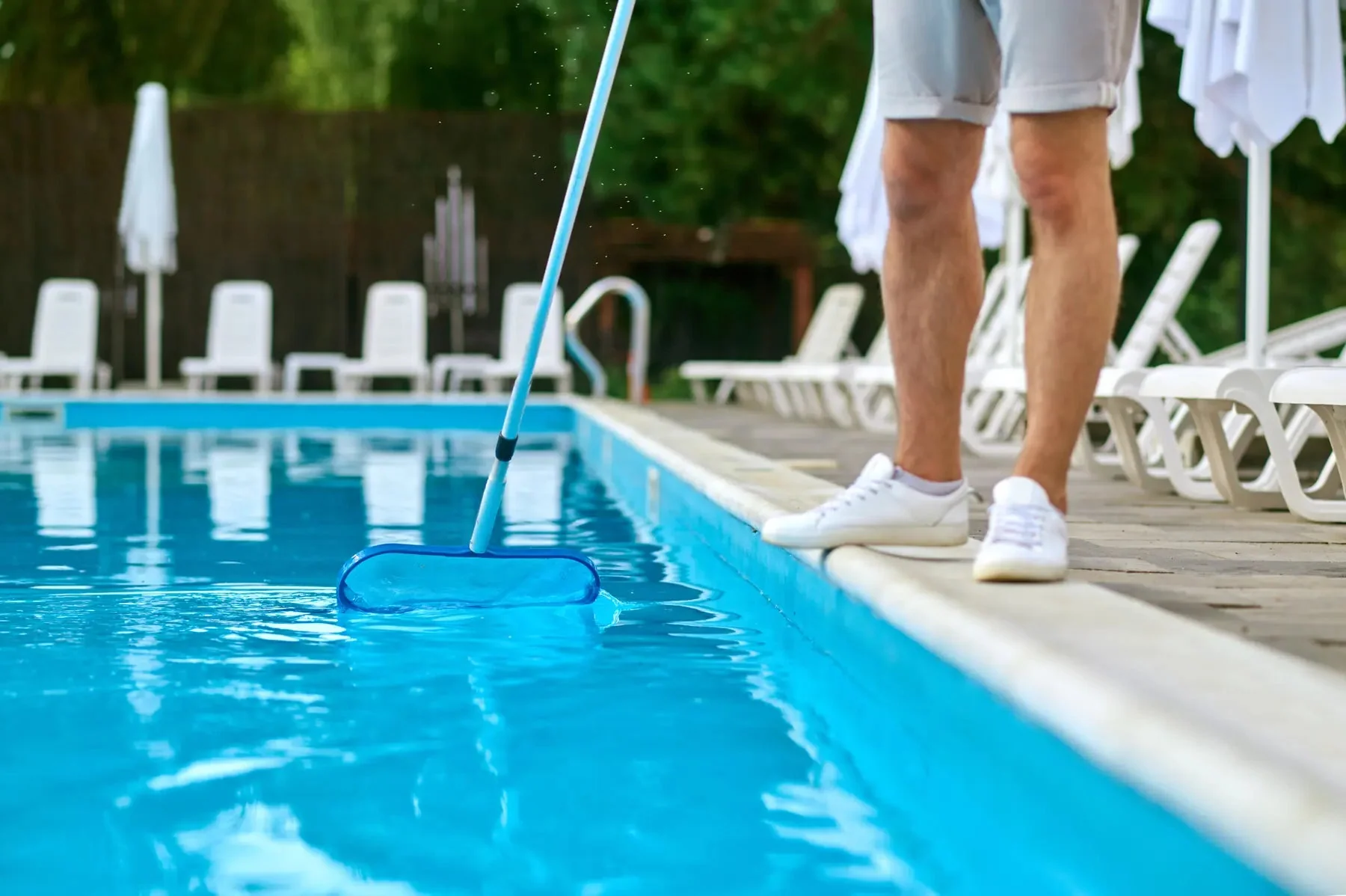
Swimming Pool Solutions for Better Water Circulation and Filtration
Clean, clear swimming pool water depends on more than regular cleaning and chemical treatment. Effective circulation and filtration are essential for distributing treated water, removing suspended debris, and maintaining consistent water quality throughout the pool. When these systems work properly, homeowners can manage maintenance more efficiently and help protect pool equipment from unnecessary wear.
Choosing appropriate Swimming Pool Solutions can help improve water movement, filtration performance, and overall pool maintenance. Whether you are installing a new swimming pool or upgrading an existing system, understanding how pumps, filters, plumbing, and water treatment work together can help you make informed decisions and maintain a healthier swimming environment.
Why Water Circulation Matters
Water circulation moves water through the pool’s plumbing and filtration system before returning it to the swimming area. This process helps distribute sanitizer, transport suspended particles toward the filter, and reduce areas where debris can accumulate.
Without adequate circulation, some parts of the pool may receive less effective water treatment than others. This can contribute to cloudy water, uneven chemical distribution, and conditions that encourage algae growth.
Good circulation does not eliminate the need for chemical testing or surface cleaning. Instead, it supports these activities by helping the filtration and sanitation systems work more consistently.
Understand the Main Components of a Pool Circulation System
A typical swimming pool circulation system includes several interconnected components. Each plays a specific role in moving water and maintaining its quality.
Pool Pump
The pump creates the flow needed to move water through the filtration and treatment equipment. Its capacity should match the pool’s size, plumbing configuration, and filtration requirements.
An undersized pump may not provide adequate flow, while an unnecessarily powerful pump can increase electricity use and operating costs. Selecting an appropriately sized model is therefore important for both performance and efficiency.
Skimmers and Main Drains
Skimmers draw water from the surface, helping collect floating debris such as leaves, insects, and other particles. Main drains or designated suction outlets help move water from lower areas of the pool, depending on the system’s design.
These components work with return outlets to support circulation. Their configuration should follow applicable safety requirements, including regulations governing suction outlets and entrapment prevention.
Return Jets
Return jets send filtered water back into the pool. Their position and direction influence how water moves through the swimming area.
Properly adjusted returns can help reduce stagnant areas and direct debris toward skimmers or other collection points. If certain areas repeatedly collect dirt, the circulation pattern may need to be reviewed.
Select the Right Pool Filtration System
Filtration removes suspended particles from circulating water, helping the pool remain clear and reducing the burden on other maintenance tasks. Different filter types offer different advantages, maintenance requirements, and operating considerations.
Sand Filters
Sand filters pass water through a bed of filtration media that captures particles. They are widely used in residential pools and can provide reliable performance when correctly sized and maintained.
Depending on the filter design, cleaning typically involves backwashing or another manufacturer-approved procedure. Backwashing uses water to remove accumulated debris, so it should be performed when needed rather than unnecessarily.
Cartridge Filters
Cartridge filters use replaceable or reusable filter elements to capture debris. They are often convenient for homeowners who prefer a cleaning process that does not routinely require backwashing.
The cartridges must be removed and cleaned according to the manufacturer’s instructions. Over time, they may need replacement to maintain effective filtration.
Diatomaceous Earth Filters
Diatomaceous earth filters use a fine filtration medium to capture very small particles. They can provide high levels of water clarity but may involve more detailed maintenance and careful handling of the filter material.
The correct choice depends on the pool’s size, desired water clarity, maintenance preferences, and local requirements. A professional can help determine which system best matches your installation.
Choose an Efficient Pool Pump
Pump selection has a direct effect on circulation quality and energy consumption. A suitable pump should deliver the flow required by the filtration system without using more power than necessary.
Variable-speed pumps allow the motor to operate at different speeds according to the pool’s needs. Lower speeds may be sufficient for routine circulation, while higher speeds can be used when required for specific equipment or cleaning tasks.
When evaluating a pump, consider its flow rate, energy consumption, noise level, compatibility with existing plumbing, and maintenance requirements. A qualified installer can calculate the appropriate operating conditions based on the entire system rather than the pump alone.
Regularly cleaning pump baskets and checking for obstructions can also help maintain consistent performance.
Optimize Plumbing for Better Water Flow
The pool’s plumbing layout influences how easily water travels between the swimming area, pump, filter, and return outlets. Poorly designed or obstructed plumbing can restrict flow and increase the energy required to circulate water.
For new installations, properly sized pipes and a well-planned layout can help reduce unnecessary resistance. Avoiding excessive restrictions and ensuring that valves are configured correctly can also support effective circulation.
For existing pools, inspect accessible pipes, fittings, valves, and connections for visible leaks or damage. Sudden changes in pressure or flow may indicate a blockage, air leak, or equipment problem.
Plumbing modifications should be handled by a qualified professional, particularly when they affect suction lines, pressure-rated components, or pool safety systems.
Maintain Appropriate Circulation Schedules
Running the pump for the right amount of time helps ensure that water passes through the filtration system sufficiently. However, there is no universal operating schedule that works for every pool.
Required circulation depends on factors such as pool volume, pump performance, filter capacity, water temperature, swimmer activity, and environmental conditions. A pool used frequently during hot weather may need more attention than one used occasionally in cooler conditions.
Follow the recommendations for your equipment and adjust operation based on water quality and actual usage. Avoid shortening pump schedules solely to reduce electricity costs if doing so compromises filtration or sanitation.
Programmable controls can help coordinate circulation with periods of use and suitable electricity rates. Any schedule should still provide the flow and filtration needed to maintain safe water quality.
Keep Filters Clean and Well Maintained
Even an appropriately selected filter cannot perform effectively when it is clogged or neglected. Accumulated debris can restrict flow, increase system pressure, and reduce filtration efficiency.
Monitor the filter pressure gauge, if available, and compare readings with the clean-filter baseline recommended by the manufacturer. A sustained increase may indicate that cleaning or maintenance is needed.
The appropriate cleaning method depends on the filter type. Sand and diatomaceous earth filters may require backwashing under specified conditions, while cartridge filters are generally cleaned by removing and rinsing the elements.
Avoid unnecessary cleaning or using unsuitable chemicals, as these practices can damage filter media or components. Regular inspections and proper maintenance help extend equipment life and maintain consistent performance.
Support Filtration With Balanced Water Chemistry
Filtration and chemical treatment perform different but complementary functions. Filters remove suspended particles, while sanitizers help control microorganisms that cannot reliably be removed by ordinary mechanical filtration alone.
Maintain the sanitizer concentration and water chemistry recommended for your pool system. For many traditionally chlorinated residential pools, pH is commonly maintained within a range of 7.2 to 7.8, subject to the applicable product instructions and local guidance.
Test the water regularly and increase monitoring after heavy use, significant rainfall, or periods of unusually warm weather. Poor chemical balance can affect sanitation performance and contribute to scale, corrosion, or surface damage.
Never rely on clear-looking water as the only indicator of safety. Proper testing, effective circulation, and appropriate sanitation are all necessary.
Recognize Signs of Poor Circulation or Filtration
Identifying problems early can help prevent more extensive maintenance issues. Several warning signs suggest that the circulation or filtration system may need attention.
- Cloudy water that persists despite appropriate treatment.
- Debris collecting repeatedly in the same corners or along the pool floor.
- Weak return-jet flow or noticeable changes in circulation.
- Unusual pump noises, leaks, or frequent loss of prime.
- Filter pressure readings that remain outside the recommended operating range.
- Recurring algae growth despite proper cleaning and water treatment.
These symptoms can have several causes, so avoid assuming that the filter alone is responsible. Check basic maintenance items and water chemistry first, then consult a pool professional if the issue continues.
Improve Energy Efficiency Without Compromising Water Quality
Efficient circulation can reduce operating costs while maintaining the performance required for clean water. The goal is to use the right equipment and operating schedule rather than simply minimizing pump runtime.
Consider these practical measures:
- Use an appropriately sized pump and filter.
- Maintain clean baskets, filters, and accessible plumbing components.
- Use variable-speed pump settings where suitable.
- Inspect for leaks and restrictions that may affect performance.
- Coordinate automated schedules with actual pool usage.
- Keep water chemistry balanced to support effective treatment.
Pool covers can also help reduce evaporation and heat loss, particularly in heated pools. Although covers do not directly replace filtration, they can reduce the amount of debris entering the water and help limit some maintenance demands.
When to Upgrade Your Circulation and Filtration System
Older pools may benefit from equipment upgrades when components become unreliable, inefficient, or unsuitable for the pool’s current needs. Replacing an aging pump, changing filter technology, or correcting plumbing restrictions may improve performance.
Before investing in new equipment, assess the entire circulation system. Installing a more powerful pump will not necessarily solve a poorly designed plumbing layout or an incorrectly sized filter.
A qualified pool technician can measure flow, evaluate pressure readings, inspect equipment, and identify the source of persistent problems. Comparing the estimated energy savings, installation costs, and expected service life can help determine whether an upgrade is worthwhile.
Maintain a Reliable Pool Circulation Routine
Better water circulation and filtration depend on a combination of appropriate equipment, correct installation, regular maintenance, and consistent water testing. Pumps move the water, filters capture suspended debris, and sanitation systems help control microorganisms.
Start by understanding your pool’s circulation layout and checking that each component is operating as intended. Clean baskets and filters according to manufacturer guidance, monitor water chemistry, and investigate changes in flow or clarity promptly.
With a properly maintained system, homeowners can support cleaner water, reduce avoidable equipment strain, and make pool care more manageable throughout the swimming season.


