
Maintenance Tips for Weather Station Sensors
Weather stations play a crucial role in providing accurate environmental data for agriculture, research, urban planning, and disaster preparedness. The effectiveness of a weather station depends heavily on the quality and performance of its sensors. Maintaining these sensors ensures reliable readings, extends their lifespan, and maximizes the value of the data collected. Proper care and regular maintenance are essential for achieving consistent performance from your weather monitoring system.
Weather Station Sensors include devices that measure temperature, humidity, wind speed and direction, rainfall, and solar radiation. Regular maintenance of these sensors not only ensures accuracy but also prevents damage caused by environmental factors such as dust, rain, wind, and temperature fluctuations. By following a systematic maintenance routine, users can maintain the reliability and efficiency of their weather stations.
Regular Cleaning of Sensors
Dust, leaves, bird droppings, and other debris can accumulate on weather station sensors over time, affecting their accuracy. Cleaning the sensors regularly is essential to maintain precise measurements. Use a soft brush, cloth, or compressed air to remove dirt from temperature, humidity, and solar radiation sensors. Rain gauges should be cleared of debris to prevent inaccurate precipitation readings.
For wind sensors such as anemometers and wind vanes, ensure that moving parts are free from obstructions and rotate smoothly. Cleaning these components prevents measurement errors and reduces wear and tear caused by friction or debris accumulation.
Inspecting and Securing Mounts
Weather station sensors are often exposed to harsh outdoor conditions, including high winds, heavy rain, and snow. Regularly inspecting mounts and brackets ensures that sensors remain securely positioned. Loose or tilted sensors can produce inaccurate readings, especially for wind speed, wind direction, and rainfall measurements.
Check that all bolts, screws, and clamps are tight, and replace any corroded or damaged hardware. Properly secured sensors also reduce the risk of equipment damage during storms or extreme weather events, ensuring long-term reliability.
Calibration and Accuracy Checks
Even high-quality sensors can drift over time, affecting data accuracy. Periodic calibration is essential for maintaining precise measurements. Follow manufacturer guidelines for calibrating temperature, humidity, wind, and rainfall sensors. Many weather station sensors can be compared against reference instruments or standard calibration devices to verify accuracy.
Conducting regular calibration checks helps identify any inconsistencies and ensures that data remains reliable for decision-making. Keeping a log of calibration activities can also assist in tracking sensor performance and scheduling future maintenance.
Protecting Sensors from Environmental Damage
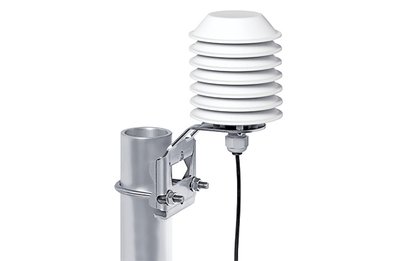
Weather station sensors are built to withstand outdoor conditions, but additional precautions can help prevent damage and extend their lifespan. UV exposure, heavy rain, ice, and extreme temperatures can affect sensor performance over time. Protective shields or housings for temperature and humidity sensors can reduce the impact of sunlight and precipitation.
For regions with heavy snowfall or ice, ensure that rain gauges and anemometers are clear of snow accumulation. Installing lightning protection and grounding systems can also safeguard electronic components from electrical surges during storms.
Checking Wiring and Connectivity
Many weather station sensors rely on wired or wireless connections to transmit data to the logger or cloud platform. Regularly inspect cables for wear, corrosion, or loose connections. For wireless sensors, ensure that battery levels are sufficient and signal strength is consistent.
Reliable connectivity is essential for uninterrupted data collection. Addressing wiring or communication issues promptly prevents gaps in monitoring and ensures that data remains accurate and timely.
Software Updates and Data Management
In addition to physical maintenance, keeping the weather station software and firmware up-to-date is important. Manufacturers often release updates that enhance sensor accuracy, connectivity, or add new features. Installing updates ensures optimal performance and compatibility with data logging platforms.
Regularly backing up collected data also protects against loss and allows for long-term trend analysis. Organized data management facilitates efficient reporting, analysis, and decision-making.
Scheduled Inspections and Preventive Maintenance
Establishing a maintenance schedule helps ensure consistent performance and prevents unexpected failures. Conduct inspections monthly or quarterly, depending on the environmental conditions and sensor exposure. Preventive maintenance reduces the risk of downtime and keeps the weather station running efficiently.
Document all maintenance activities, including cleaning, calibration, and hardware inspections. This record provides a reference for troubleshooting and helps optimize future maintenance routines.
Conclusion
Proper maintenance of weather station sensors is essential for ensuring accurate and reliable environmental data. Regular cleaning, inspection, calibration, protection from environmental damage, connectivity checks, and software updates all contribute to sensor longevity and performance.
By implementing a systematic maintenance routine, users can maximize the accuracy and usefulness of their weather stations. Well-maintained sensors provide consistent, actionable data for agriculture, research, urban planning, and disaster management, ultimately enhancing decision-making and operational efficiency over the long term.


