
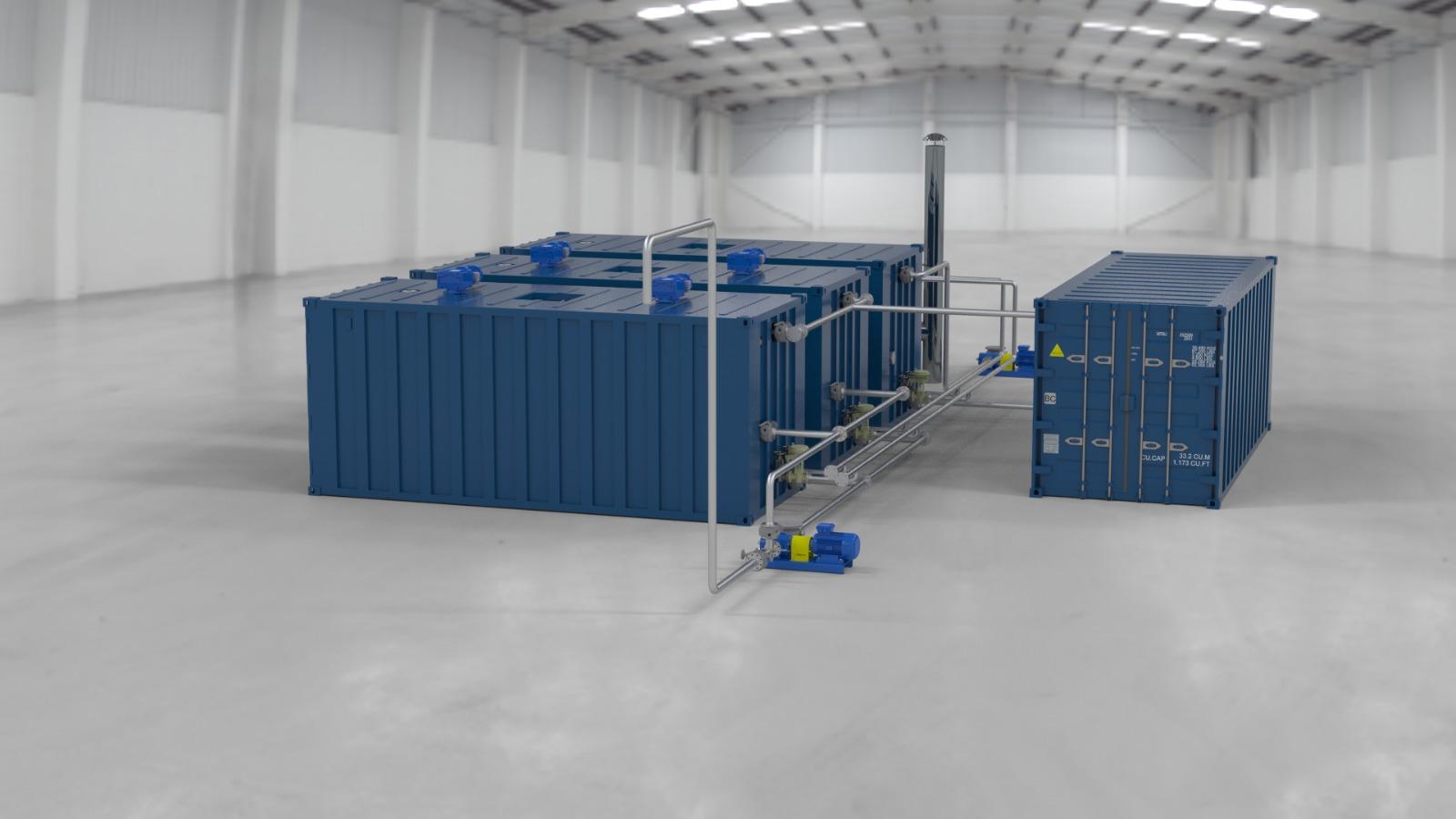
How to Choose the Right Bitumen Container for Safe Transportation and Storage
Bitumen is widely used in road construction, waterproofing, roofing, and various industrial applications. Because it is typically handled at elevated temperatures and can become highly viscous as it cools, transporting and storing it requires specialized containers designed for demanding operating conditions. Choosing an unsuitable container can lead to heat loss, material solidification, leakage, handling difficulties, and unnecessary operational expenses.
Selecting the right Bitumen Container involves evaluating capacity, insulation, heating arrangements, structural strength, and transportation requirements. The best solution depends on the type of bitumen, storage duration, delivery distance, and conditions at the destination. Understanding these factors helps contractors and industrial operators protect material quality while maintaining safe and efficient handling procedures.
Understanding the Purpose of a Bitumen Container
A bitumen container is designed to hold and transport bituminous materials while protecting them from contamination, leakage, and unsuitable temperature changes. Depending on its construction and intended application, it may be used for temporary storage, long-distance transportation, or transferring material between production facilities and construction sites.
Common applications include:
- Delivering bitumen to road construction projects.
- Storing bituminous materials at industrial facilities.
- Supplying asphalt mixing plants.
- Transporting materials for waterproofing applications.
- Supporting maintenance and infrastructure projects.
- Managing bitumen distribution between suppliers and contractors.
Different applications require different container designs. A solution intended for short-distance delivery may not provide the insulation or heating capabilities needed for extended transportation.
1. Determine the Required Container Capacity
Capacity is one of the first considerations when selecting a container. The appropriate size depends on material demand, transportation arrangements, storage facilities, and project schedules.
A container with insufficient capacity may require frequent deliveries, increasing transportation costs and creating interruptions. Conversely, excessive capacity can increase handling requirements and leave material unused for longer periods.
Before purchasing, consider:
Daily material consumption: Estimate how much bitumen the project or facility uses during normal operations.
Delivery frequency: Evaluate how often material can be supplied and whether transportation schedules are reliable.
Project scale: Match container capacity to the requirements of road construction, asphalt production, or industrial applications.
Handling limitations: Check vehicle payload limits, lifting equipment capacity, and site access restrictions.
Storage duration: Consider whether the material will be used immediately or held for an extended period.
Capacity should be selected according to the container’s rated specifications and applicable transportation requirements.
2. Evaluate Construction Materials and Structural Strength
The container’s construction material influences its durability, corrosion resistance, weight, and ability to withstand operating conditions.
Carbon Steel Construction
<AsyncImage query=”industrial steel bitumen transport container cylindrical tank” aspectRatio=”16:9″ width=”100%”/>
Carbon steel is commonly used for industrial containers because of its strength and suitability for many bitumen storage applications. Properly designed steel structures can withstand the mechanical demands associated with loading, unloading, and transportation.
Protective coatings and regular inspections may be necessary to manage corrosion, particularly when containers are exposed to moisture or outdoor environments.
Stainless Steel Components
Stainless steel may be used in specialized applications where improved corrosion resistance is required. Its suitability depends on the bitumen grade, temperature conditions, and contact materials.
Although stainless steel can involve higher initial costs, it may provide advantages in environments where corrosion control is especially important.
Structural Design Considerations
Regardless of the selected material, the container should have suitable wall thickness, reinforced connections, secure closures, and reliable support structures. Weld quality and manufacturing standards are also important factors when evaluating overall construction quality.
3. Check Thermal Insulation Performance
Temperature management is particularly important when transporting hot bitumen. As the material cools, its viscosity increases, making pumping and discharge more difficult.
Insulation helps reduce heat loss and maintain more stable material temperatures during transportation and temporary storage.
Important factors include:
- Insulation material and thickness.
- Thermal resistance under expected operating conditions.
- Protection against moisture penetration.
- Durability under vibration and outdoor exposure.
- Quality of insulation around openings and connections.
- Ease of inspecting and maintaining insulated surfaces.
The required insulation level depends on the starting temperature, transportation duration, ambient conditions, and characteristics of the bitumen.
4. Understand Heating System Options
Some bitumen containers include heating arrangements to maintain suitable material temperatures or support controlled discharge. The heating method should be selected according to the container design and the material’s handling requirements.
Thermal Oil Heating
Thermal oil systems circulate heated fluid through designated heating components. This arrangement can provide controlled heat transfer and is used in various industrial bitumen-handling applications.
Electric Heating
Electric heating elements may be suitable for certain stationary or specialized container designs. Their use depends on available power, required heating capacity, temperature controls, and electrical safety provisions.
Direct Heating Systems
Some equipment uses direct-fired heating arrangements. These require carefully designed combustion systems, temperature monitoring, and appropriate safeguards to prevent localized overheating.
Heating systems should always be operated within manufacturer-approved limits. Excessive temperatures can affect bitumen quality and increase safety risks.
5. Consider Loading and Unloading Arrangements
Efficient material transfer is essential for reducing handling time and minimizing the risk of spills. A container should provide connections and access points suited to the facility’s pumping and transfer equipment.
<AsyncImage query=”industrial bitumen tank unloading heated asphalt material through transfer pipe” aspectRatio=”16:9″ width=”100%”/>
Important features may include:
Discharge valves: Properly rated valves help control material flow and support secure unloading.
Pumping connections: Inlet and outlet arrangements should match the dimensions and pressure requirements of the transfer system.
Inspection openings: Suitable access points support inspection and cleaning procedures.
Secure closures: Properly designed covers and fittings help prevent contamination and unintended material release.
Drainage arrangements: Appropriate connections can assist with controlled emptying and maintenance.
The container’s discharge design should also account for bitumen viscosity and the operating temperature required for effective transfer.
6. Assess Transportation Compatibility
A container must be suitable for the vehicle, route, and handling method used during delivery. Transportation requirements influence its dimensions, weight, support structure, and securing arrangements.
Before selecting a design, evaluate:
- Overall dimensions and loaded weight.
- Vehicle payload and axle limitations.
- Lifting and handling arrangements.
- Mounting and securing points.
- Stability during movement.
- Road access and site restrictions.
- Applicable transportation regulations.
Containers should be secured using approved methods to prevent movement during transit. Any transport-specific heating or electrical equipment must also be suitable for the intended operating environment.
7. Prioritize Safety Features
Hot bitumen can cause severe burns, while poorly controlled heating and material transfer may create additional hazards. Safety features should therefore be considered essential rather than optional.
Temperature Monitoring
Temperature sensors and readable indicators help operators monitor material conditions and identify abnormal temperature changes.
Pressure Protection
Where the design involves pressure or heating-related pressure risks, suitable pressure protection devices should be incorporated according to engineering requirements.
Emergency Controls
Heating and transfer systems should have appropriate isolation arrangements so operators can stop equipment when unsafe conditions arise.
Secure Access and Venting
Access covers, vents, and inspection openings should be designed to support safe operation and prevent unintended exposure.
Spill Prevention
Secure connections, suitable valves, and controlled transfer procedures help reduce the possibility of leaks and spills.
Operators should receive training in hot-material handling and use suitable protective clothing, gloves, eye protection, and safety footwear.
8. Examine Maintenance Requirements
Regular maintenance helps preserve container performance and reduces the likelihood of unexpected failures during transportation or storage.
A practical inspection routine should include:
- Checking the exterior for corrosion, dents, and structural damage.
- Inspecting welds, joints, valves, and pipe connections.
- Examining insulation for damage or moisture penetration.
- Testing temperature sensors and control devices.
- Inspecting heating components according to manufacturer instructions.
- Checking closures and seals for wear.
- Cleaning the container using approved procedures when required.
- Maintaining records of inspections, repairs, and servicing.
Internal inspections and cleaning must follow appropriate isolation, ventilation, and confined-space safety procedures. Maintenance work should only be performed by qualified personnel using approved methods.
9. Compare Operating Costs and Long-Term Value
The purchase price alone does not determine whether a container is a suitable investment. Insulation quality, heating efficiency, maintenance requirements, and expected service life all influence total ownership costs.
When comparing options, consider:
- Initial purchase and installation expenses.
- Heating energy consumption.
- Heat retention during transportation.
- Inspection and servicing costs.
- Availability of replacement components.
- Compatibility with existing transfer equipment.
- Manufacturer support and technical documentation.
A well-designed container may cost more initially but provide better long-term value through reduced heat loss, easier handling, and fewer maintenance interruptions.
Common Mistakes to Avoid When Choosing a Bitumen Container
Several selection mistakes can create unnecessary operating difficulties.
Ignoring insulation requirements: Insufficient insulation can lead to excessive cooling and difficult unloading.
Choosing capacity without planning demand: Incorrect sizing may increase transportation costs or interrupt material supply.
Overlooking discharge compatibility: Incompatible valves and connections can complicate material transfer.
Selecting unsuitable heating equipment: Heating arrangements must match the container design and operating conditions.
Neglecting transportation limits: Loaded weight, dimensions, and securing requirements must be checked before use.
Ignoring maintenance access: Containers should allow appropriate inspection of structural components, connections, insulation, and heating systems.
Conclusion
Choosing the right bitumen container requires careful evaluation of capacity, construction materials, insulation, heating systems, transfer arrangements, and transportation compatibility. Safety features and maintenance accessibility are equally important for protecting workers, preventing material loss, and supporting dependable operations.
By matching container specifications to the bitumen type and intended application, businesses can improve handling efficiency and maintain more consistent material conditions. A durable, properly insulated, and well-maintained container supports safer transportation and reliable storage throughout road construction and industrial projects.


