
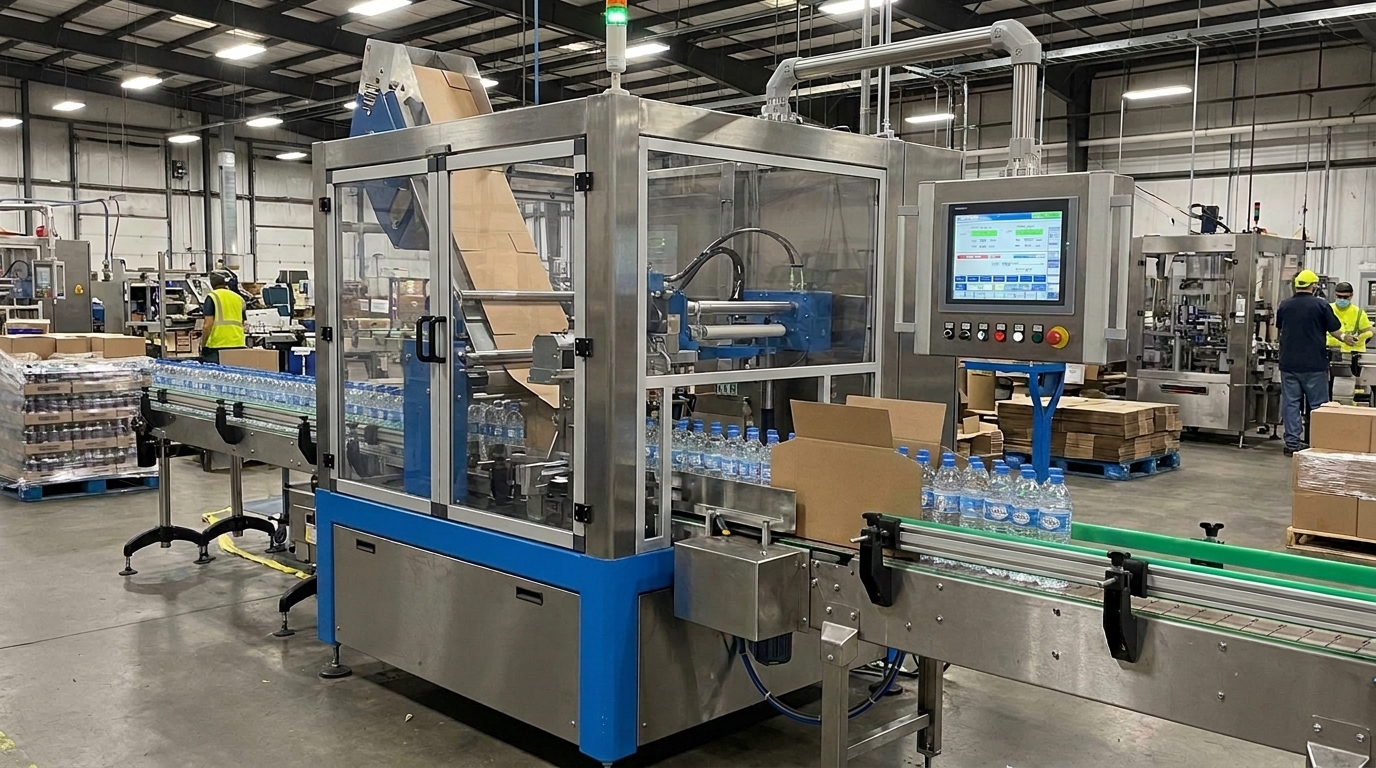
How Do You Maintain a Wrap Around Packer?
Regular maintenance helps packaging equipment perform reliably over long production runs. Dust, cardboard particles, adhesive buildup, worn components, and loose connections can gradually affect machine performance. A simple maintenance routine helps production teams catch these issues before they create unexpected downtime.
A wrap around packer contains conveyors, carton handling systems, folding mechanisms, sensors, controls, and sealing components that need regular attention. Techflow Pack understands that keeping these systems clean, aligned, and properly adjusted plays an important role in maintaining dependable case packing performance.
Start With a Daily Inspection
Operators should perform a quick visual inspection before starting production.
Look for loose components, damaged guards, unusual buildup, carton debris, adhesive residue, and anything that appears different from normal machine conditions.
A few minutes of inspection can reveal problems before they develop into production interruptions.
Keep the Machine Clean
Cardboard produces dust and small particles during normal operation. These materials can collect around conveyors, guides, folding mechanisms, and other moving areas.
Operators should remove accumulated debris according to the machine manufacturer’s cleaning instructions.
Keeping the equipment clean helps components move properly and makes it easier to spot developing problems.
Check the Product Conveyors
Conveyors handle products throughout the packing process, so their condition directly affects product movement.
Inspect belts, guides, rollers, and other conveyor components for signs of wear or misalignment. Product movement should remain smooth without unusual noise or repeated interruptions.
A conveyor that drifts or develops excessive wear may affect product positioning further down the line.
Inspect Carton Feeding Components
The carton feeding system needs consistent movement to supply blanks to the forming section.
Check the carton magazine, feeding mechanisms, guides, and related components for cardboard buildup or signs of wear.
Operators should also make sure the carton blanks match the required specifications. Poor-quality or damaged blanks may create feeding problems even when the machine itself works correctly.
Monitor Folding Components
Folding mechanisms work continuously during production, which makes them important maintenance points.
Check folding guides and other contact components for wear, damage, or buildup. Misaligned parts may cause cartons to fold incorrectly or create inconsistent case shapes.
Early adjustment can prevent small alignment problems from affecting a larger production run.
Maintain the Glue System
Adhesive systems require particular attention when the machine uses hot-melt glue.
Glue residue can accumulate around application components and affect the consistency of adhesive placement. Operators should follow the equipment manufacturer’s cleaning and maintenance procedures.
The adhesive system should also operate within the recommended conditions for the selected glue.
Check Glue Application Quality
Finished cases provide a useful indication of adhesive performance.
During routine production checks, look for loose flaps, weak seams, excessive adhesive, or glue appearing in unintended areas.
A change in glue appearance may indicate an issue with temperature, application, timing, or carton positioning.
Inspect Sensors
Sensors help the machine detect products, cartons, positions, and operating conditions.
Dust or cardboard particles may interfere with sensor performance. Regular inspection and appropriate cleaning help maintain accurate detection.
Operators should follow the manufacturer’s instructions when cleaning or adjusting sensors rather than changing settings without guidance.
Lubricate Moving Parts Properly
Some machine components require lubrication to reduce friction and support smooth movement.
However, lubrication should follow the equipment manufacturer’s recommendations. Using the wrong lubricant or applying too much may create additional problems.
Maintenance personnel should know which components require lubrication, what product to use, and how frequently the task should occur.
Check Belts, Chains, and Drive Components
Drive components experience repeated movement during production.
Inspect belts, chains, sprockets, rollers, and related parts for unusual wear or tension problems. Changes in noise or movement may indicate that a component needs attention.
Replacing worn parts before failure can help prevent an unexpected production stop.
Pay Attention to Unusual Sounds
Operators often notice mechanical problems through changes in machine sound.
Grinding, rattling, squealing, or repeated clicking may indicate an issue with a moving component. Ignoring a new sound can allow a minor problem to develop into a larger failure.
A change in normal operating noise deserves investigation.
Check Machine Alignment
Alignment affects product movement, carton handling, folding, and sealing.
A component that shifts slightly may create problems that appear elsewhere in the machine. For example, incorrect guide positioning may cause product groups to enter the carton at an unwanted angle.
Regular alignment checks help maintain predictable machine operation.
Inspect Safety Equipment
Safety systems need routine checks as part of machine maintenance.
Emergency stops, guards, safety switches, and other protective devices should operate according to the machine’s safety requirements.
Maintenance teams should never bypass or disable safety features to keep production running.
Follow a Preventive Maintenance Schedule
A maintenance schedule gives the team a clear plan instead of relying on unexpected repairs.
The schedule may include:
- Daily cleaning and visual inspections
- Weekly checks of moving components
- Regular sensor inspections
- Lubrication at recommended intervals
- Periodic belt and chain inspections
- Glue system cleaning
- Replacement of worn components
- Scheduled electrical and control system checks
The exact intervals should come from the equipment manufacturer and the machine’s operating conditions.
Keep Maintenance Records
Maintenance records help production teams identify recurring problems.
Record inspections, repairs, replaced components, adjustments, and other important maintenance activities. Over time, these records can reveal patterns that might otherwise go unnoticed.
Good documentation also helps maintenance staff understand what work the machine has already received.
Train Operators on Basic Maintenance
Operators do not need to perform every technical repair, yet they should understand basic machine care.
Training should cover routine cleaning, visual inspection, material checks, fault identification, and safe shutdown procedures.
Operators who understand normal machine behavior can often recognize unusual conditions earlier.
Do Not Ignore Minor Problems
A small carton misfeed may seem insignificant during a busy production shift. Repeated misfeeds, however, may point to a developing mechanical or adjustment issue.
The same applies to inconsistent glue application, product movement problems, unusual sounds, or recurring sensor faults.
Addressing repeated small problems early can reduce the chance of larger downtime later.
Maintenance After Product Changeovers
Format changes provide another opportunity to inspect the equipment.
When operators adjust guides, carton settings, or product handling components, they should check that the machine returns to the correct operating position before restarting full production.
A short test run can confirm product alignment, carton formation, and sealing performance.
When Should You Replace Worn Parts?
Waiting until a component fails completely may create unnecessary downtime.
Maintenance teams should monitor parts that experience regular wear and replace them according to manufacturer recommendations or observed operating condition.
The right replacement interval depends on production volume, operating environment, component type, and machine design.
What Maintenance Problems Cause the Most Downtime?
Several avoidable issues may contribute to production interruptions.
Common examples include:
- Excessive cardboard buildup
- Adhesive residue
- Worn belts or chains
- Misaligned guides
- Dirty sensors
- Poor lubrication
- Damaged carton feeding components
- Loose mechanical connections
A preventive approach helps production teams address these conditions before they interrupt the entire packaging line.
When Should You Call a Technician?
Operators can handle routine inspection and cleaning, but more complex problems may require trained maintenance personnel or technical support.
Contact qualified support when the issue involves electrical controls, major mechanical failures, safety systems, or problems that remain after standard maintenance procedures.
Attempting an unfamiliar repair without the proper knowledge may create additional damage or safety risks.
How Techflow Pack Supports Machine Maintenance
Techflow Pack designs automated packaging equipment with long-term operation in mind. Proper maintenance still remains essential because every production environment places different demands on machinery.
Manufacturers should follow the recommended maintenance procedures for their specific equipment and maintain a regular inspection schedule. This approach helps protect machine performance and identify wear before it affects production.
Final Thoughts
Maintaining a wrap around packaging machine does not depend on one major repair. Consistent cleaning, inspection, lubrication, alignment checks, sensor care, adhesive maintenance, and timely replacement of worn parts all contribute to dependable operation.
A preventive maintenance routine also gives production teams better visibility into machine condition. By following manufacturer recommendations and addressing small problems early, manufacturers can reduce avoidable interruptions and keep their packaging equipment working efficiently.


