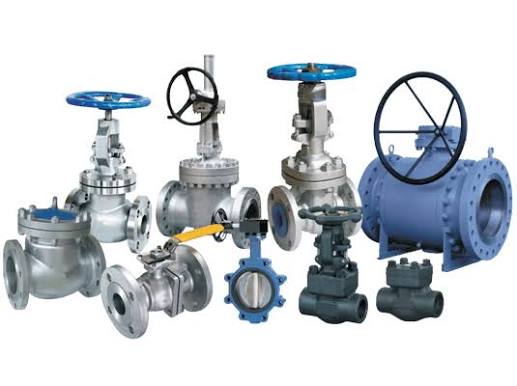
Flange Type Butterfly Valve Benefits for Industrial Pipeline Connections
Pipeline connection design is an important part of industrial equipment selection. Valves must fit the pipework correctly, withstand operating conditions, and remain accessible for inspection or replacement. In facilities with established flanged piping, choosing a valve that matches the connection standard can simplify engineering coordination and help maintain consistency across the installation. The valve’s construction and performance requirements still need to be considered alongside its connection style.
A Flange Type Butterfly Valve may be considered for pipeline systems where flanged connections are required and the valve’s pressure rating, materials, dimensions, and operating characteristics meet the project specification. Flanged butterfly valves are available in different designs, and their suitability depends on the intended service, pipeline standards, and operating conditions.
What Flanged Valve Connections Provide
Flanged connections use mating flange surfaces and specified fasteners to connect the valve to the pipeline. Depending on the design, the arrangement may allow the valve to be installed or removed using a defined bolting procedure.
Flanged valves can be useful in systems where the pipeline already uses flanged connections or where the project specification calls for a particular connection standard.
The valve’s flange dimensions, pressure class, facing type, bolt pattern, and gasket requirements must be compatible with the surrounding pipework. These details should be verified before procurement to avoid installation problems.
Butterfly Valve Operating Principle
Butterfly valves use a rotating disc to regulate or isolate flow within the pipeline. As the disc moves, it changes the available flow passage.
The valve may be operated using a manual handle, gearbox, or powered actuator, depending on its size and application. Quarter-turn operation can be convenient where the required movement is relatively simple.
The selected valve should be appropriate for the required duty. Engineers need to confirm its flow characteristics, operating torque, pressure limits, and shutoff performance.
Potential Benefits in Pipeline Installation
A flange-type configuration may provide a defined connection arrangement that aligns with existing industrial piping. This can be useful when replacing equipment, extending pipework, or installing valves in systems where flange standards are already established.
Flanged connections can also provide a familiar installation method for maintenance teams. When the connection dimensions and fasteners are correctly specified, the valve can be incorporated into the pipeline using the approved assembly procedure.
However, a flanged valve may require more installation space than some other connection configurations. Designers should account for the valve’s overall dimensions and the clearance needed for bolting and future removal.
Material Selection for the Application
The valve body, disc, stem, seat, and sealing components must be suitable for the fluid and environmental conditions.
Water systems may have requirements involving treatment chemicals, suspended solids, or operating temperatures. Process pipelines may transport chemicals that require corrosion-resistant materials.
The engineer should establish the fluid composition, concentration, temperature, pressure, and exposure conditions. Material compatibility must be confirmed for all relevant components, not just the body.
Pressure and Temperature Requirements
The valve’s pressure rating and temperature limits should be checked against the pipeline specification. These ratings may depend on the body material, sealing components, and overall design.
The engineer should consider operating conditions during normal service, startup, shutdown, and foreseeable variations. Where pressure differential changes significantly, the effect on valve operation and performance should also be assessed.
A valve should not be selected solely by nominal size. The flow requirements and pressure conditions must be considered together.
Installation and Alignment
Flanged valve installation requires careful alignment of the mating surfaces. The valve should not be forced into position or used to correct major pipeline misalignment.
Fasteners and gaskets must match the approved specification. The manufacturer’s tightening procedure should be followed to avoid uneven loading or damage.
The disc should be positioned according to the installation instructions. Adequate clearance must be maintained so it can move without interference from nearby components.
Maintenance and Accessibility
The installation should provide access to the valve, operating mechanism, fasteners, and inspection points. If the valve is installed in a crowded mechanical area, the layout should allow personnel to perform routine checks and remove the equipment when necessary.
Inspection should include leakage, corrosion, mounting condition, operating movement, and any visible damage. Maintenance should follow the manufacturer’s guidance, with replacement components selected to match the original design.
Selecting Flanged Butterfly Valves
Flanged butterfly valves may provide a practical connection option for industrial pipelines, particularly where the system already uses flanged arrangements.
A successful selection requires confirmation of connection compatibility, pressure rating, material suitability, flow requirements, operating mechanism, and maintenance needs. Reviewing these factors together helps engineers select a valve that integrates correctly with the pipeline and supports reliable industrial operation.