
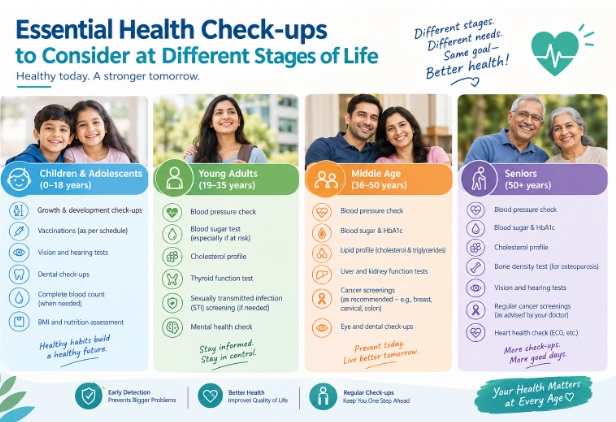
Essential Health Check-ups to Consider at Different Stages of Life
Health needs change with age, making regular check-ups an important part of preventive healthcare. Young adults may need routine blood pressure and dental assessments, while middle-aged adults may benefit from diabetes and cholesterol screening. Older adults may require closer monitoring of bone health, vision, hearing, and long-term medical conditions. Knowing which tests and examinations are appropriate at different life stages can help people discuss their health needs with a doctor and make informed decisions.
Health Check-ups for Young Adults
Young adulthood is a useful time to establish healthy habits and understand personal health risks. Even when a person feels well, routine assessments can help identify certain health concerns before noticeable symptoms develop.
Some check-ups to discuss with a healthcare professional include:
- Blood pressure measurement: Helps identify high blood pressure, which may not cause obvious symptoms.
- Dental examination: Helps detect tooth decay, gum disease, and other oral health concerns.
- Vision assessment: Helps identify changes in eyesight, particularly for people who spend long hours using digital screens.
- Vaccination review: Helps determine whether recommended vaccines or booster doses are due.
- Sexual and reproductive health consultations: May include appropriate screening based on medical history, age, and individual risk factors.
Blood tests for blood sugar, cholesterol, or other concerns may be recommended depending on family history, weight, lifestyle, and existing health conditions. A doctor can help determine which tests are necessary instead of relying on the same test package for everyone.
Preventive Screenings for Adults in Their 30s and 40s
During the 30s and 40s, work commitments, family responsibilities, and changing routines can affect sleep, physical activity, and eating habits. Regular health assessments can help adults track key health indicators and identify risks that may increase with age.
Common areas to discuss during a check-up include:
Blood pressure and cholesterol: These assessments help evaluate cardiovascular health. How often you get them depends on previous results, personal risk factors, and your doctor’s advice.
Blood glucose: Screening may be appropriate for adults with risk factors for type 2 diabetes, including a family history of the condition, excess weight, or a history of gestational diabetes.
Weight and waist circumference: These measurements can help assess metabolic health when considered alongside other clinical findings.
Cancer screening: Breast, cervical, and colorectal cancer screening recommendations depend on age, sex, family history, previous findings, and applicable medical guidelines. People with a strong family history may need to discuss earlier or more frequent screening.
Mental health: Persistent stress, anxiety, low mood, and sleep difficulties deserve attention. A healthcare professional can help assess these concerns and discuss appropriate support.
People looking for the best hospital near HB Colony for preventive healthcare can compare facilities based on the availability of general physicians, relevant specialists, laboratory services, and follow-up consultations. Access to appropriate services can make it easier to discuss test results and plan further assessments.
Essential Health Assessments After 50
As people grow older, the likelihood of certain chronic conditions increases. Regular consultations can help monitor existing health problems and determine whether additional screening is appropriate.
Heart Health
Blood pressure, cholesterol, blood glucose, smoking history, and other risk factors help doctors assess cardiovascular health. Depending on the findings, further investigations may be recommended. Symptoms and clinical assessment should guide tests such as an electrocardiogram, rather than automatically including them in every routine check-up.
Bone Health
Bone density screening can help identify osteoporosis and assess fracture risk. Recommendations depend on factors such as age, sex, previous fractures, medication use, and other medical conditions.
Eye and Hearing Tests
Vision and hearing changes may develop gradually. Regular assessments can help detect conditions that affect reading, mobility, communication, and independence in daily life.
Kidney and Liver Health
People with diabetes, high blood pressure, certain medication exposures, or other risk factors may be recommended blood and urine tests. The need for these tests depends on an individual’s medical history and examination findings.
Cancer Screening
Adults over 50 should discuss age-appropriate cancer screening with their doctor. The type and timing of screening depend on individual risk factors, previous test results, and current clinical guidelines.
When comparing the best hospital near Railway New Colony for age-related health assessments, patients can check whether the facility provides access to relevant specialists, diagnostic investigations, and consultations to review results. These services can support continuity of care when screening identifies a concern that requires further evaluation.
Health Check-ups for Older Adults
For older adults, health assessments often focus on maintaining mobility, independence, and quality of life. The right schedule varies based on existing conditions, medication use, and overall health.
Important areas to review include:
- Medication review: Helps identify possible side effects, interactions, and medicines that may need adjustment.
- Mobility and fall risk: Assessment of balance, muscle strength, walking ability, and home safety can help reduce the risk of falls.
- Memory and cognitive changes: Persistent difficulties with memory, reasoning, or everyday tasks should be discussed with a doctor.
- Nutrition: A review of eating habits, weight changes, and possible nutritional deficiencies may be useful.
- Vision and hearing: Regular assessments can identify changes that affect daily activities and safety.
- Chronic disease monitoring: People living with conditions such as diabetes, heart disease, or kidney disease may need scheduled tests and follow-up consultations.
Also review vaccination needs, including seasonal influenza and other vaccines recommended for the person’s age and health status.
How Often Should a Person Get a Health Check-up?
Check-up frequency depends on age, personal and family medical history, lifestyle, previous results, and any existing health conditions. Some people may need annual reviews, while others may require more frequent monitoring or specific screening at recommended intervals.
A general consultation can help establish a suitable plan. During the appointment, patients should mention new symptoms, changes in weight or energy levels, medicines they take, and any relevant family history. They should also ask when each test needs to be repeated, since some investigations are useful at specific intervals rather than every year.
Choosing a Healthcare Facility for Regular Screening
A suitable healthcare facility can make preventive care easier to manage over time. When considering the best hospital near Dwaraka Nagar, people can compare access to general consultations, laboratory testing, specialist referrals, and follow-up care. It is also helpful to understand the cost of recommended investigations and whether the results will be reviewed by a qualified healthcare professional.
The most useful health check-up reflects an individual’s needs. Regular consultations, appropriate screening, and timely follow-up can help people understand their health risks and take practical steps towards better long-term health.


