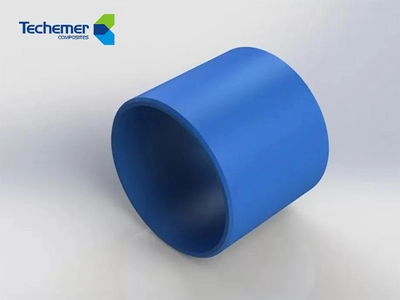
A Complete Guide to Selecting the Right Bearings for Hydro Turbines
Hydro turbines operate in demanding environments where mechanical stability, load management, and continuous performance are essential. Every rotating component must function reliably to maintain efficient electricity generation. Among these components, bearings play a critical role by supporting shafts, controlling movement, and reducing friction throughout the turbine assembly.
Choosing the right hydro turbine bearings requires careful consideration of operating speed, load capacity, lubrication, material properties, and environmental conditions. A suitable bearing arrangement can improve equipment reliability, minimize maintenance requirements, and extend the service life of hydropower machinery.
Understanding the Role of Bearings in Hydro Turbines
Bearings are mechanical components designed to support rotating shafts while controlling their movement. In hydroelectric installations, they help maintain shaft alignment and manage forces generated during turbine operation.
Depending on the turbine configuration, bearings may experience radial loads, axial thrust, or a combination of both. They must also operate under changing hydraulic conditions, varying temperatures, and continuous mechanical stress.
The primary functions of hydro turbine bearings include:
- Supporting rotating shafts and related components.
- Managing radial and axial loads.
- Maintaining accurate shaft alignment.
- Reducing friction and excessive heat generation.
- Controlling vibration and unwanted movement.
- Protecting connected components from premature wear.
Understanding these functions is the first step toward selecting an appropriate bearing system.
Different Types of Bearings Used in Hydro Turbines
Hydropower facilities use several bearing types depending on turbine design, shaft orientation, rotational speed, and mechanical requirements.
1. Journal Bearings
Journal bearings, also called sleeve bearings, support rotating shafts through a lubricating film between the shaft and bearing surface.
They are widely used in large hydroelectric generators and vertical turbine arrangements. Their design allows loads to be distributed across a relatively large surface area.
Journal bearings are suitable for applications requiring continuous operation and effective radial load support. However, their performance depends on proper lubrication, operating clearance, and temperature control.
2. Thrust Bearings
Thrust bearings are designed to withstand axial forces acting along the shaft. In vertical hydro turbines, these forces can be substantial because of hydraulic pressure and the weight of rotating components.
They commonly use specially designed bearing pads that maintain a lubricating film between moving and stationary surfaces.
When selecting thrust bearings, engineers should evaluate maximum axial load, operating temperature, lubrication requirements, and load distribution.
3. Guide Bearings
Guide bearings maintain the radial position of the turbine shaft and prevent excessive lateral movement.
They are typically installed at strategic locations along the turbine-generator assembly. Their primary purpose is to maintain alignment and minimize vibration during operation.
Properly selected guide bearings help protect the shaft, seals, and other connected mechanical components.
4. Rolling Element Bearings
Rolling element bearings use balls or rollers to reduce friction between moving surfaces. Depending on their design, they can support radial loads, axial loads, or both.
These bearings are commonly used in smaller hydropower equipment, auxiliary systems, and applications where operating conditions are compatible with their load and speed capabilities.
Their advantages can include relatively straightforward installation and maintenance, although selection must account for operating life, lubrication, and load limitations.
Key Factors to Consider When Selecting Hydro Turbine Bearings
Choosing a bearing based only on its dimensions or price can create long-term operational problems. Engineers should evaluate the complete working environment and mechanical requirements before making a selection.
1. Load Capacity
Load capacity is one of the most important considerations when selecting a bearing.
Hydro turbines generate different types of mechanical forces during operation. Radial loads act perpendicular to the shaft, while axial loads act along its length.
Engineers must determine the expected loads and select bearings capable of handling normal operating conditions as well as temporary load variations.
An undersized bearing may experience excessive stress, overheating, and premature wear. An appropriately rated bearing helps maintain stable operation and distributes forces effectively.
2. Operating Speed
Rotational speed influences friction, heat generation, and lubrication requirements.
Different turbine designs operate at different speeds, so the selected bearing must be compatible with the equipment’s operating range.
High-speed applications may require particular attention to lubrication film stability, bearing clearances, and temperature management.
3. Bearing Material
Material selection directly influences durability, wear resistance, and operating performance.
Common materials used in bearing applications include:
- Bronze alloys: Offer useful wear and corrosion resistance in suitable operating environments.
- White-metal linings: Commonly used in large hydrodynamic bearing arrangements because of their conformability and compatibility with suitable shaft materials.
- Steel: Provides strength and durability in many rolling element bearing applications.
- Engineered polymers: Can offer low-friction properties and corrosion resistance in selected applications.
The final material choice should consider load conditions, lubrication, temperature, water exposure, and compatibility with other components.
4. Lubrication Requirements
Lubrication reduces friction, limits wear, and helps control operating temperatures.
Hydro turbine bearings may use circulating oil systems, oil-bath arrangements, or other lubrication methods depending on their design.
Before selecting a bearing, engineers should consider:
- Required lubricant type and viscosity.
- Oil supply and circulation arrangements.
- Operating temperature range.
- Filtration and contamination control.
- Lubrication monitoring requirements.
An effective lubrication arrangement is essential for maintaining a protective film between bearing surfaces.
5. Operating Temperature
Temperature affects lubricant properties, bearing clearances, and material performance.
Excessive heat can reduce lubricant viscosity and accelerate surface deterioration. Therefore, bearings should be selected according to expected thermal conditions.
Cooling arrangements and temperature-monitoring systems should also be evaluated, particularly in large installations operating continuously.
6. Environmental Conditions
Hydropower facilities often operate in environments where moisture, water contamination, and changing temperatures can affect mechanical equipment.
Bearing materials, seals, and lubrication systems should be suitable for these conditions.
Corrosion resistance and effective contamination protection are particularly important for maintaining long-term reliability.
Selecting Bearings According to Turbine Type
Different hydro turbine designs have different mechanical characteristics. Understanding these differences helps engineers choose suitable bearing configurations.
Francis Turbines
Francis turbines are commonly used in medium- and high-head hydropower installations. Their rotating assemblies require reliable shaft support and effective management of radial and axial loads.
Guide bearings and thrust bearings are important for maintaining shaft stability and controlling mechanical movement.
Kaplan Turbines
Kaplan turbines are designed for low-head applications and typically feature adjustable runner blades.
Their operating conditions may involve changing hydraulic forces. Bearing arrangements must therefore maintain shaft alignment and provide dependable support under varying loads.
Pelton Turbines
Pelton turbines are commonly installed in high-head hydropower plants. Their mechanical configurations and operating speeds create specific shaft-support requirements.
Bearing selection should account for rotational speed, radial loading, alignment, and the characteristics of the turbine-generator assembly.
The Importance of Bearing Dimensions and Compatibility
Correct bearing dimensions are essential for proper installation and reliable operation.
Engineers should evaluate shaft diameter, housing dimensions, bearing width, internal clearance, and mounting arrangements before selecting a replacement or new component.
Incorrect dimensions can lead to installation difficulties, uneven loading, excessive vibration, and reduced bearing life.
Compatibility should also extend to connected components, including shafts, seals, lubrication systems, and bearing housings.
For replacement projects, reviewing original equipment manufacturer specifications can help prevent dimensional and performance mismatches.
Common Bearing Selection Mistakes to Avoid
An unsuitable bearing can increase operating costs and create unnecessary maintenance challenges. Several common mistakes should be avoided during the selection process.
Ignoring actual operating loads: Selecting a bearing without evaluating radial and axial forces can result in premature failure.
Overlooking lubrication requirements: Even a high-quality bearing may perform poorly when the lubrication arrangement is inadequate.
Choosing materials without considering the environment: Moisture, contamination, and temperature can affect material durability.
Disregarding shaft alignment: Incorrect alignment can create uneven loading and excessive vibration.
Focusing only on initial cost: A cheaper component may require more frequent replacement or maintenance, increasing its overall lifecycle cost.
Neglecting manufacturer specifications: Ignoring design requirements can result in compatibility and performance problems.
Avoiding these mistakes helps ensure that the selected bearing meets both mechanical and operational requirements.
Maintenance Considerations Before Making a Selection
Maintenance requirements should be considered during the initial bearing selection process rather than after installation.
Some bearing arrangements require more detailed lubrication management, while others may need specific inspection procedures or specialized replacement equipment.
A suitable bearing should allow maintenance teams to monitor important operating conditions and identify developing problems.
Important maintenance considerations include:
- Accessibility for inspection and replacement.
- Lubrication system complexity.
- Availability of replacement components.
- Temperature and vibration monitoring.
- Expected service intervals.
- Manufacturer maintenance recommendations.
Condition monitoring can further improve reliability by helping operators detect changes in bearing performance before significant damage occurs.
How Modern Technology Is Improving Bearing Selection
Advances in engineering software, manufacturing methods, and monitoring technologies are making bearing selection more precise.
Computer-aided engineering tools can help evaluate load distribution, thermal behavior, and mechanical stresses under different operating conditions.
Modern sensors also provide valuable information about vibration, temperature, and lubrication performance. Engineers can use this information to assess actual operating conditions and improve future bearing specifications.
Predictive maintenance technologies are another important development. By analyzing historical and real-time equipment data, operators can identify potential faults and plan maintenance activities more effectively.
Technical resources from companies such as Techemer can also help engineers explore industrial bearing applications and understand important performance considerations.
Conclusion
Selecting the right bearings for hydro turbines requires a detailed understanding of mechanical loads, operating speed, materials, lubrication, temperature, and environmental conditions. Different turbine designs also require specific bearing arrangements to maintain shaft alignment and support reliable operation.
By evaluating these factors carefully, hydropower engineers can choose bearing systems that reduce friction, manage mechanical stress, and improve equipment durability.
Proper installation, regular inspection, and effective condition monitoring are equally important for achieving long-term performance. A well-selected and maintained bearing system contributes to dependable turbine operation, reduced maintenance costs, and consistent hydropower generation.