
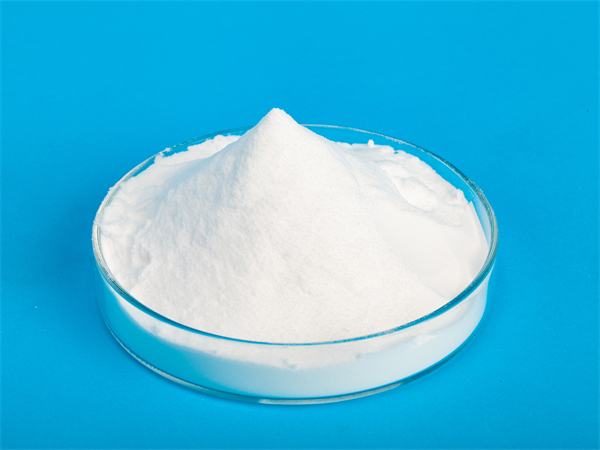
Sulfamic Acid Powder: What Determines Its Purity, Solubility, and Commercial Quality?
Chemical manufacturers and industrial buyers rely on consistent raw material quality to maintain production efficiency, product performance, and process safety. For chemicals used in cleaning formulations and industrial applications, factors such as purity, physical condition, solubility, and packaging can significantly influence how reliably a product performs. Evaluating these characteristics before purchasing helps businesses select materials that meet their technical and operational requirements.
Sulfamic Acid Powder is a solid inorganic acid used in various industrial and commercial applications, particularly in descaling and chemical cleaning formulations. Its performance depends on more than its chemical identity: purity, moisture content, particle characteristics, dissolution behavior, and storage conditions all contribute to commercial quality. Understanding these factors helps buyers compare suppliers, assess product specifications, and determine whether a particular grade is suitable for their intended use.
Understanding Sulfamic Acid Powder
Sulfamic acid, also known as amidosulfonic acid, has the chemical formula H₃NSO₃. It is commonly supplied as a white crystalline solid or powder and is valued for its acidic properties and ability to react with certain mineral deposits.
In water, sulfamic acid dissolves to form an acidic solution. This characteristic makes it useful in cleaning formulations designed to remove carbonate scale and other deposits that respond to acid treatment.
Commercial products may differ in purity, particle size distribution, moisture levels, and physical consistency. These differences can affect storage, handling, formulation, and dissolution, making product specifications important when selecting a grade.
1. Chemical Purity: A Key Indicator of Product Quality
Purity is one of the most important factors when evaluating commercial sulfamic acid powder. It indicates the proportion of the desired chemical compound in a product and helps buyers understand the level of impurities that may be present.
A higher-purity grade may be important when manufacturers require predictable chemical composition or consistent formulation results.
What Influences Purity?
Several factors can influence the purity of commercial sulfamic acid:
- Raw material quality: The quality and consistency of production inputs affect the final product.
- Manufacturing process: Reaction control, separation, purification, and crystallization influence the composition.
- Process contamination: Poorly controlled production or handling may introduce unwanted substances.
- Drying and finishing: Inadequate process control can affect the final material’s condition.
- Packaging and storage: Exposure to contaminants or unsuitable storage conditions may compromise product quality.
Why Purity Matters
Purity can influence formulation calculations, reaction behavior, and consistency between production batches. For industrial buyers, reliable specifications make it easier to control the amount of active material used in a cleaning solution.
A certificate of analysis can help verify the tested purity of a particular batch. Buyers should review the stated test method and acceptance limits rather than relying solely on general marketing descriptions.
2. Solubility and Dissolution Performance
Solubility describes how much of a substance can dissolve in a particular solvent under specified conditions. For sulfamic acid powder, water solubility is especially relevant because many applications involve preparing aqueous cleaning solutions.
However, solubility and dissolution rate are not identical. Solubility describes the amount that can dissolve at equilibrium, while dissolution rate concerns how quickly the solid enters the solution.
Factors That Affect Dissolution
Several variables can influence how sulfamic acid powder dissolves:
| Factor | Effect on dissolution |
|---|---|
| Water temperature | Influences dissolution behavior and the amount that can dissolve |
| Particle size | Smaller particles may dissolve more quickly because they provide greater surface area |
| Agitation | Mixing improves contact between powder and water |
| Concentration | Higher concentrations may require more time and mixing |
| Water quality | Dissolved minerals and other substances can affect solution preparation |
Manufacturers should follow product-specific technical guidance when preparing solutions. Increasing temperature or concentration without considering equipment compatibility and process requirements may create unnecessary risks.
Why Consistent Solubility Is Important
In industrial cleaning formulations, predictable dissolution helps operators prepare solutions more consistently. Uneven dissolution can create preparation delays or make it harder to achieve the intended concentration.
For this reason, buyers should consider both the chemical specification and the physical characteristics of the powder.
3. Particle Size and Physical Characteristics
Particle size is another important consideration in commercial product evaluation. Sulfamic acid powder may be available with different particle-size distributions depending on manufacturing and processing requirements.
A finer powder generally provides more surface area for contact with water, which can support faster dissolution under comparable conditions. Coarser particles may behave differently during handling, transport, and solution preparation.
Important physical characteristics include:
- Particle-size distribution: Indicates the range and proportion of particle sizes in a batch.
- Appearance: Commercial sulfamic acid is typically white and crystalline.
- Flowability: Influences how easily the powder moves through handling and dosing equipment.
- Caking tendency: Moisture exposure and storage conditions can contribute to clumping.
- Physical consistency: Similar characteristics between batches support predictable handling.
The preferred particle size depends on the intended application. A buyer should avoid assuming that the finest available powder is automatically the best choice for every industrial process.
4. Moisture Content and Storage Stability
Moisture content can affect the physical condition and handling properties of sulfamic acid powder. Although the product is a solid chemical, unsuitable storage conditions may contribute to clumping or changes in its physical consistency.
How Moisture Affects Commercial Quality
Excessive moisture can make powder more difficult to handle and dose accurately. It may also contribute to caking, which can interfere with automated feeding systems and consistent material measurement.
For manufacturers, moisture specifications are useful indicators when comparing products from different suppliers.
Recommended Storage Practices
To maintain suitable product condition:
- Store the material in its original, properly sealed packaging.
- Keep it in a cool, dry, and well-ventilated storage area.
- Protect containers from rain, condensation, and other sources of moisture.
- Avoid direct contact with incompatible chemicals.
- Follow the supplier’s recommendations for stacking, handling, and storage duration.
- Keep containers clearly labeled and inspect packaging periodically.
Appropriate storage helps preserve product condition from delivery through use.
5. Manufacturing Consistency and Quality Control
Commercial quality depends not only on individual test results but also on how consistently a manufacturer produces material that meets its specifications.
A reliable production process should include suitable controls for raw materials, reaction conditions, purification, crystallization, drying, and packaging.
Important Quality-Control Checks
Manufacturers and buyers may consider several quality parameters:
| Quality parameter | Why it matters |
|---|---|
| Chemical assay | Confirms the measured content of sulfamic acid |
| Moisture content | Helps assess storage and handling characteristics |
| Appearance | Identifies visible differences or unusual contamination |
| Particle-size distribution | Supports consistent handling and dissolution |
| Water-insoluble matter | Helps evaluate unwanted insoluble residues |
| Batch identification | Supports traceability and quality documentation |
The precise testing requirements depend on the application and the buyer’s technical specifications. Independent laboratory testing may be appropriate when the material is used in critical formulations or regulated processes.
6. Applications That Depend on Product Quality
Sulfamic acid powder is used in several industries where its acidic properties and dissolution behavior are relevant.
Industrial Descaling
Mineral deposits can accumulate in boilers, heat exchangers, pipelines, and other water-handling equipment. Sulfamic acid-based formulations can help dissolve certain carbonate deposits when the equipment materials are compatible.
Product purity and predictable solution preparation are important for controlled cleaning operations.
Commercial Cleaning Formulations
Some commercial cleaners use sulfamic acid to remove hard-water deposits and mineral residues from compatible surfaces. Formulation quality, concentration, and surface compatibility all influence the final product’s performance.
Metal Cleaning
Selected metal-treatment formulations may use sulfamic acid for cleaning applications. However, not all metals and coatings are compatible with acidic solutions. Testing and technical guidance are necessary before application.
Industrial Maintenance
Manufacturing and processing facilities may use acid-based cleaning products to address mineral buildup in equipment and circulation systems. Consistent raw material quality supports repeatable preparation and maintenance procedures.
7. How to Evaluate a Commercial Supplier
Choosing a supplier involves more than comparing the quoted price per unit. Buyers should consider whether the supplier can provide consistent product quality, appropriate documentation, and dependable delivery.
Review Technical Specifications
Request a current product specification sheet that identifies relevant parameters such as purity, moisture content, appearance, particle size, and insoluble matter.
Specifications should clearly state the applicable limits and testing methods.
Request Batch Documentation
A certificate of analysis provides information about the tested characteristics of a specific batch. Comparing these results with the agreed purchasing specification helps buyers assess whether the supplied material meets requirements.
Assess Packaging Quality
Packaging should protect the powder against moisture and contamination during transportation and storage. Buyers should also confirm that the packaging format suits their handling and production arrangements.
Consider Supply Reliability
Consistent availability, production capacity, communication, and delivery performance are important for businesses with ongoing chemical requirements.
A supplier that can maintain agreed specifications across repeated orders may provide greater operational value than one offering only a lower initial price.
8. Safety and Handling Considerations
Sulfamic acid powder should be handled according to its safety data sheet and the procedures established at the facility. Contact with the material or its solutions can cause irritation or chemical injury, particularly to the eyes and skin.
Good handling practices include:
- Wear suitable chemical-resistant gloves, protective clothing, and safety goggles.
- Avoid generating or inhaling dust during transfer and weighing.
- Use appropriate ventilation in powder-handling areas.
- Prepare solutions according to the manufacturer’s instructions.
- Avoid mixing sulfamic acid with chlorine-based or hypochlorite products, as dangerous reactions and toxic gases may occur.
- Keep the material away from incompatible substances.
- Follow established procedures for spills, first aid, and waste disposal.
Before using sulfamic acid in cleaning equipment, verify compatibility with metals, seals, coatings, and other system components. Cleaning solutions and wastewater should be managed in accordance with applicable environmental requirements.
Conclusion
The commercial quality of sulfamic acid powder depends on several interconnected characteristics, including chemical purity, solubility, particle size, moisture content, and manufacturing consistency. Each factor can influence how the material is stored, prepared, handled, and incorporated into industrial cleaning formulations.
For buyers, evaluating technical specifications, reviewing batch documentation, and assessing supplier reliability are essential steps in selecting an appropriate product. By considering both chemical performance and practical handling requirements, businesses can make more informed purchasing decisions and support consistent results in descaling, cleaning, and other suitable industrial applications.


