How Custom Flanged Butterfly Valves Provide Flexible Solutions for Specialized Piping Systems
Industrial piping systems are designed around different operating conditions, space limitations, fluid characteristics, and performance requirements. While standard valves are suitable for many general applications, specialized projects may require equipment with particular dimensions, materials, pressure ratings, or connection arrangements. Flanged butterfly valves offer a practical flow control option because of their compact construction and quarter-turn operating mechanism. Custom manufacturing makes these valves even more adaptable to demanding pipeline requirements.
A Custom Flanged Butterfly Valve can be configured to match specific project needs, including pipeline dimensions, flange standards, internal components, sealing materials, and operating methods. This flexibility helps engineers and procurement teams select valve solutions that integrate with existing infrastructure and meet application-specific requirements. Understanding the available customization options is an important step toward achieving reliable flow control and efficient pipeline operation.
1. Understanding Custom Flanged Butterfly Valves
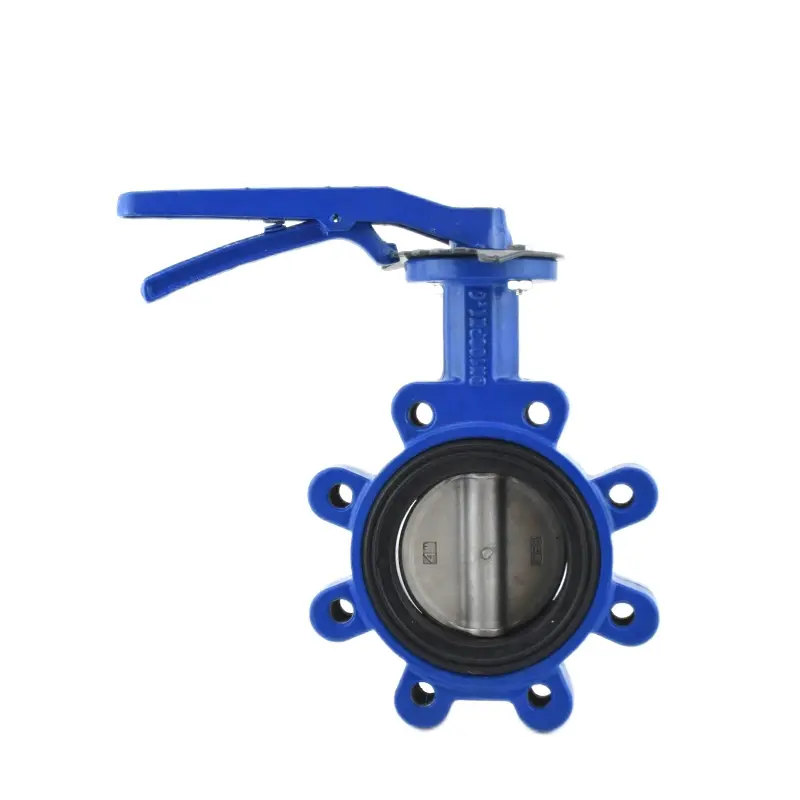
A flanged butterfly valve uses a rotating disc to control fluid movement through a pipeline. The disc is mounted on a shaft inside the valve body. When the shaft rotates, the disc moves between open and closed positions, allowing or restricting the flow of the medium.
Unlike wafer and lug designs, flanged butterfly valves feature integrated flange connections that attach to matching pipeline flanges using bolts and suitable gaskets.
Customization allows manufacturers to adjust selected design features according to project specifications. These may include body dimensions, connection standards, material combinations, disc geometry, and operating arrangements.
2. Why Specialized Piping Systems Need Custom Valve Solutions
Not every pipeline follows the same design requirements. Industrial facilities may operate under different pressures, temperatures, flow rates, and environmental conditions. Standard valve configurations may not always provide the necessary compatibility.
Custom valve solutions can address requirements such as:
- Non-standard pipeline dimensions
- Specific flange drilling patterns
- Special pressure or temperature ratings
- Corrosive or abrasive operating media
- Limited installation clearance
- Particular operating torque requirements
- Project-specific inspection and documentation standards
By identifying these requirements before manufacturing, buyers can work with suppliers to develop a valve configuration that suits the intended application.
3. Selecting Appropriate Materials for Different Applications
Material selection is one of the most important aspects of customized butterfly valve design. The valve body, disc, shaft, and seat must withstand the mechanical and environmental conditions of the pipeline.
Common body materials include cast iron, ductile iron, carbon steel, and stainless steel. Each offers different characteristics in terms of strength, corrosion resistance, and application suitability.
Internal components also require careful consideration. Disc and shaft materials should be compatible with the transported medium, while seat materials must provide suitable sealing performance under the expected temperature and pressure conditions.
Common elastomeric seat options include EPDM and NBR. Other materials may be considered for specialized applications where chemical compatibility or temperature resistance is a priority.
The correct combination should be determined from actual operating conditions rather than material cost alone.
4. Customizing Flange Dimensions and Connection Standards
Flange compatibility is essential for proper valve installation. A valve must match the pipeline’s connection arrangement to ensure correct alignment and secure assembly.
Custom manufacturing may accommodate specific requirements involving:
- Nominal valve diameter
- Face-to-face dimensions
- Flange outside diameter
- Bolt-hole quantity and spacing
- Pressure class
- Applicable flange standards
- Gasket and fastener compatibility
Engineers should provide approved drawings and relevant pipeline standards before production. Confirming these details helps prevent installation difficulties and reduces the need for modifications at the project site.
5. Adapting Disc Design for Flow Requirements
The disc directly controls the flow passage and influences the valve’s hydraulic performance. Its shape, thickness, and position can affect pressure loss, operating torque, and flow characteristics.
For customized applications, engineers may evaluate disc geometry according to the required flow capacity and operating conditions.
Important considerations include:
- Disc diameter and profile
- Shaft positioning
- Surface finish
- Clearance within the valve body
- Resistance to corrosion and erosion
- Compatibility with the selected seat
A suitable disc design should balance structural strength, sealing performance, and flow requirements. The final configuration must be evaluated as part of the complete valve assembly.
6. Choosing the Right Operating Mechanism
Flanged butterfly valves can use different operating arrangements depending on their size and application.
Manual Lever Operation
Lever-operated valves are commonly used for smaller sizes where operating torque is manageable. Their straightforward quarter-turn mechanism makes them convenient for local flow isolation.
Gearbox Operation
Larger valves may require higher operating torque. A gearbox with a handwheel can reduce the manual effort needed to move the disc and provide more controlled operation.
Pneumatic and Electric Actuation
Some specialized systems require remote or automated operation. Pneumatic and electric actuators can be considered when integration with a control system is necessary.
The operating mechanism should be selected according to valve torque calculations, operating frequency, available space, and control requirements.
7. Applications in Different Industrial Sectors
Custom flanged butterfly valves can support a variety of industrial systems when their design and materials meet the relevant operating requirements.
Water Treatment and Distribution
Water treatment plants and distribution networks use butterfly valves for pipeline isolation and flow management. Custom dimensions and suitable sealing materials can help meet specific installation requirements.
Power Generation
Power facilities may require valves for cooling-water circuits and auxiliary pipeline systems. Material selection and pressure ratings should reflect the conditions of each application.
Chemical Processing
Chemical plants handle different fluids that may present corrosion or compatibility challenges. Customized material combinations can help address these conditions when supported by appropriate engineering assessments.
HVAC Infrastructure
Heating and cooling networks use butterfly valves in water circulation systems. Their compact design can be useful in mechanical rooms and large building installations.
Industrial Manufacturing
Manufacturing facilities often have specialized utility and process pipelines. Custom valve configurations can improve compatibility with existing machinery, piping layouts, and operating arrangements.
8. Benefits of Custom Manufacturing
Custom manufacturing offers several practical advantages when standard valve products do not fully satisfy project requirements.
Improved system compatibility: Dimensions and connection details can be selected to match the pipeline design.
Application-specific materials: Components can be specified according to the fluid, pressure, temperature, and environmental conditions.
Flexible operation: Manual or automated operating mechanisms can be considered based on system requirements.
Project coordination: Customized drawings and agreed specifications help align valve production with wider engineering plans.
Consistent procurement: For projects requiring multiple valves, approved manufacturing specifications can help maintain consistency across production batches.
These benefits depend on accurate technical information and the manufacturer’s ability to meet the requested design and quality requirements.
9. Quality Control and Testing Considerations
Customization should not reduce the importance of product inspection and testing. Each valve must be evaluated against its approved drawings, material specifications, and performance requirements.
A suitable quality control process may include:
- Material verification: Confirm that the selected materials match the approved specifications.
- Dimensional inspection: Check body dimensions, flange drilling, disc geometry, and face-to-face measurements.
- Assembly checks: Inspect shaft alignment, disc movement, seat installation, and operating components.
- Pressure testing: Conduct the required tests according to applicable standards and project specifications.
- Leakage inspection: Verify sealing performance against agreed acceptance criteria.
- Final documentation: Prepare relevant inspection reports and material records where required.
Buyers should establish testing requirements and documentation expectations before placing an order.
10. How to Select a Suitable Custom Valve Manufacturer
Choosing the right manufacturing partner is essential for achieving the intended performance of a customized valve. Buyers should evaluate a supplier’s technical knowledge, production facilities, material sourcing, and quality assurance procedures.
It is also important to determine whether the manufacturer can review engineering drawings, recommend suitable materials, accommodate connection requirements, and provide relevant testing documentation.
Before confirming an order, discuss production lead times, sample approvals, technical changes, packaging, and after-sales support. Clear communication throughout the process can reduce specification errors and help keep industrial projects on schedule.
Conclusion
Custom flanged butterfly valves provide flexible solutions for specialized piping systems by allowing important design features to be adapted to different operating and installation requirements. Material selection, flange compatibility, disc geometry, sealing arrangements, and operating mechanisms all influence the suitability of the finished valve.
By defining project specifications early and working with a capable manufacturer, industrial buyers can obtain valve products that integrate more effectively with their pipeline infrastructure. Careful design review, quality inspection, and appropriate testing further support reliable performance throughout the valve’s intended service life.