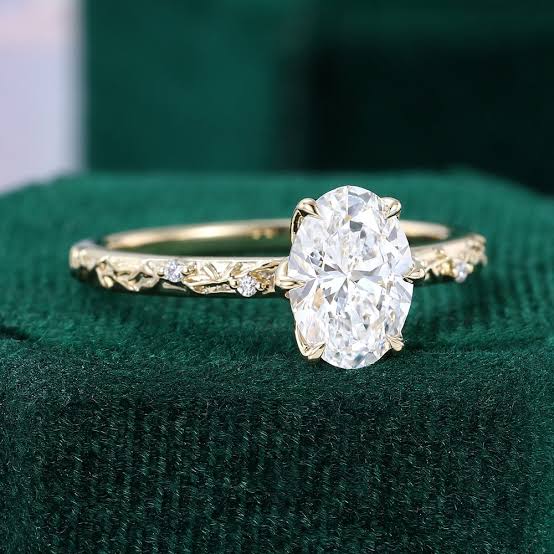
Understanding the 4Cs When Buying a Lab Diamond Ring
Buying a diamond ring involves more than selecting an attractive design or choosing a particular carat size. Understanding diamond quality is equally important, especially when comparing different stones and evaluating their prices. For first-time buyers, the four Cs provide a useful framework for understanding the characteristics that influence a diamond’s appearance, quality, and overall value.
When shopping for a Lab Diamond Ring, learning about cut, color, clarity, and carat weight can make the selection process easier. These four characteristics help buyers compare laboratory-grown diamonds using consistent grading principles and identify a stone that matches their preferences and budget.
What Are the 4Cs of Diamond Quality?
The 4Cs refer to four important characteristics used to evaluate diamonds:
- Cut: Describes how well a diamond’s proportions and facets interact with light.
- Color: Measures the degree of colorlessness in traditionally colorless diamonds.
- Clarity: Evaluates internal inclusions and external blemishes.
- Carat: Measures the diamond’s weight.
These characteristics work together to determine a diamond’s overall appearance. A diamond with a high carat weight, for example, may not necessarily look more attractive than a smaller stone with better cut quality.
Understanding each characteristic individually allows buyers to make more informed comparisons.
1. Cut: The Key to Diamond Brilliance
Cut is one of the most influential characteristics affecting a diamond’s visual appearance. It describes how effectively the diamond’s facets interact with light.
A well-cut diamond reflects light through its upper surface, creating the brightness and sparkle commonly associated with diamond jewelry.
How Diamond Cut Is Evaluated
Several factors influence diamond cut quality:
- Proportions: The relationship between different parts of the diamond, including its table, depth, and overall dimensions.
- Symmetry: How accurately the diamond’s facets are aligned and arranged.
- Polish: The smoothness of the diamond’s external surfaces.
- Light performance: How effectively the stone reflects and disperses light.
For round brilliant diamonds, cut grades commonly include Excellent, Very Good, Good, Fair, and Poor, depending on the grading system used.
Not every diamond shape receives the same overall cut grading treatment. Fancy shapes such as oval, pear, emerald, and cushion cuts should also be evaluated through their proportions, symmetry, and visual performance.
Why Cut Matters When Buying a Lab Diamond
A diamond’s cut can significantly influence how lively and attractive it appears.
Even a large stone may look dull if its proportions are poorly designed. Buyers should therefore prioritize balanced cut quality rather than choosing a diamond based entirely on its size.
For an engagement ring, a well-cut diamond can create impressive brilliance without requiring the highest possible carat weight.
2. Color: Understanding Diamond Color Grades
Color grading evaluates how much noticeable color is present in a traditionally colorless diamond.
The standard diamond color grading scale ranges from D to Z.
Understanding the Color Scale
| Color Grade | Description |
|---|---|
| D–F | Colorless |
| G–J | Near colorless |
| K–M | Faint color |
| N–R | Very light color |
| S–Z | Light color |
Colorless diamonds are generally considered desirable because they have very little noticeable body color.
However, near-colorless diamonds can also appear beautiful, particularly when viewed without specialized grading equipment.
Choosing the Right Color Grade
The best color grade depends on personal preference, the diamond’s shape, and the metal used for the ring.
For example, white gold and platinum settings may make slight color differences more noticeable. Yellow gold and rose gold can complement diamonds with warmer tones.
Buyers working within a specific budget may find that a near-colorless diamond offers an attractive balance between appearance and price.
The goal should be to select a diamond that looks appealing in its actual setting rather than automatically choosing the highest color grade.
3. Clarity: Evaluating Internal and External Imperfections
Clarity refers to the presence of natural or growth-related characteristics within and on the surface of a diamond.
Internal features are called inclusions, while external imperfections are known as blemishes.
Lab-grown diamonds can contain inclusions and other characteristics resulting from their growth processes. Their clarity is evaluated using established gemological principles.
Understanding Diamond Clarity Grades
The commonly used clarity scale includes the following categories:
| Grade | Meaning |
|---|---|
| FL | Flawless |
| IF | Internally Flawless |
| VVS1–VVS2 | Very, Very Slightly Included |
| VS1–VS2 | Very Slightly Included |
| SI1–SI2 | Slightly Included |
| I1–I3 | Included |
Higher clarity grades generally indicate fewer or less noticeable imperfections under standard examination conditions.
However, not every inclusion is visible to the unaided eye.
Why Clarity Matters
Clarity can influence both a diamond’s appearance and its price. Stones with fewer noticeable imperfections generally receive higher clarity grades.
For buyers, the practical goal is often to find a diamond that looks clean to the naked eye.
An eye-clean diamond may offer excellent visual appeal without requiring the expense associated with the highest clarity categories.
It is also important to consider the location, size, and nature of inclusions. Certain characteristics near the surface or around vulnerable edges may deserve additional attention.
4. Carat: Understanding Diamond Weight and Size
Carat is the measurement used to describe a diamond’s weight. One carat equals 200 milligrams, or 0.2 grams.
A diamond’s carat weight is not the same as its physical size. Two diamonds with identical carat weights can have different visible dimensions because of variations in shape, depth, and proportions.
Common Diamond Carat Weights
| Carat Weight | General Description |
|---|---|
| 0.25 carat | Small accent or delicate center stone |
| 0.50 carat | Compact center diamond |
| 0.75 carat | Medium-sized center stone |
| 1.00 carat | Popular engagement ring size |
| 1.50 carats | Larger and more noticeable |
| 2.00 carats | Prominent center stone |
These descriptions are general because actual face-up dimensions depend on the diamond’s shape and cut proportions.
How to Choose the Right Carat Weight
When selecting carat weight, buyers should consider their budget, preferred appearance, finger size, and ring setting.
A smaller diamond with excellent cut quality may offer more brilliance than a larger stone with weaker proportions.
Lab-grown diamonds generally provide more flexibility in carat selection because their prices are often lower than those of comparable natural diamonds.
This allows buyers to compare different sizes without overlooking other quality characteristics.
How the 4Cs Work Together
The four Cs should not be evaluated separately when making a final purchasing decision. Each characteristic contributes to the diamond’s overall appearance and market price.
For example, a one-carat diamond with excellent cut quality and near-colorless grading may be more visually appealing than a larger diamond with poor proportions and noticeable imperfections.
Similarly, selecting the highest grades in every category may not be necessary for someone who wants a beautiful everyday engagement ring.
A balanced approach helps buyers identify which characteristics matter most to them.
Example of a Balanced Diamond Selection
Consider a buyer comparing two laboratory-grown diamonds:
| Characteristic | Diamond A | Diamond B |
|---|---|---|
| Carat | 1.00 ct | 1.20 ct |
| Color | F | H |
| Clarity | VS1 | VS2 |
| Cut | Excellent | Good |
Diamond A may offer stronger light performance because of its cut grade, while Diamond B provides greater weight.
The better option depends on the actual appearance, shape, measurements, pricing, and the buyer’s priorities. This comparison demonstrates why choosing a diamond based on carat weight alone can be misleading.
Lab-Grown Diamond Grading vs. Natural Diamond Grading
Lab-grown and natural diamonds share essentially the same chemical composition, crystal structure, and fundamental physical properties.
Consequently, the 4Cs are relevant to both categories. Gemological laboratories examine their quality using diamond grading principles, although report formats and terminology can differ between organizations.
The main distinction is that laboratory-grown diamonds are created through controlled manufacturing processes, while natural diamonds develop through geological processes.
Growth-related characteristics may help specialists identify a diamond’s origin using advanced gemological testing.
When purchasing a lab-grown diamond, buyers should ensure that the grading documentation clearly identifies it as laboratory-grown.
Other Factors to Consider Beyond the 4Cs
Although the 4Cs provide a strong foundation for diamond evaluation, several additional factors influence the quality and practicality of an engagement ring.
Diamond Shape
Shape determines the overall outline of the stone. Round, oval, pear, princess, emerald, and cushion shapes each offer a different appearance.
Fluorescence
Some diamonds display visible fluorescence when exposed to ultraviolet light. Its effect on appearance varies depending on the individual stone and lighting conditions.
Polish and Symmetry
These characteristics describe the quality of a diamond’s surface finishing and the arrangement of its facets.
Ring Setting
The setting influences how securely the diamond is held and how it appears when worn. Solitaire, halo, bezel, and pavé settings offer different visual and practical advantages.
Certification
A grading report from a recognized gemological organization provides useful information about a diamond’s identity and characteristics.
Organizations such as GIA and IGI offer services for laboratory-grown diamond identification and assessment.
Common Mistakes to Avoid When Evaluating the 4Cs
First-time buyers sometimes focus on individual specifications without considering the complete diamond.
Avoiding the following mistakes can make the purchasing process more effective:
- Prioritizing carat weight over cut: A larger diamond does not automatically provide better brilliance.
- Always choosing the highest color grade: Near-colorless diamonds can offer excellent visual appeal at different price points.
- Overpaying for invisible clarity differences: Some clarity characteristics cannot be noticed without magnification.
- Ignoring diamond proportions: Measurements and facet arrangement influence how large and attractive a diamond appears.
- Overlooking certification: Always review appropriate grading documentation before purchasing.
- Comparing prices without specifications: Diamonds should be compared using their complete quality information rather than carat weight alone.
How to Find the Best Balance Between Quality and Budget
The ideal diamond is not necessarily the one with the highest grades across all four categories. It is the one that delivers the appearance and characteristics the buyer values within an acceptable budget.
A practical approach is to prioritize cut quality, select a color grade that looks appropriate with the chosen metal, and look for eye-clean clarity.
Carat weight can then be adjusted according to the available budget and preferred design.
Buyers should also compare actual diamond images, videos, grading reports, and measurements whenever possible.
This approach helps avoid unnecessary spending while ensuring that the selected stone meets expectations.
Conclusion
Understanding the 4Cs is essential when buying a lab-grown diamond ring. Cut determines how effectively the stone interacts with light, color describes its degree of colorlessness, clarity evaluates its imperfections, and carat measures its weight.
These characteristics work together to influence a diamond’s appearance, quality, and price. By learning how each factor contributes to the final result, buyers can compare different stones more confidently.
Rather than focusing on the highest grades or largest carat weight, consider the complete combination of quality, proportions, design, and budget. A balanced selection can result in a beautiful engagement ring that reflects personal preferences and offers lasting sentimental value.