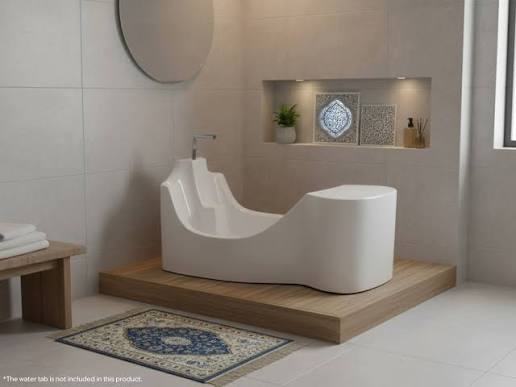
Wudu Basin for Muslim Households: Space-Saving Ideas for Modern Homes
Wudu Basin for Muslim Households: Space-Saving Ideas for Modern Homes
Creating a dedicated ablution area in a modern home can be challenging when bathroom space is limited. Many households need a practical solution that supports daily wudu without overcrowding the bathroom or requiring extensive renovations. With the right basin design, layout, and plumbing arrangement, even a small bathroom can accommodate a comfortable and organized washing area.
Choosing a suitable Wudu Basin for Muslim households involves balancing functionality, dimensions, durability, and appearance. Compact fixtures, wall-mounted installations, and thoughtful storage can help homeowners make better use of available space. The goal is to create an accessible ablution area that fits naturally into the home while supporting convenient daily use.
1. Install a Wall-Mounted Wudu Basin
Wall-mounted basins are a practical choice for homes with limited bathroom space. Because the basin is attached to the wall, it leaves the floor beneath it open, making the room appear less crowded and simplifying floor cleaning.
This installation style can work particularly well in narrow bathrooms, apartments, and small prayer areas. Depending on the design, the basin can be positioned to provide comfortable access without interfering with nearby fixtures.
Before installation, confirm that the wall can support the basin’s weight and that the plumbing connections are compatible. Appropriate mounting hardware and secure installation are essential for long-term reliability.
2. Make Use of Unused Corners
Corners can provide valuable installation space in compact bathrooms. A corner wudu basin uses an area that might otherwise remain unused, leaving more room for a toilet, shower, or storage unit.
Triangular and angled designs are commonly suited to tight layouts. However, the basin should still offer enough internal space for comfortable washing.
Measure the corner carefully and account for faucet reach, drain connections, and the clearance needed to approach the basin. A well-positioned corner fixture can improve the layout without making daily ablution awkward.
3. Choose a Narrow Basin Design
A narrow basin can fit along a small section of wall without taking up as much floor space as a wider fixture. This can be helpful when adding an ablution area to an existing bathroom where relocating plumbing would be expensive.
When comparing models, look beyond the overall width. The bowl’s internal dimensions, depth, and faucet position determine whether it will be practical for the intended washing activities.
Avoid choosing a basin solely because it is the smallest available. A slightly larger model may offer much better comfort while still fitting the room.
4. Select a Shallow-Profile Basin
A shallow-profile basin extends less from the wall, which can improve movement in a narrow bathroom or corridor-style washroom. Its compact shape can also create a clean, modern appearance.
The design must still provide adequate bowl depth and effective drainage. If the faucet is poorly positioned, water may splash onto the surrounding floor despite the basin’s compact size.
Review the manufacturer’s dimensions and installation requirements before buying. If foot washing is a key requirement, confirm that the specific model is suitable for that purpose.
5. Create a Dedicated Ablution Corner
Not every home has enough space for a separate wudu room. In many cases, a dedicated corner within an existing bathroom can provide a practical alternative.
Choose an area with convenient access to the water supply and drainage system. Keep the route to the basin clear and avoid placing it where users will block the bathroom entrance or interfere with other fixtures.
A consistent color scheme, simple fittings, and carefully positioned accessories can help distinguish the ablution area without adding partitions. This approach can make the space feel organized while preserving its overall openness.
6. Use Wall-Mounted Storage to Reduce Clutter
Storage can quickly consume valuable floor space in a small bathroom. Wall-mounted shelves, compact cabinets, and towel holders help keep essential items organized without making the room feel cramped.
Position accessories within easy reach but away from areas where they could obstruct washing or create a risk of items falling into the basin. Moisture-resistant materials are important because the surrounding surfaces may frequently become wet.
Avoid adding too many shelves or decorative accessories. A simple storage arrangement is usually easier to clean and more practical for daily use.
7. Consider an Integrated Basin Design
Integrated basin designs combine the washing bowl with a coordinated surrounding surface. Depending on the model, this can create a seamless appearance and reduce the number of visible joints where dirt and moisture may collect.
For modern homes, an integrated unit can complement minimalist interiors and make the ablution area look well organized. Some designs also provide a small surface for essential items.
Before purchasing, check the dimensions of the complete unit, including the countertop or supporting structure. Make sure the design leaves enough space for comfortable movement and does not obstruct nearby fixtures.
8. Choose Light Colors and Simple Finishes
The visual design of a bathroom can influence how spacious it feels. Light colors such as white, cream, and pale gray often help create a brighter, more open appearance.
A basin with clean lines and minimal decorative details can complement modern interiors without drawing unnecessary attention to a small area. Coordinating the basin with wall tiles, faucets, and surrounding fixtures creates a consistent look.
Material selection remains important. Choose a finish that is durable, easy to clean, and compatible with the manufacturer’s recommended cleaning products.
9. Plan Plumbing Before Selecting the Final Location
Plumbing can determine where a wudu basin can be installed most efficiently. Before purchasing, identify the locations of the water supply lines, waste pipe, and any concealed connections.
Installing the basin near existing plumbing may reduce the amount of modification required. However, the final position should still allow comfortable use and sufficient clearance from other fixtures.
Check the drain outlet size, faucet configuration, and mounting requirements. Ensure that essential connections and shut-off valves remain accessible for future repairs.
A qualified plumber can help assess whether the proposed layout is suitable and identify any changes needed before installation begins.
10. Improve Water Management and Floor Safety
Water management is especially important when an ablution area is installed in a compact bathroom. Water splashes can spread into narrow walkways, increasing the risk of slipping.
Choose a basin with an appropriate bowl shape and drain position. The faucet should direct water into the bowl, and the surrounding floor should be suitable for wet conditions.
Keep towels and other accessories organized so they do not obstruct movement. If the bathroom layout allows, arrange the basin so that users can wash without standing directly in the main walking route.
Regular cleaning and prompt attention to drainage issues can also help keep the area safe and hygienic.
11. Consider Multi-Functional Bathroom Layouts
In smaller homes, every fixture needs to make effective use of the available space. A compact wudu basin may be integrated into an existing bathroom alongside the shower and toilet, provided there is enough room for safe movement.
Choose a layout that allows each fixture to function without interfering with the others. For example, the basin should not block a door from opening or make access to the shower difficult.
Wall-mounted accessories and compact fittings can help preserve floor space. However, avoid overcrowding the bathroom with too many features. A simple layout that supports comfortable washing is often more effective than one that tries to accommodate every possible accessory.
12. Measure Carefully Before Buying
Accurate measurements can prevent costly installation changes and help ensure that the selected basin fits comfortably. Before ordering, check the following:
- Available width: Measure the wall space where the basin will be installed.
- Projection: Confirm how far the basin will extend into the room.
- Bowl dimensions: Check that the internal washing area suits its intended use.
- Installation height: Consider the comfort and accessibility needs of household members.
- Plumbing position: Verify the location of water supply lines and drainage.
- Movement clearance: Leave enough room to approach and use the basin safely.
- Nearby fixtures: Check the clearance around doors, toilets, showers, and cabinets.
Marking the basin’s approximate dimensions on the wall or floor before installation can help reveal possible clearance problems.
Conclusion
A space-saving wudu basin can make daily ablution more convenient without requiring a large bathroom or a separate prayer room. Wall-mounted fixtures, corner designs, narrow profiles, and integrated units offer practical ways to use limited space efficiently.
For modern Muslim households, the best choice combines comfortable washing dimensions, reliable drainage, durable materials, and a design that complements the home. By measuring carefully, planning plumbing connections, and keeping the surrounding area organized, homeowners can create a functional ablution space that supports everyday routines while maintaining a clean, uncluttered bathroom.