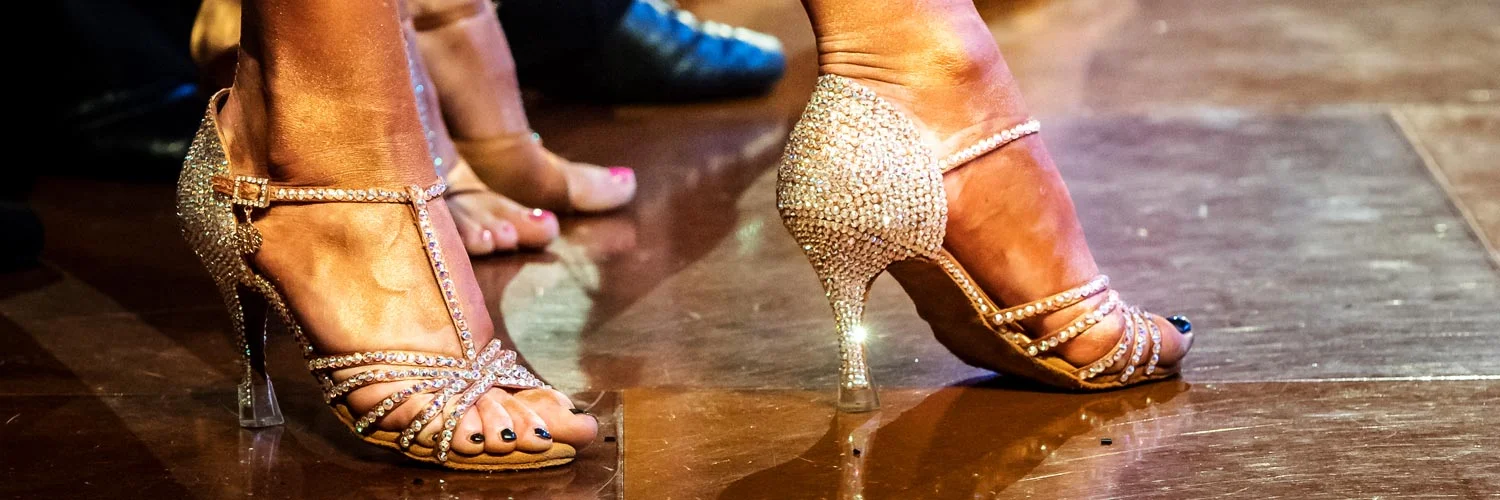
How to Personalize the Color and Design of Your Latin Dance Shoes
Latin dance shoes serve an important purpose beyond supporting footwork and balance. Their color, finish, and overall design can complement a dancer’s personality, coordinate with performance outfits, and create a polished appearance on the dance floor. Whether you perform salsa, cha-cha, rumba, or samba, choosing a design that reflects your preferences can make your footwear feel more personal.
Personalization also involves practical decisions about materials, straps, heel shapes, and comfort. When exploring Custom Latin Dance Shoes, consider how visual details can work alongside fit and functionality. A thoughtful design should complement your dancing style without compromising stability or freedom of movement.
Why Personalizing Latin Dance Shoes Matters
Every dancer has different preferences when it comes to appearance and performance. Some prefer classic, understated footwear that works with several outfits, while others enjoy bold colors and decorative finishes that stand out during competitions or showcases.
Personalized dance shoes can help create a consistent look for performances, group routines, and special events. They also provide an opportunity to select details that suit your individual style rather than settling for a design that does not fully match your preferences.
However, appearance should remain balanced with practical considerations. Shoes need to fit securely, provide suitable floor traction, and support the movements required by your chosen dance style.
Choosing the Right Color for Your Dance Shoes
Color is one of the easiest ways to personalize your footwear. The best choice depends on your wardrobe, performance setting, skin tone preferences, and the visual effect you want to create.
Classic Nude and Tan Shades
Nude and tan dance shoes are popular because they can create a continuous visual line between the foot and leg, depending on the shade and the dancer’s skin tone. These colors also coordinate with a wide range of performance outfits.
When choosing a nude shade, compare available colors with your natural skin tone and costume palette. A suitable match can create a balanced appearance without drawing unnecessary attention away from your movements.
Black for a Timeless Look
Black dance shoes offer versatility and a polished appearance. They work well with many practice outfits and performance costumes, making them a practical choice for dancers who want footwear they can use in different settings.
Black can also create a strong visual contrast against lighter costumes. For dancers who prefer simple designs, it provides an understated option that remains suitable for many occasions.
Red and Other Bold Colors
Red, royal blue, purple, and other vibrant shades can add personality to dance footwear. These colors may work particularly well for solo performances, themed routines, or costumes designed around a specific color palette.
When selecting a bold shade, consider the overall outfit and stage lighting. A coordinated combination can create a more unified appearance than choosing shoe colors independently of the rest of the costume.
Metallic Finishes
Gold, silver, bronze, and other metallic finishes can create a striking appearance under performance lighting. They are often suitable for competitions, showcases, and special dance events.
Metallic materials may require additional care to preserve their finish. Ask about cleaning instructions and durability before choosing a decorative surface for shoes that will be worn frequently.
Matching Shoe Colors With Dance Costumes
Coordinating shoes with your dancewear can create a cohesive appearance without requiring every element to match exactly.
For a classic look, choose footwear in a neutral shade that complements several costumes. If your outfit features a bold color, you can select shoes in a matching shade or use a neutral color to balance the overall appearance.
Consider these simple approaches:
- Matching colors: Coordinate your shoes with a dominant color in your costume.
- Contrasting colors: Use a complementary shade to create visual interest.
- Neutral combinations: Choose black, tan, or a suitable nude shade for greater versatility.
- Performance themes: Select colors that support the mood and visual concept of your routine.
For group performances, consistency may be more important than individual preference. Discuss color choices with your instructor or choreographer before finalizing a customized design.
Selecting Materials and Finishes
The material used on the upper of a dance shoe influences its appearance, feel, and maintenance requirements. Choosing the right finish is therefore an important part of personalization.
Satin for an Elegant Appearance
Satin offers a smooth, refined finish that is often associated with formal performances and competitions. It can be particularly effective when paired with elegant costumes or coordinated stagewear.
Because satin can be susceptible to stains and surface damage, it may require careful handling. Consider whether the appearance justifies the maintenance required for your usual practice schedule.
Leather for a Classic Design
Leather can provide a structured, timeless appearance and may adapt to the foot with regular use. Depending on its finish, it can support understated or more distinctive designs.
Leather also requires appropriate care to preserve its condition. Follow the manufacturer’s instructions for cleaning and conditioning, and avoid products that could damage the finish.
Synthetic Materials for More Design Options
Synthetic materials can offer a variety of colors, textures, and finishes. Depending on the product, they may also provide convenient cleaning options or alternatives to animal-derived materials.
Quality varies between materials, so examine the shoe’s flexibility, lining, stitching, and overall construction rather than judging it by appearance alone.
Personalizing Straps and Decorative Details
Small design changes can significantly influence the appearance of Latin dance shoes. Strap placement, buckle style, decorative accents, and the shape of the toe area can all contribute to a distinctive look.
Ankle straps offer a familiar, secure design, while T-straps and cross-over straps create different visual effects. Your choice should accommodate your foot shape and provide a secure fit without uncomfortable pressure.
Decorative elements such as subtle metallic accents or contrasting straps can add character without overwhelming the design. For performance footwear, keep embellishments secure and ensure that they do not interfere with movement or contact with the dance floor.
The best design details are those that complement the shoe’s purpose while reflecting your personal preferences.
Choosing a Heel Design That Suits Your Style
Heel height and shape influence both appearance and movement. A slim heel may create an elegant silhouette, while a broader design may feel more stable for some dancers.
Beginners often benefit from a manageable heel height while developing balance and coordination. Experienced dancers may have more specific preferences based on their technique, choreography, and performance requirements.
When personalizing your shoes, consider heel stability before focusing on visual appeal. The heel should feel secure during turns and weight transfers, and the height should suit your current abilities.
A visually appealing design is most useful when it also supports comfortable, controlled movement.
Balancing Style With Comfort and Functionality
Personalization should not come at the expense of a good fit. Even the most attractive shoes can become distracting if they pinch the toes, slip at the heel, or create friction during extended practice.
Before confirming your design, check the following features:
- Fit: The shoe should hold your foot securely without painful pressure.
- Sole material: Choose a sole appropriate for your usual dance floor.
- Strap adjustment: Fastenings should remain secure without digging into the skin.
- Material flexibility: The upper should allow natural movement.
- Heel stability: The heel should feel balanced and firmly attached.
If you are ordering customized footwear, provide accurate measurements and confirm which design options are available. It is also helpful to ask whether the selected materials and decorative details affect care requirements or delivery times.
Designing Shoes for Different Latin Dance Styles
Your preferred dance style can influence the most suitable combination of color and design.
Salsa and Cha-Cha
Salsa and cha-cha often involve energetic footwork and quick changes in direction. Lightweight designs with secure straps and practical materials may be suitable for regular training.
For social dancing, versatile colors can be convenient. For competitions, brighter shades or coordinated finishes may better complement the costume and choreography.
Rumba
Rumba emphasizes controlled movement and expressive presentation. Elegant materials and understated decorative details may suit dancers who prefer a refined appearance.
Comfort and flexibility remain important, particularly when performing slow, deliberate weight transfers.
Samba
Samba involves energetic movement and a lively visual style. Some dancers may prefer bold colors or metallic finishes that complement the energy of the routine.
Regardless of the chosen design, the shoe should provide a secure fit and a stable heel suited to the dancer’s technique.
How to Care for Personalized Dance Shoes
Customized footwear may include materials or finishes that require specific maintenance. Proper care helps preserve the appearance and functionality of your shoes.
Store them in a breathable bag away from excessive heat and moisture. Clean the upper according to the manufacturer’s recommendations, especially if it features satin, metallic finishes, or decorative details.
For suede soles, use an appropriate sole brush to remove debris and maintain the surface texture. Avoid wearing indoor dance shoes outdoors, as rough surfaces and moisture can damage the soles.
Inspect straps, stitching, and heels regularly. Addressing minor wear early can help prevent larger problems and keep your shoes suitable for practice and performance.
Common Mistakes to Avoid When Customizing Dance Shoes
Personalizing footwear offers plenty of creative possibilities, but a few common mistakes can affect the final result.
Choosing a color without considering your wardrobe: A striking shade may look appealing but offer limited versatility if it coordinates with only one outfit.
Prioritizing decoration over comfort: Excessive embellishments or unsuitable strap designs can become distracting during movement.
Ignoring material maintenance: Some finishes require more careful cleaning and storage than others.
Selecting an unsuitable heel: Heel height should match your comfort and technique rather than fashion preferences alone.
Overlooking construction quality: Attractive colors and finishes cannot compensate for weak stitching, an unstable heel, or a poor fit.
Planning these details before ordering can help you create shoes that are both attractive and practical.
Final Thoughts
Personalizing Latin dance shoes allows dancers to express their individuality through color, materials, finishes, straps, and heel design. Whether you prefer classic neutrals, vibrant shades, or metallic accents, your choices can help create a look that complements your dancing style and performance wardrobe.
The most successful design balances appearance with comfort, stability, and durability. Consider how frequently you will wear the shoes, the conditions in which you dance, and the maintenance required by your chosen materials.
By planning these details carefully, you can select personalized dance footwear that reflects your taste while supporting the movement, confidence, and expression that make Latin dancing enjoyable.