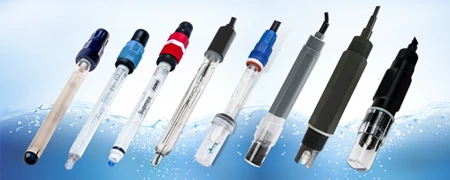
How pH Sensors Help Maintain Pool and Spa Water Balance
Maintaining clean and safe water in pools and spas is crucial for both health and enjoyment. Improper water chemistry can lead to skin irritation, eye discomfort, corrosion of equipment, and growth of harmful microorganisms. Among the various tools used to monitor water quality, the pH sensor stands out as an essential instrument for ensuring optimal water balance.
The pH level of water indicates its acidity or alkalinity, which directly impacts disinfectant efficiency, corrosion rates, and comfort for swimmers. Regular monitoring allows pool and spa owners to detect imbalances early and take corrective action before problems arise. Accurate pH measurement is particularly important in environments with frequent water use or high temperatures, as chemical changes occur more rapidly under these conditions.
Modern pH sensors provide precise, real-time readings that allow pool and spa operators to maintain water balance consistently. These sensors measure the concentration of hydrogen ions in the water and transmit the data to control systems or display units. When integrated into automated dosing systems, they can adjust chemical levels continuously, preventing swings in pH that could compromise water quality.
The Importance of pH Balance in Pools and Spas
Maintaining the correct pH range, typically between 7.2 and 7.8, is critical for multiple reasons. Water that is too acidic can corrode metal components, damage pool surfaces, and irritate skin and eyes. On the other hand, water that is too alkaline reduces the effectiveness of chlorine or other disinfectants, leading to bacterial and algae growth. By continuously monitoring pH, pool owners ensure both comfort and safety.
In addition to safety, proper pH levels protect equipment and extend the lifespan of pool and spa systems. Pumps, heaters, and filters operate more efficiently when water chemistry is balanced, reducing maintenance costs and downtime. Maintaining stable pH also minimizes scaling and staining, preserving the aesthetic quality of the water and surfaces.
How pH Sensors Enhance Water Management
pH sensors enhance water management by providing immediate, accurate measurements that help maintain a stable environment. Unlike manual test kits, which require periodic sampling and chemical analysis, these sensors offer continuous monitoring. This allows for rapid adjustments and minimizes the risk of prolonged chemical imbalance.
Some advanced pH sensors are connected to automated dosing systems that regulate the addition of acids or bases in real time. This ensures that water remains within the recommended range even during periods of heavy use or temperature fluctuations. With these systems in place, maintaining proper water balance becomes more efficient, precise, and less labor-intensive.
Benefits of Continuous Monitoring
Continuous monitoring using pH sensors offers several advantages. First, it reduces the likelihood of human error associated with manual testing. Second, it provides data trends that help operators anticipate changes in water chemistry and act proactively. Finally, it supports more efficient chemical use, saving money and reducing environmental impact.
Pool and spa operators also benefit from real-time alerts when pH drifts outside the recommended range. This allows for immediate corrective action, preventing issues such as cloudy water, scaling, or excessive chlorine consumption. By keeping pH levels stable, sensors contribute directly to a healthier and more enjoyable swimming environment.
Applications Beyond Pool Maintenance
While pools and spas are common applications, pH sensors also play a role in broader water quality management. Many recreational water facilities, aquatic centers, and hotels use these sensors to monitor multiple pools or water features simultaneously. Some sensors are designed for integration into larger building management systems, supporting automated water treatment and quality control across an entire facility.
By providing reliable, continuous measurements, pH sensors also support regulatory compliance. Water quality standards often require regular monitoring and documentation, and sensors make record-keeping easier and more accurate. This reduces the risk of violations and enhances the overall safety of aquatic environments.
Ensuring Longevity and Performance
To maintain their accuracy, pH sensors must be properly maintained and calibrated. Regular calibration against standard buffer solutions ensures that readings remain precise. Additionally, cleaning the sensor prevents buildup of deposits that could interfere with measurement. Following manufacturer guidelines for storage and handling helps extend sensor lifespan and maintain reliable performance over time.
Conclusion
pH sensors are indispensable tools for maintaining balanced water in pools and spas. They provide accurate, real-time data that supports safety, comfort, and efficiency. By integrating pH sensors into water management routines, pool and spa operators can prevent problems before they occur, optimize chemical usage, and ensure a consistently enjoyable swimming experience. Accurate pH monitoring ultimately safeguards both human health and the longevity of aquatic systems.