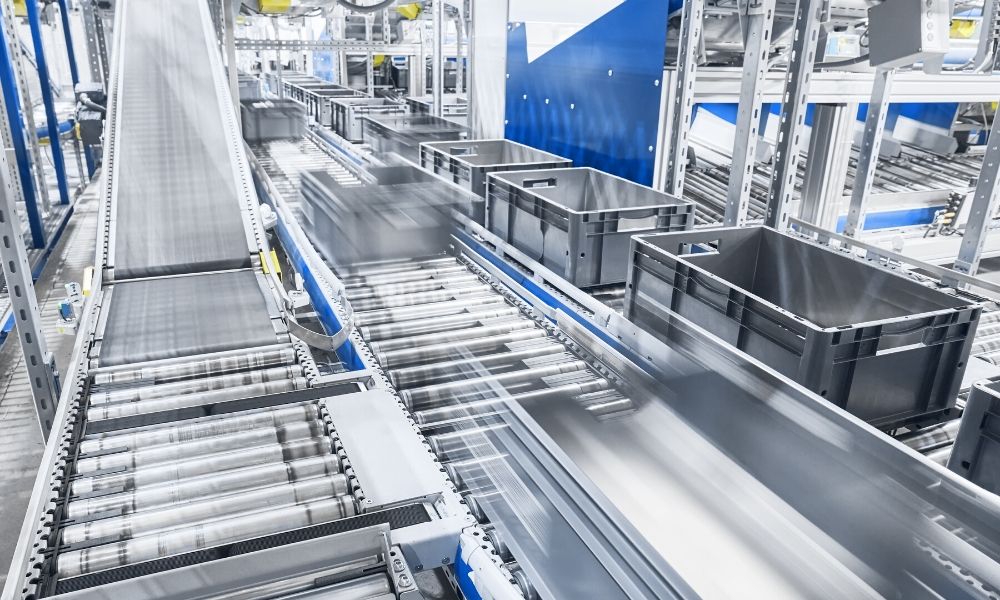
Understanding the Role of a Conveying Device in Industrial Operations
Moving materials efficiently is a fundamental requirement in manufacturing, processing, warehousing, and distribution. Raw materials must reach production equipment, work-in-progress items need to move between operations, and finished products must be delivered to storage or dispatch areas. Without an organized transfer method, these activities can consume labor, interrupt production, and create unnecessary movement around a facility. Conveying technology provides a practical way to organize the flow of materials.
A Conveying Device is a mechanical system or component used to move materials from one location to another. It may operate through belts, rollers, chains, screws, buckets, pneumatic airflow, or other transport methods. The appropriate design depends on the physical properties of the material, the distance it must travel, the required capacity, and the operating environment. Understanding these factors helps businesses select equipment that fits their processes.
1. Connects Different Stages of Production
Industrial processes rarely take place in one location. Materials may pass through preparation, processing, inspection, assembly, and packaging before becoming finished goods.
A conveying device connects these stages by providing a defined transfer route. For example, a belt system may move components from a cutting station to an assembly area, while a screw conveyor may transfer powders between storage and mixing equipment.
When transfer points are planned carefully, production teams can reduce unnecessary handling and coordinate activities more consistently.
2. Handles Different Types of Materials
The design of conveying equipment must reflect the material being transported. Individual products, packaged goods, bulk solids, and liquids have different handling requirements.
- Packaged products: Belts and roller systems can transport cartons, containers, and other unit loads.
- Bulk solids: Screw conveyors, belt conveyors, and bucket elevators can handle suitable powders, granules, and larger particles.
- Heavy components: Chain or specialized roller systems may be suitable for industrial parts and assemblies.
- Fine powders: Enclosed or pneumatic conveying arrangements may be considered where containment and transfer conditions require them.
Material weight, particle size, moisture, abrasiveness, temperature, and fragility all influence equipment selection.
3. Supports More Consistent Material Flow
Manual movement can vary according to staffing levels, workload, and distance. A properly configured conveyor provides a more predictable transfer process.
This consistency can help production planners coordinate the rate at which materials reach workstations. It can also reduce delays caused by repeated trips between departments.
However, a conveying system should not simply operate at the highest possible speed. Its capacity must match the receiving process. If one machine cannot process materials as quickly as the conveyor delivers them, accumulation and blockages may occur.
4. Reduces Certain Manual Handling Tasks
Moving heavy or repetitive loads by hand can place physical demands on employees. Mechanical conveying can take over some routine transport activities, allowing workers to focus on inspection, assembly, machine operation, and process control.
The benefits depend on the application and the way the system is integrated into the workplace. Employees may still need to load, position, sort, or remove materials.
Good workstation design remains important. Loading heights, access routes, emergency stops, and maintenance positions should all be considered.
5. Helps Integrate Industrial Automation
Modern conveying devices can work with sensors, programmable controllers, barcode readers, robotic equipment, and automated storage systems.
Sensors may detect whether a product is present or whether a receiving station is available. Control logic can then start, stop, divert, or adjust the movement of materials.
These features help equipment operate as part of a coordinated process rather than as an isolated machine. Successful integration requires compatible controls, reliable communication, and clearly defined responses to faults.
6. Improves Use of Available Space
A planned conveying route can reduce repeated movement across busy floors. Depending on the application, equipment may be installed horizontally, at an incline, or on elevated structures.
Vertical and overhead arrangements can sometimes help facilities use floor space more effectively. However, they also introduce structural, access, clearance, and maintenance considerations.
A layout assessment should account for existing machinery, walkways, storage areas, emergency exits, and future production changes.
7. Safety Must Be Part of the Design
Moving belts, chains, rollers, and drive components can create pinch and entanglement hazards. Suitable guarding, emergency-stop devices, warning signs, and operating procedures are essential.
Employees should receive training on safe operation and should never attempt to clear jams while machinery is moving. Maintenance work requires appropriate isolation and verification procedures.
The equipment should also be inspected regularly to identify damaged guards, worn components, loose fasteners, and control faults.
8. Maintenance Supports Long-Term Reliability
Conveying devices contain mechanical and electrical components that require attention. Inspection schedules should reflect the equipment type, operating hours, material characteristics, and working environment.
Common checks include belt condition, chain tension, roller movement, bearing wear, drive performance, lubrication, sensors, and electrical connections.
Keeping maintenance records can help identify recurring problems and plan replacement work before an unexpected failure interrupts production.
Conclusion
A conveying device plays an important role in moving materials between industrial processes. By selecting a suitable transport method and integrating it with production requirements, businesses can improve material flow, reduce some manual handling tasks, and support automation. Careful attention to capacity, layout, safety, and maintenance is essential for dependable operation.