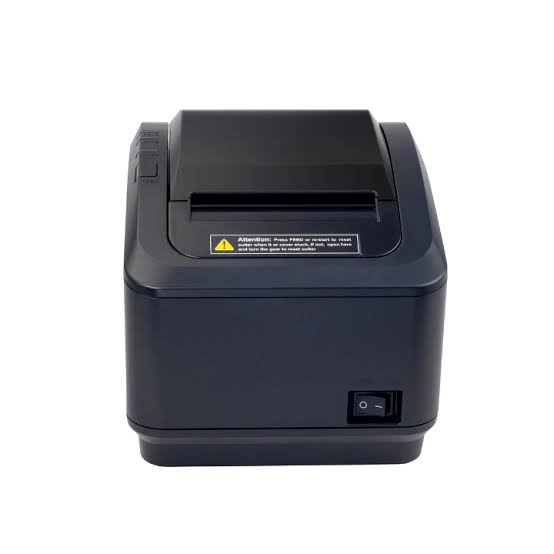
Different Types of Receipt Printers and How to Choose the Right One
Receipt printers are essential tools for businesses that handle daily transactions, process customer payments, and generate purchase records. From retail stores and supermarkets to restaurants, hotels, and healthcare facilities, these devices help businesses print receipts quickly and maintain organized transaction information. However, not all receipt printers use the same technology or offer identical features. Understanding the available types can help businesses select equipment that matches their operational requirements.
Choosing the right Receipt Printer involves considering several factors, including printing technology, speed, connectivity, paper compatibility, durability, and maintenance needs. This guide explores the main types of receipt printers and explains how to identify the most suitable option for different business environments.
Understanding Receipt Printers
A receipt printer is a specialized printing device designed to produce transaction slips, payment confirmations, bills, and other short documents. It generally connects to a point-of-sale (POS) terminal, computer, cash register, or mobile device.
When a transaction is completed, the POS software sends relevant information to the printer. The device processes the data and converts it into a physical receipt containing details such as product names, prices, taxes, discounts, and payment methods.
Modern receipt printers are designed for frequent use, compact installation, and reliable performance in commercial environments.
Different Types of Receipt Printers
Receipt printers are available in several technologies. Each type has specific operating characteristics, advantages, and limitations.
1. Thermal Receipt Printers
Thermal receipt printers are widely used in modern retail and hospitality businesses. They use a heated printhead to create text and graphics on specially coated thermal paper.
Unlike conventional printers, they do not require ink cartridges or toner. This reduces consumable requirements and simplifies routine maintenance.
Advantages:
- Fast printing performance.
- Quiet operation.
- Compact and convenient designs.
- No traditional ink or toner required.
- Suitable for high-volume transactions.
Limitations:
Thermal receipts can fade over time when exposed to excessive heat, sunlight, or certain environmental conditions. Businesses should also consider the ongoing cost and availability of thermal paper.
These printers are suitable for supermarkets, retail counters, cafes, restaurants, and convenience stores.
2. Impact or Dot Matrix Receipt Printers
Impact receipt printers create characters by striking an ink ribbon against paper using small mechanical pins. This technology is particularly useful when businesses need multiple copies of a document.
For example, a restaurant may require one printed order for the kitchen and another for recordkeeping.
Advantages:
- Supports multi-part paper.
- Can produce duplicate or triplicate copies.
- Suitable for certain demanding environments.
- Does not rely on heat-sensitive paper.
Limitations:
Impact printers generally operate more slowly and produce more noise than thermal models. Their mechanical components and ink ribbons also require periodic maintenance.
They are commonly used in restaurant kitchens, hospitality operations, and applications requiring duplicate receipts.
3. Inkjet Receipt Printers
Inkjet receipt printers use small droplets of liquid ink to create text, graphics, and sometimes colored content on paper.
Although they are less common in standard POS environments, they can be useful when businesses require customized visual elements or detailed printing.
Advantages:
- Can produce detailed graphics.
- Supports colored printing in suitable models.
- Offers flexibility for customized documents.
Limitations:
Inkjet models require ink replacement and regular maintenance. Their operating costs may also be higher for businesses that print large numbers of receipts.
Important Factors to Consider When Choosing a Receipt Printer
Selecting the right printer requires evaluating how the equipment will be used and what features are necessary for daily operations.
1. Printing Volume and Speed
Consider how many receipts your business generates each day. A busy supermarket or restaurant may require a high-speed thermal printer, while a small retail shop may operate effectively with a standard model.
The printer’s speed should match the expected transaction volume to prevent unnecessary checkout delays.
2. Connectivity Options
Modern receipt printers offer several connection methods, including:
- USB: Suitable for direct connections with computers and POS terminals.
- Ethernet: Useful for network-based printing and shared business environments.
- Bluetooth: Supports wireless connections with compatible mobile devices.
- Wi-Fi: Provides flexibility for wireless POS installations.
Before purchasing, confirm that the selected connection method is supported by your existing hardware and software.
3. Paper Width and Compatibility
Common receipt printer widths include 58 mm and 80 mm. Smaller paper widths are generally suitable for simple transaction slips, while wider paper provides more space for detailed product information, logos, and promotional messages.
Businesses should also check compatible paper roll sizes and loading requirements.
4. Print Quality and Resolution
Clear printing is important for producing readable transaction details, logos, and barcodes. Businesses that include QR codes or barcode information should ensure the selected printer provides sufficient resolution for reliable scanning.
5. Durability and Maintenance
Commercial printers often operate throughout the day, making durability an important purchasing consideration.
Check the expected printhead and cutter lifespan, product warranty, availability of replacement parts, and ease of routine maintenance.
6. Software Compatibility
A printer should integrate smoothly with the business’s POS software and operating system. Checking supported printer languages, drivers, and software requirements can help prevent installation difficulties.
Choosing the Right Printer for Different Businesses
Different industries have different printing requirements.
Retail stores: Thermal receipt printers are generally a practical choice because they provide fast, quiet printing for frequent customer transactions.
Restaurants and cafes: Thermal printers work well for customer bills and front-counter receipts. Impact printers may be preferable for kitchen order tickets when duplicate copies are required.
Hotels: Compact thermal models can support reception counters, restaurants, and other payment stations.
Pharmacies: Reliable thermal printers can generate clear purchase records and payment confirmations.
Transportation services: Compact printers with suitable connectivity are useful for issuing tickets and payment receipts in space-limited environments.
Understanding these differences helps businesses select equipment based on actual operating conditions rather than focusing only on price.
Common Mistakes to Avoid When Buying a Receipt Printer
Businesses sometimes select printers without considering their long-term requirements. Several mistakes can lead to additional expenses and operational problems.
- Choosing a printer that cannot handle the expected daily workload.
- Ignoring POS software and operating system compatibility.
- Selecting an unsuitable paper width.
- Overlooking replacement parts and maintenance costs.
- Purchasing wireless equipment without checking connection stability.
- Focusing only on the initial purchase price instead of overall operating costs.
Evaluating these factors before purchasing can improve equipment reliability and reduce unnecessary interruptions.
Conclusion
Different types of receipt printers serve different business requirements. Thermal models are popular for their speed, quiet operation, and convenient maintenance, while impact printers are useful for applications requiring duplicate copies. Inkjet printers offer additional flexibility for specialized printing needs.
The best choice depends on transaction volume, printing technology, connectivity, paper compatibility, software integration, and operating conditions. By carefully evaluating these factors, businesses can invest in a receipt printer that supports efficient transactions, reliable documentation, and long-term operational performance.