
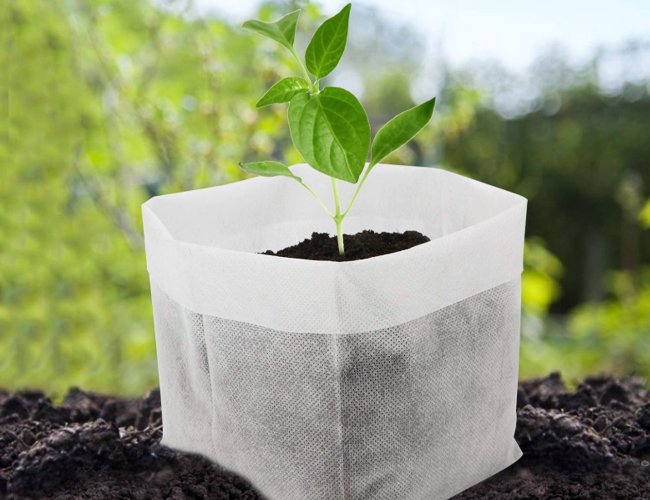
PLA Nonwoven Fabric Production Process and Performance Characteristics
The increasing demand for sustainable and biodegradable materials has encouraged manufacturers to explore alternatives to conventional petroleum-based textiles. Among the most widely adopted eco-friendly materials is PLA nonwoven fabric, which combines renewable raw materials with versatile industrial performance.
Used across healthcare, packaging, agriculture, filtration, and textile industries, PLA Nonwoven Fabric has gained attention for its biodegradability, lightweight structure, and compatibility with modern manufacturing processes. Understanding how this material is produced and how it performs helps explain its growing importance in sustainable manufacturing.
What Is PLA Nonwoven Fabric?
PLA stands for polylactic acid, a biodegradable polymer made from renewable agricultural resources such as corn starch, sugarcane, and cassava. Through fermentation and polymerization, plant sugars are transformed into PLA resin, which can then be processed into fibers.
Nonwoven fabric refers to engineered textile materials produced without weaving or knitting. Instead, fibers are bonded together using thermal, chemical, or mechanical methods. PLA fibers can be converted into nonwoven materials using standard industrial manufacturing technologies.
The result is a fabric that combines environmental sustainability with practical industrial functionality.
Raw Materials Used in PLA Production
The production of PLA begins with renewable plant-based feedstocks rich in natural sugars and starches.
Common raw materials include:
- Corn starch
- Sugarcane
- Cassava
- Sugar beet
These agricultural materials are processed to extract fermentable sugars, which serve as the foundation for lactic acid production.
Compared to petroleum-based polymers, the use of renewable resources helps reduce dependence on fossil fuels and supports more sustainable manufacturing systems.
PLA Polymer Manufacturing Process
The creation of PLA polymer involves several key stages before nonwoven fabric production begins.
Fermentation Process
Plant-derived sugars undergo microbial fermentation to produce lactic acid. This step is essential because lactic acid acts as the primary building block for PLA polymer formation.
Polymerization
The lactic acid is then chemically processed through polymerization to create polylactic acid resin. This resin forms the base material used to manufacture PLA fibers.
Pellet Formation
After polymerization, the PLA resin is converted into pellets for easier transportation and industrial processing. These pellets are later melted and spun into fibers during textile production.
PLA Nonwoven Fabric Production Methods
Several manufacturing technologies are used to produce PLA nonwoven fabrics, depending on the intended application and performance requirements.
Spunbond Technology
Spunbond is one of the most common methods used for PLA nonwoven production.
In this process:
- PLA pellets are melted at controlled temperatures.
- The molten polymer is extruded through spinnerets to form continuous filaments.
- The fibers are stretched and cooled.
- The fibers are bonded together thermally to create fabric sheets.
Spunbond PLA nonwoven fabrics are lightweight, strong, and widely used in medical, hygiene, and packaging products.
Meltblown Process
The meltblown method produces ultra-fine fibers by using high-speed hot air to stretch molten PLA polymer streams.
This process creates fabrics with:
- Fine filtration capability
- Soft texture
- High surface area
- Good barrier performance
Meltblown PLA materials are commonly used in filtration systems and medical protective products.
Needle-Punch Technology
Needle-punch production mechanically interlocks PLA fibers using barbed needles. This method creates thicker and more durable nonwoven fabrics suitable for industrial and agricultural applications.
Key Performance Characteristics of PLA Nonwoven Fabric
PLA nonwoven materials offer several functional advantages that support their use across multiple industries.
Biodegradability
One of the most important characteristics of PLA nonwoven fabric is its biodegradability under industrial composting conditions. Unlike many synthetic materials, PLA can break down into water, carbon dioxide, and organic matter.
This feature supports waste reduction and environmental sustainability goals.
Lightweight Structure
PLA nonwoven fabrics are lightweight, making them suitable for disposable and portable products. Their low density helps reduce transportation and packaging costs.
Breathability
The fiber structure of PLA nonwoven materials allows good airflow and moisture vapor transmission. This makes them comfortable for applications involving skin contact, such as medical and hygiene products.
Soft Texture
PLA fibers provide a soft and smooth surface feel, improving comfort in products like wipes, surgical gowns, and sanitary materials.
Mechanical Strength
Despite being biodegradable, PLA nonwoven fabrics still offer reliable tensile strength and dimensional stability for many commercial applications.
Thermal Processability
PLA fibers can be processed using standard nonwoven manufacturing equipment, making industrial adoption more practical and cost-efficient.
Common Applications Based on Performance
The performance characteristics of PLA nonwoven fabrics make them suitable for numerous industries.
Medical and Hygiene Products
Applications include:
- Surgical masks
- Disposable gowns
- Wet wipes
- Sanitary products
- Medical drapes
Packaging Industry
PLA nonwoven materials are increasingly used in:
- Eco-friendly shopping bags
- Compostable packaging
- Protective wrapping materials
Agriculture
Biodegradable crop covers and mulch fabrics help reduce agricultural waste while supporting plant protection and moisture control.
Filtration Systems
Fine-fiber PLA nonwoven materials are suitable for air and liquid filtration applications because of their lightweight structure and filtration efficiency.
Challenges in PLA Nonwoven Manufacturing
Although PLA nonwoven fabric offers many benefits, certain limitations still exist.
Heat Resistance
PLA generally has lower heat resistance than some petroleum-based polymers, which may limit use in high-temperature environments.
Composting Requirements
Efficient biodegradation usually requires industrial composting facilities with controlled temperature and humidity conditions.
Production Costs
PLA materials can sometimes be more expensive than conventional synthetic alternatives, though technological improvements are gradually reducing costs.
Future Outlook for PLA Nonwoven Fabric
As sustainability regulations tighten and environmental awareness grows, demand for biodegradable nonwoven materials is expected to increase significantly.
Research and development efforts are improving the thermal stability, durability, and production efficiency of PLA fibers. These advancements will likely expand the use of PLA nonwoven fabrics in both disposable and durable applications.
Conclusion
PLA nonwoven fabric combines renewable raw materials, modern manufacturing technologies, and environmentally responsible performance characteristics. Its lightweight structure, biodegradability, breathability, and versatility make it a valuable alternative to traditional petroleum-based nonwoven materials.
As industries continue prioritizing sustainability and waste reduction, PLA nonwoven fabric is expected to play an increasingly important role in the future of industrial manufacturing and eco-friendly product development.


