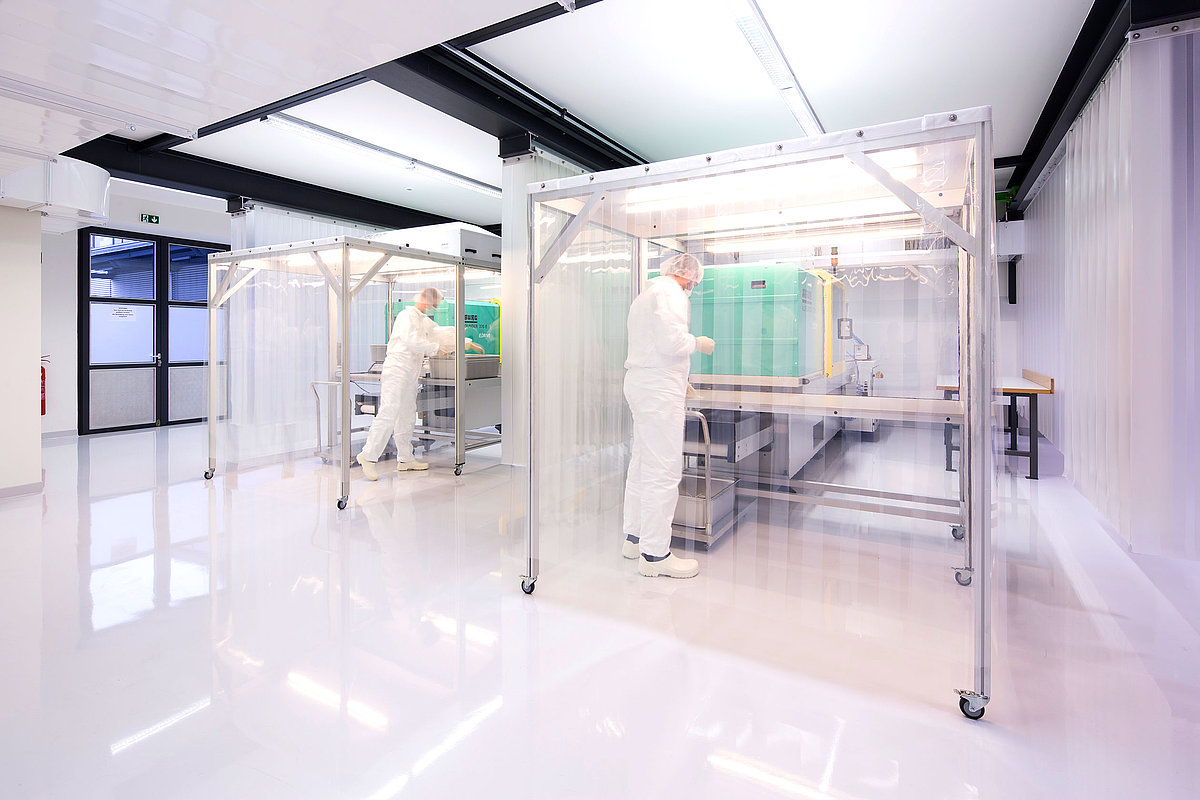
ISO 8 Clean Room Particle Count Limits Explained
ISO 8 cleanrooms are controlled environments that maintain moderate levels of airborne particles, providing an essential balance between contamination control and operational flexibility. These cleanrooms are widely used in industries such as pharmaceuticals, medical devices, electronics, food processing, and cosmetics, where maintaining air cleanliness is critical but ultra-low particle levels are not required. Understanding particle count limits and how they are measured is essential for compliance, operational efficiency, and product quality.
ISO 8 cleanrooms are classified according to ISO 14644-1 standards, which define acceptable particle counts for different cleanroom classes based on particle size. These standards are internationally recognized and ensure that cleanroom environments meet consistent contamination control criteria. Organizations implementing ISO 8 Clean Room Requirements must adhere to particle count limits to maintain ISO classification, meet regulatory requirements, and protect sensitive processes. Proper monitoring and validation of particle levels help identify potential contamination sources and support ongoing operational control.
Particle Size and Limits
ISO 8 cleanrooms allow higher particle counts compared to stricter classifications such as ISO 5 or ISO 6. The standard specifies maximum allowable concentrations for airborne particles of different sizes, typically measured in particles per cubic meter of air. For example, ISO 8 permits up to 3,520,000 particles per cubic meter for particles ≥0.5 micrometers and up to 29,300 particles per cubic meter for particles ≥5 micrometers. These limits are sufficient to control contamination for many non-critical manufacturing processes while remaining manageable from a maintenance and operational perspective.
The classification is based on the principle that airborne particle concentration directly impacts product quality and process reliability. Controlling particle levels ensures that products remain uncontaminated, machinery operates efficiently, and regulatory compliance is maintained. Understanding the specific particle limits for ISO 8 allows organizations to design appropriate airflow, filtration, and monitoring systems tailored to their processes.
Measurement Methods
Particle count measurements are performed using calibrated particle counters, which draw a known volume of air and detect particles of specific sizes. Measurements can be taken under static conditions, when the cleanroom is empty, or dynamic conditions, when personnel and equipment are operating. Both types of measurements are necessary to assess the cleanroom’s performance and verify that it meets ISO 8 requirements under real-world conditions.
Sampling locations are strategically selected to cover critical areas where contamination could impact processes, such as workstations, equipment surfaces, and entry points. Proper placement of particle counters ensures representative monitoring and reduces the risk of unrecognized contamination hotspots. Routine particle monitoring is a cornerstone of ISO 8 cleanroom maintenance and helps detect trends that may require corrective actions.
Factors Affecting Particle Counts
Several factors influence particle levels in ISO 8 cleanrooms. Personnel are a major source of particles, shedding skin cells, hair, and fibers. Equipment, tools, and materials can also introduce contamination if not properly cleaned or handled. Airflow patterns, ventilation systems, and pressure differentials significantly affect the distribution and removal of particles. Even cleaning procedures, if not performed correctly, can temporarily increase particle levels.
Effective cleanroom design, validated cleaning protocols, controlled personnel movement, and properly maintained HVAC systems are critical to keeping particle counts within ISO 8 limits. Addressing each factor helps maintain a stable environment and ensures that the cleanroom supports reliable and compliant operations.
Compliance and Monitoring
Maintaining compliance with ISO 8 particle count limits requires regular monitoring and documentation. Particle counts must be recorded, analyzed, and compared with ISO 14644-1 standards to confirm that the cleanroom meets its classification. Deviations must be investigated, and corrective actions implemented promptly to prevent contamination events.
Environmental monitoring should also include temperature, humidity, and pressure differentials, as these parameters influence particle movement and contamination risk. Comprehensive monitoring and documentation support regulatory audits, process validation, and continuous improvement in cleanroom operations.
Operational Strategies to Maintain Particle Limits
To consistently maintain ISO 8 particle limits, organizations can implement several operational strategies. Personnel training is crucial, emphasizing proper gowning, hygiene, and movement within the cleanroom. Routine maintenance and cleaning schedules prevent particle accumulation on surfaces and equipment. HVAC systems must be regularly serviced to ensure filtration and airflow performance. Using proper material transfer procedures and airlocks minimizes contamination from external sources.
Periodic revalidation of particle counts ensures that the cleanroom continues to operate within specified limits even after process changes, equipment upgrades, or increased personnel activity. These strategies collectively maintain ISO 8 compliance and support operational efficiency.
Conclusion
ISO 8 cleanroom particle count limits are a critical aspect of controlled environment management, balancing contamination control with operational flexibility. By understanding particle size specifications, measurement methods, influencing factors, and operational strategies, organizations can maintain compliance, protect product quality, and ensure regulatory adherence. Effective monitoring, validated cleaning, personnel control, and proper HVAC management are essential for sustaining ISO 8 standards and supporting reliable operations across multiple industries.