
Understanding Overjet: Causes, Symptoms, and Effective Treatment Options
An overjet is one of the most common dental alignment issues affecting both children and adults. It occurs when the upper front teeth extend significantly beyond the lower front teeth in a horizontal direction. While mild cases may seem like a simple cosmetic concern, more pronounced overjets can lead to functional problems, discomfort, and long-term oral health issues. Understanding what causes an overjet, the symptoms to look out for, and the available treatment options can help individuals make informed decisions about their dental health.
In dentistry, the term overjet refers specifically to the outward protrusion of the upper front teeth. It is different from an overbite, which measures the vertical overlap of the teeth. Overjets may develop for various reasons, including genetics, childhood habits, or skeletal irregularities. Regardless of the cause, early detection and treatment greatly improve outcomes and reduce the risk of future complications.
What Causes an Overjet?
Overjets typically stem from one or more underlying factors. Genetics play a major role, as jaw structure and tooth alignment often run in families. A child may inherit a smaller lower jaw or a larger upper jaw, resulting in misaligned teeth.
Childhood habits are another significant contributor. Thumb sucking, prolonged pacifier use, or tongue thrusting exert pressure on the upper teeth, gradually pushing them forward. Mouth breathing due to allergies or enlarged tonsils can also alter jaw development, creating conditions that lead to overjet formation.
In some cases, missing teeth or improper spacing can cause other teeth to shift out of position. Trauma to the jaw during childhood, particularly injuries that affect growth plates, may also disturb normal dental alignment and contribute to the development of an overjet.
Common Symptoms of Overjet
While an overjet is often visible when a person smiles or speaks, the condition can also present with several functional symptoms. One of the most common is difficulty biting or chewing food properly, especially in severe cases where the upper teeth extend far outward.
Speech difficulties may arise when the teeth do not align correctly, making it hard to pronounce certain sounds. Individuals with a significant overjet may also experience lip discomfort, as the lips may not fully close over protruding teeth. This can lead to chronic dry lips, increased mouth breathing, and potential irritation.
Another concern is the higher risk of dental trauma. Protruding front teeth are more exposed and vulnerable to chipping or breaking, particularly in active children or during sports activities. Jaw discomfort or temporomandibular joint (TMJ) stress may also occur due to misalignment.
Potential Long-Term Complications
If left untreated, an overjet can cause long-term dental complications. Misalignment may lead to uneven wear on the teeth, contributing to enamel erosion and increased sensitivity. Gum health may also be compromised, as cleaning protruding teeth effectively can be more challenging.
In severe cases, skeletal issues may worsen over time, especially if the condition originates from bone structure rather than tooth position. These complications can affect facial harmony, self-confidence, and overall oral health.
Effective Treatment Options for Overjet
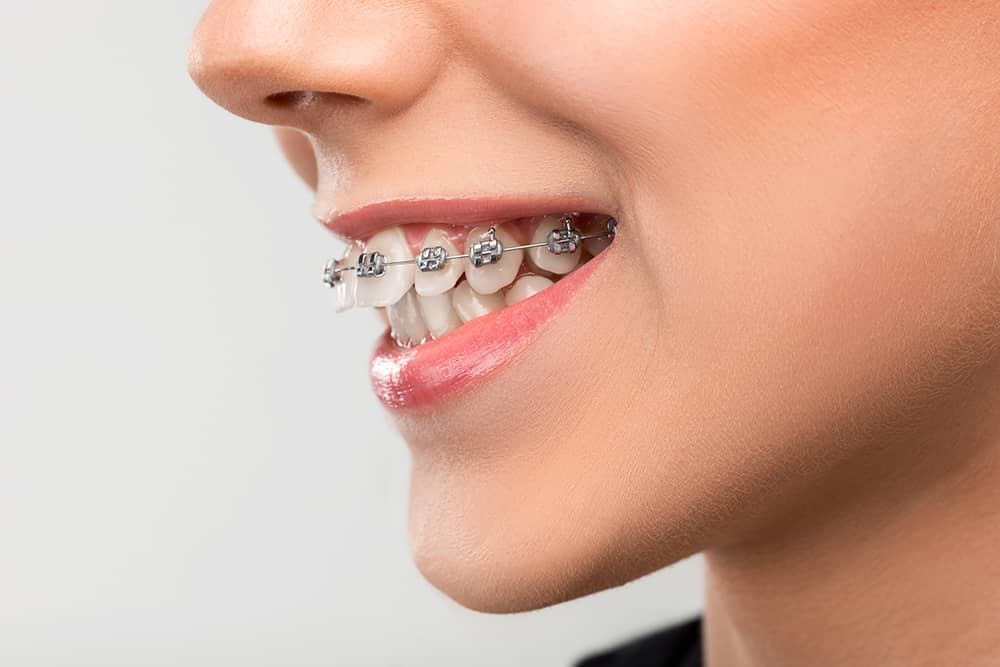
The appropriate treatment for an overjet depends on its severity and underlying cause. Orthodontic intervention is the most common and effective approach. Braces are widely used to gradually realign teeth, correct spacing, and bring the upper front teeth into proper position. Modern orthodontics also offers clear aligners, which can be a discreet alternative for mild to moderate cases.
If the overjet results from jaw structure differences, growth modification appliances may be recommended for children and teenagers. These devices guide jaw development during periods of rapid growth, helping achieve better alignment before adulthood. Early orthodontic assessment can greatly improve results in such cases.
In adults with severe skeletal overjets, corrective jaw surgery may sometimes be necessary. Known as orthognathic surgery, this procedure repositions the jaws to achieve proper alignment. While more invasive, it can offer life-changing functional and aesthetic improvements.
For those with habit-related causes, addressing the behavior is essential. For example, therapy to correct tongue thrusting or interventions to stop thumb sucking can prevent further progression, especially when combined with orthodontic treatment.
When to Seek Professional Help
Anyone noticing protrusion of the upper teeth, difficulty biting, or cosmetic concerns should consider a dental evaluation. Early diagnosis leads to more effective and less invasive treatment. Children, in particular, benefit from orthodontic assessments by age seven, allowing specialists to monitor jaw development and intervene when necessary.
Conclusion
An overjet is more than just a cosmetic dental issue. It can affect a person’s bite, speech, comfort, and long-term oral health. Understanding its causes, recognizing symptoms early, and exploring suitable treatment options can help individuals make confident decisions about improving their smile and overall dental function. With timely intervention and expert care, an overjet can be effectively corrected, leading to improved oral health and enhanced quality of life.


